



From the Field
Notes from your regional managers regarding drought concerns and plans for early weaning.
August 20, 2026
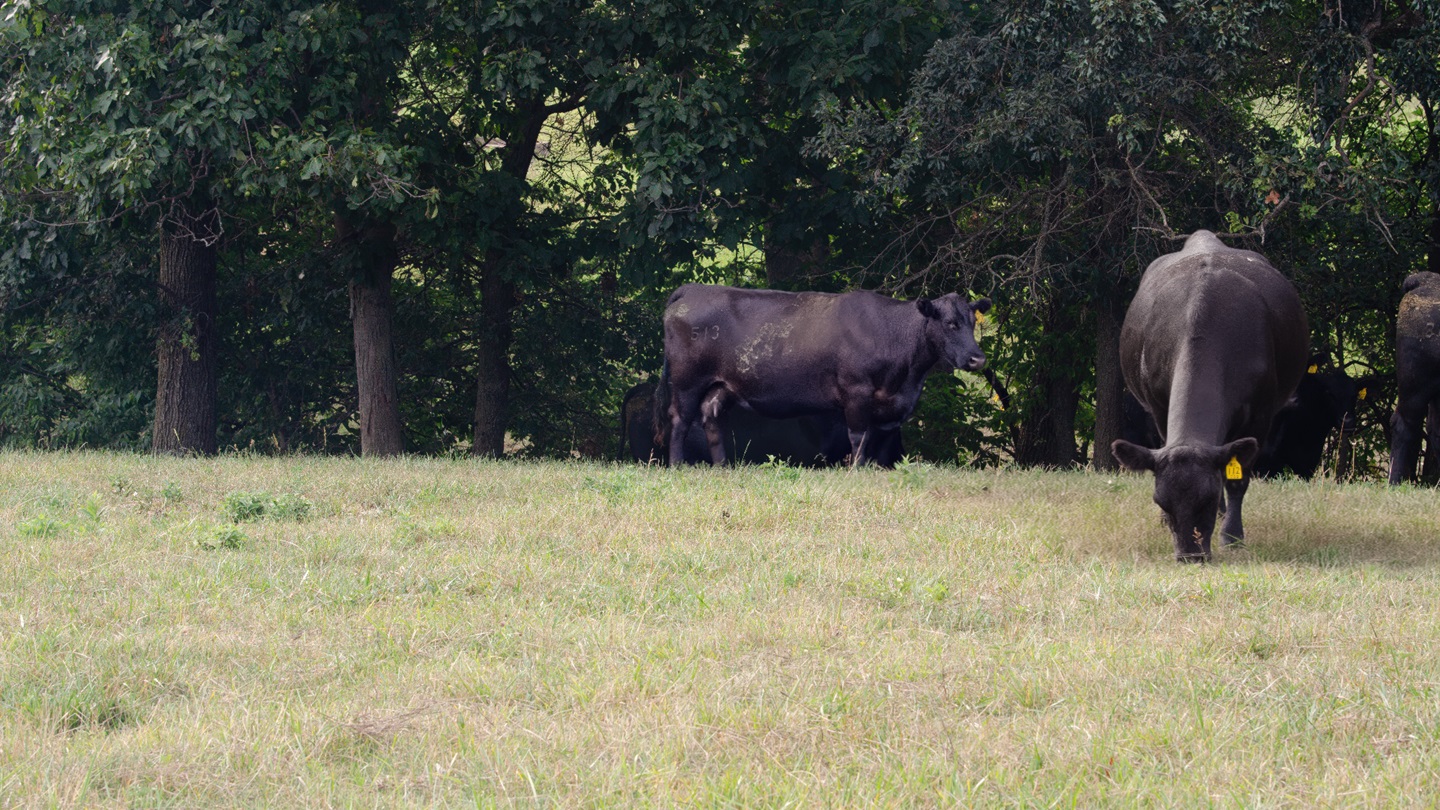


From the West Coast, across high-desert country, through the Midwest clear to New England, producers are feeling the pressure associated with watching forages become crispy and wondering when Mother Nature will deign to send even a shower their way.
In this edition of “From the Field,” American Angus Association regional managers Landon Andrews, Kurt Kangas and Andrew Swanson share what their regions look like in terms of moisture, how producers are choosing to manage cow-calf pairs with decreased feedstuffs and the tactics that should be put in place to ensure the success of early-weaned calves.
Rainfall welcome
No matter the state or region, when talking to cattlemen across the United States, it seems the 2026 drought has affected a large portion of producers.
Andrew Swanson, regional manager (RM) for Minnesota, North Dakota and South Dakota, says that while certain areas of Region 6 are in more dire need of rain than others, the entire region is below average for moisture at this point in the year.
“Just talking to producers across the region, they’re definitely feeling like the pastures and summer grass situation is short of normal years,” Swanson says, explaining producers are exploring additional options for feedstuffs. “Prices for alfalfa hay and grass hay are much higher than the last few years. One positive in Minnesota is that a few counties opened up for emergency haying and grazing of [Conservation Reserve Program (CRP)] acres. People locally are really happy to hear that because it gives them an opportunity to make some hay that they weren’t expecting.”
In Montana and Wyoming, the situation doesn’t look much different according to RM Kurt Kangas. Higher than normal temperatures and a lack of rainfall have producers in much of Region 10 wondering if this winter will bring snows needed to replenish moisture.
“It’s been a dry summer for the region, which is really concerning coming on the backside of a really dry winter for snowpack and moderate winter temperatures. It’s alarming. If we don’t get snow this year, there’s going to be some big reservoirs that are going to start to struggle next year,” Kangas says, noting that water from the melting snowpack supports irrigation and forage production. “There are producers who are already into their [banked] winter forage, which is early. Real early.”
Alaska, while also part of Region 10, is a bit of an outlier. As of Aug. 13, the U.S. Drought Monitor classified 93% of Alaska as without drought conditions.
Drought concerns are much the same from Landon Andrews, RM for Arizona, California, Nevada and Utah.
“As of June 1, Utah had received something like 22% of our average rainfall. We’re in a really bad drought,” Andrews shares, bringing attention to the fact that Region 11 producers are also battling the effects of fires in both Utah and Nevada. “Everybody is feeling the heat and the reality that they’re probably going to be feeding cows by Thanksgiving.”
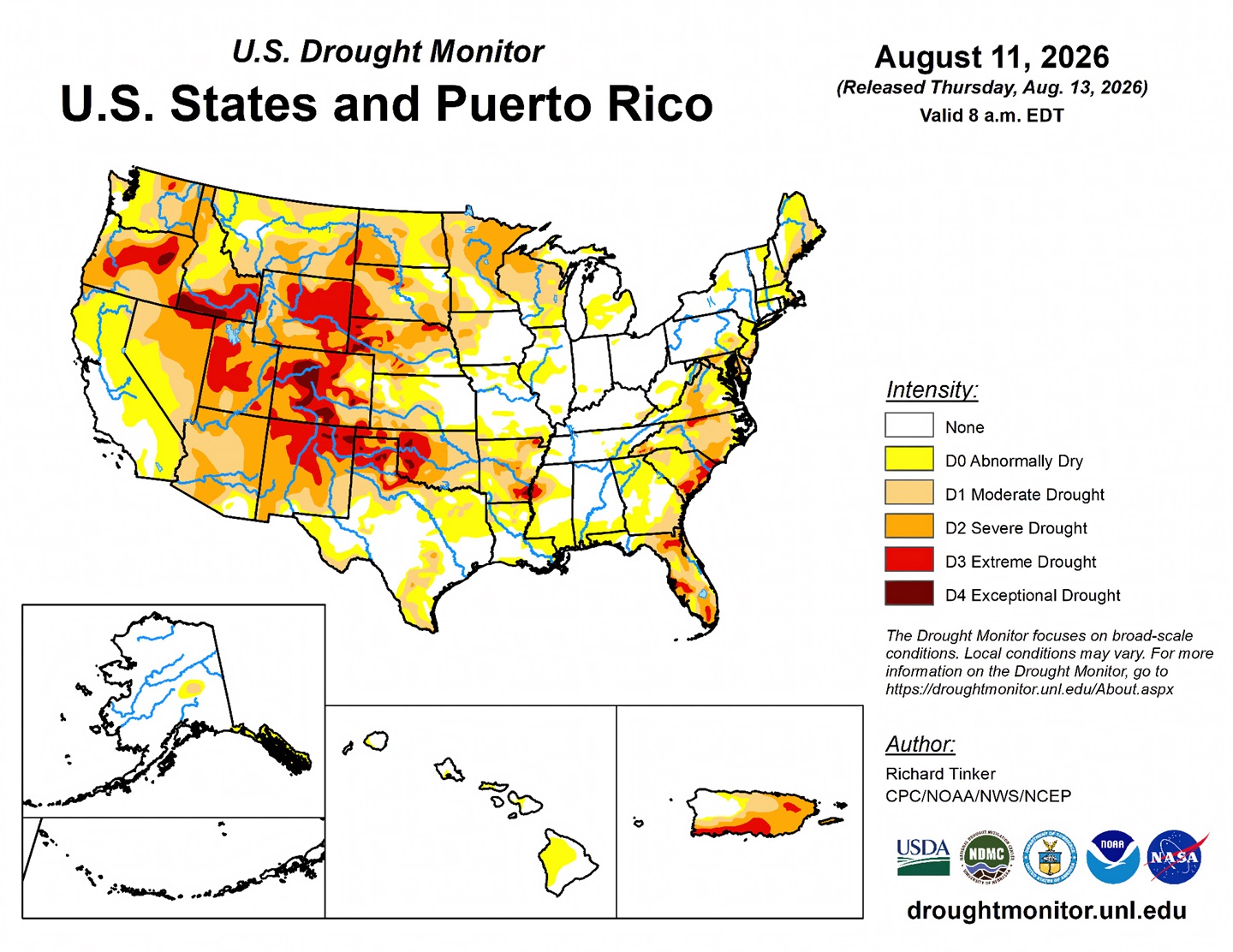

Looking for more information on where the United States stands as far as drought? Check out the U.S. Drought Monitor.
Early weaning secrets for success
With the current state of forages, cow-calf producers may consider options like additional supplementation or early weaning to keep their cow herd and grazing lands in good condition.
Swanson says that while producers in Region 6 are utilizing both options, he’s heard of more decisions to wean early. Whether that means selling calves right off the cow or backgrounding them for a bit depends on the producer.
“There’s still opportunity to sell calves at a profitable level. I think you just need to be proactive, work with your sale barn, work with your video rep, whoever you sell through. Just communicate that [decision] proactively and make a solid plan about getting those calves to town,” Swanson says. “Make sure the sale barn owner knows, and that the potential buyers know you’re going to sell off the cow this year rather than at a later date.”
Producers in his region are also making strategic decisions to allow them to retain existing females. Swanson thought he would see more cows for sale or more herd dispersions because of market opportunity, but producers seem to be making moves to hold on to their cow herd. While numbers may not be expanding terribly hard within the region, he says, the attempt is there.
To wean early is a decision being made throughout Region 10, as well, Kangas says. Producers who traditionally haven’t weaned calves are pulling calves between 320 and 340 pounds (lb.) out of necessity and making the decision to background those calves in a feedlot.
“It’s going to be interesting as these deliveries start in September to see where these weights are falling. Are these calves going to come in lighter? Sometimes people think they’re running out of grass, but because it’s dry, that grass is pretty hard and it actually works. The calves still gain,” Kangas says. “Right now, yearlings are getting delivered and they’re almost 100 pounds heavier than they were listed in the [sale book].”
All that said, managing early-weaned calves requires finesse and full transparency when communicating with sale representatives and buyers alike.
“If you’re going to have to pull those calves, health is going to be paramount. Know that if you haven’t weaned calves before, it can be taxing, because you stand the sickness and the dust that is probably the Number 1 contributor to upper respiratory issues,” Kangas notes, urging producers to consider their costs. “You might find it better to go ahead and send [those calves] to the markets immediately off the cow … but, make sure they’ve got their shots in them. Make sure they’re healthy.”
With potentially lighter calves being marketed, Andrews recommends producers take every opportunity to make their calves stand out.
“I’ve made the comment that the cattle business is really good, so some of these programs may be less enticing. When [the market] takes a hit or drops a little bit, I think that’s when producers focus even more on capturing that value,” says Andrews. “Commercial producers need to sign up for these programs like AngusLink®, and they need to take every opportunity they can to get all the added value they can right now.”
For more information on how AngusLink programs can help you capture the value of your investment in registered Angus genetics, visit www.angus.org/anguslink.
Editor’s note: “From the Field” is a regular Angus Beef Bulletin EXTRA column featuring advice, industry news and Angus updates from regional managers of the American Angus Association. For information on how to contact your regional manager, click here.
Angus Beef Bulletin EXTRA, Vol. 18, No. 8-B
Topics: Feedstuffs , Management , Marketing , Nutrition , Pasture and Forage
Publication: Angus Beef Bulletin
Related Content


Current Angus Beef Bulletin
Our November issue focuses on the females of the herd and the records that validate them.