




Watch for Prussic Acid Poisoning
Rainfall after drought can trigger new growth in forage species that could build up prussic acid. Here’s what to look for and what to do in case of poisoning.
October 21, 2026
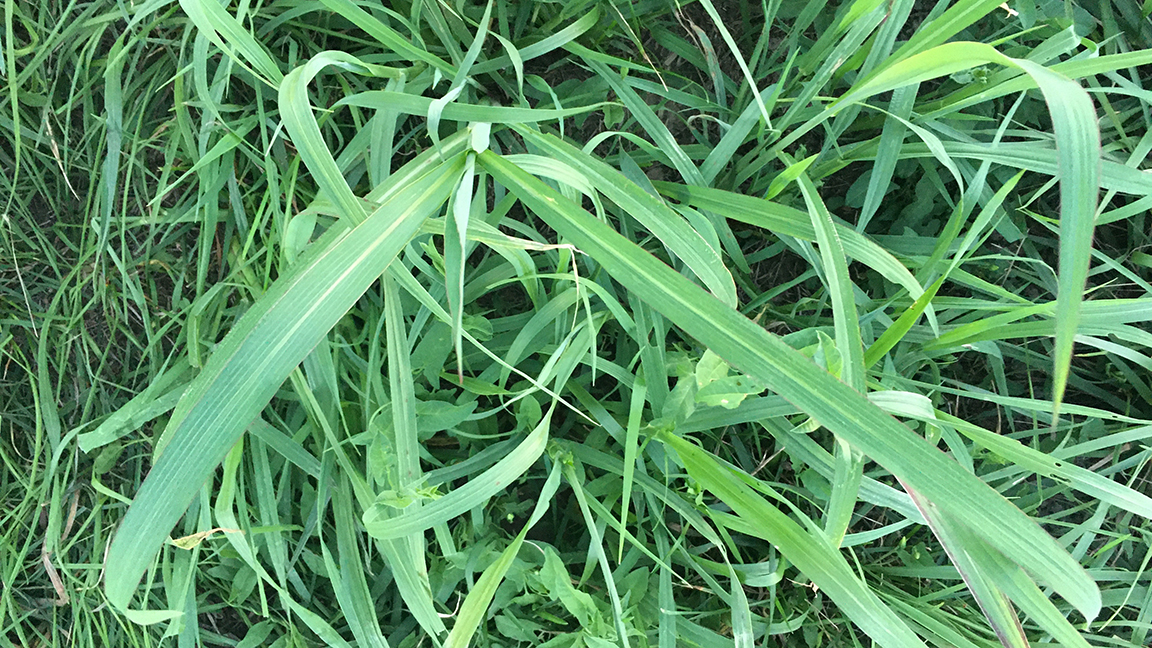
Johnsongrass, a common forage, can build up prussic acid, which is harmful and sometimes deadly to animals. [Photo courtesy Tim Evans.]

by Linda Geist, University of Missouri
Recent rains may have brought relief to drought-stricken pastures, but livestock producers should remain alert for signs of prussic poisoning in cattle and horses, says Tim Evans, University of Missouri Extension state specialist in animal health and veterinary toxicology.
Rainfall after drought can trigger new growth in Johnsongrass and other sorghum species. These young shoots, and especially the leaves, may contain high concentrations of precursors of prussic acid, also known as hydrocyanic acid or hydrogen cyanide, says MU Extension livestock specialist Gene Schmitz.
Avoid turning hungry cattle or horses onto pastures with abundant regrowth of these plant species, Evans says. Instead, feed hay or grain supplements before turnout so animals are less likely to consume large amounts of potentially toxic forage. Consider gradual introduction, careful monitoring and continued supplemental feeding of valuable, pregnant animals until the danger has passed.
Schmitz recommends waiting until plants are about 24 inches high before grazing. Prussic acid concentrations generally decline as plants mature; the leaves of young plants contain the highest concentrations, compared to the stems of older growth. Cyanide generally dissipates by gassing off 10-14 days after a frost or during the hay curing process.
Evans says clinical signs of prussic acid poisoning can appear within five minutes of animals eating affected forage, and death can occur in as little as 15 minutes. Depending on the circumstances, however, it might take a few hours for clinical signs to develop and for death to occur.
Early signs include rapid or labored breathing that might resemble pneumonia. Other symptoms include muscle tremors, excessive salivation, staggering, convulsions and collapse. Gums of affected animals may appear bright cherry red or bluish. Pregnant cattle exposed to prussic acid can also abort.
Because prompt treatment can help reverse the clinical signs of this intoxication, call a veterinarian as soon as possible after prussic acid poisoning is suspected, says Evans.
Move all animals, even seemingly unaffected ones, immediately but calmly to a different pasture or corral. Monitor all exposed animals for the next 12-24 hours to identify any other cattle beginning to show symptoms, and keep stress to a minimum.
Schmitz encourages producers to maintain a diverse mixture of forage species and rotate livestock among pastures. He suggests confining and feeding hay rather than exposing animals to potentially toxic forages. Resting pastures may also improve persistence of desirable forages in drought-stressed fields.
Editor’s note: Linda Geist is a senior communications associate for University of Missouri Extension.
Angus Beef Bulletin EXTRA, Vol. 18, No. 10-B
Topics: Feedstuffs , Health , Pasture and Forage
Publication: Angus Beef Bulletin
Related Content


Current Angus Beef Bulletin
Our November issue focuses on the females of the herd and the records that validate them.