



In the Cattle Markets
The effects of heifer slaughter on herd expansion and beef supply.
October 7, 2026

by Hannah Baker, University of Florida Extension.
It is no secret record-high beef prices during the last year are a result of tight cattle supplies and strong consumer demand. The average monthly retail price for all fresh beef products in July was $9.63 per pound (lb.). This is down from the high of $10 per lb. in April, but is still 5% higher than the same month last year and 31% higher than the five-year historical average for August.
Demand shifts among beef products are normal for this time of year as we transition from the grilling months of summer to the pot roast days of fall. As we get closer to the holiday season, we can expect to see more demand shifts and seasonal price changes among beef products. Additionally, fuel prices continue to require a larger portion of household incomes that could otherwise be spent on grocery items such as beef. However, the overall story is that consumers still want to buy beef amidst tightening cattle supplies further supporting beef prices.
Beef production so far in 2026 (as of Sept. 1) has declined by 5%, or 829.4 million lb., compared to the same period in 2025. While average dressed weights for both steers and heifers have increased by roughly 30 lb. since last year, the increase has not been enough to offset the decrease in the number of cattle being processed. At the time of writing this, year-to-date federally inspected steer and heifer slaughter are down by 5.6% and 11.2%, respectively.
The decline in heifer slaughter does imply more heifers are being retained, but the percentage of heifers being slaughtered so far in 2026 is 30.7%. When we started holding back heifers from 2012-2016 for the last expansion period, this percentage ranged from 28.6% to 25.6% before heifer slaughter began increasing again in 2017. Fundamentally speaking, as more heifers are retained, beef production can be expected to decrease in the short-term until more calves enter the market, resulting in an increase in beef production in the long-term.
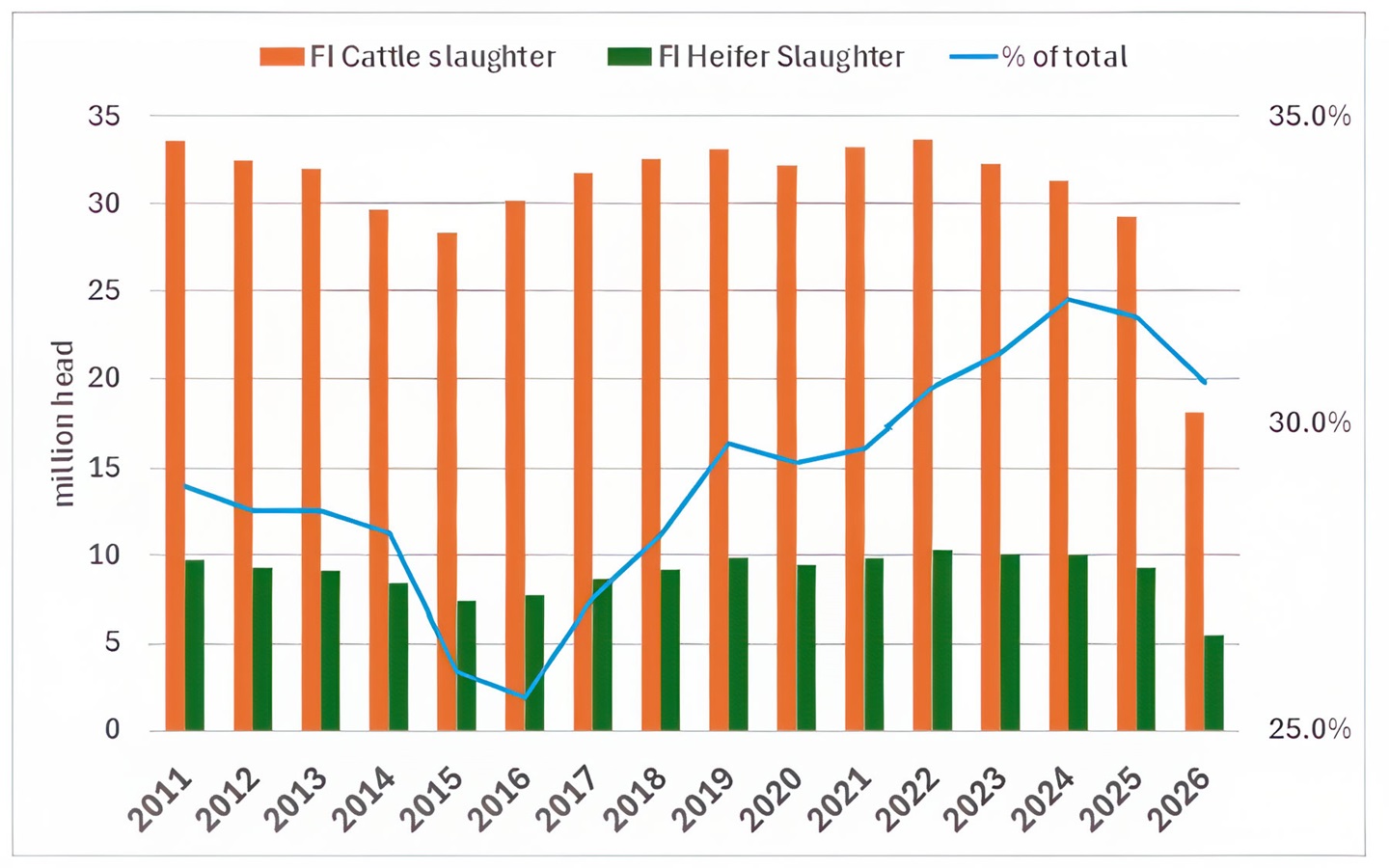
Fig. 1: Heifer Slaughter as a Percent of Total Cattle Slaughter
January 2011 - August 2026

Publication: Angus Beef Bulletin
Related Content


Current Angus Beef Bulletin
Our September issue focuses on the females of the herd and the records that validate them.