

Is What You’re Feeding, Meeting Your Herd’s Needs?
Here’s a practical guide to forage/feed sampling and testing.
September 3, 2025
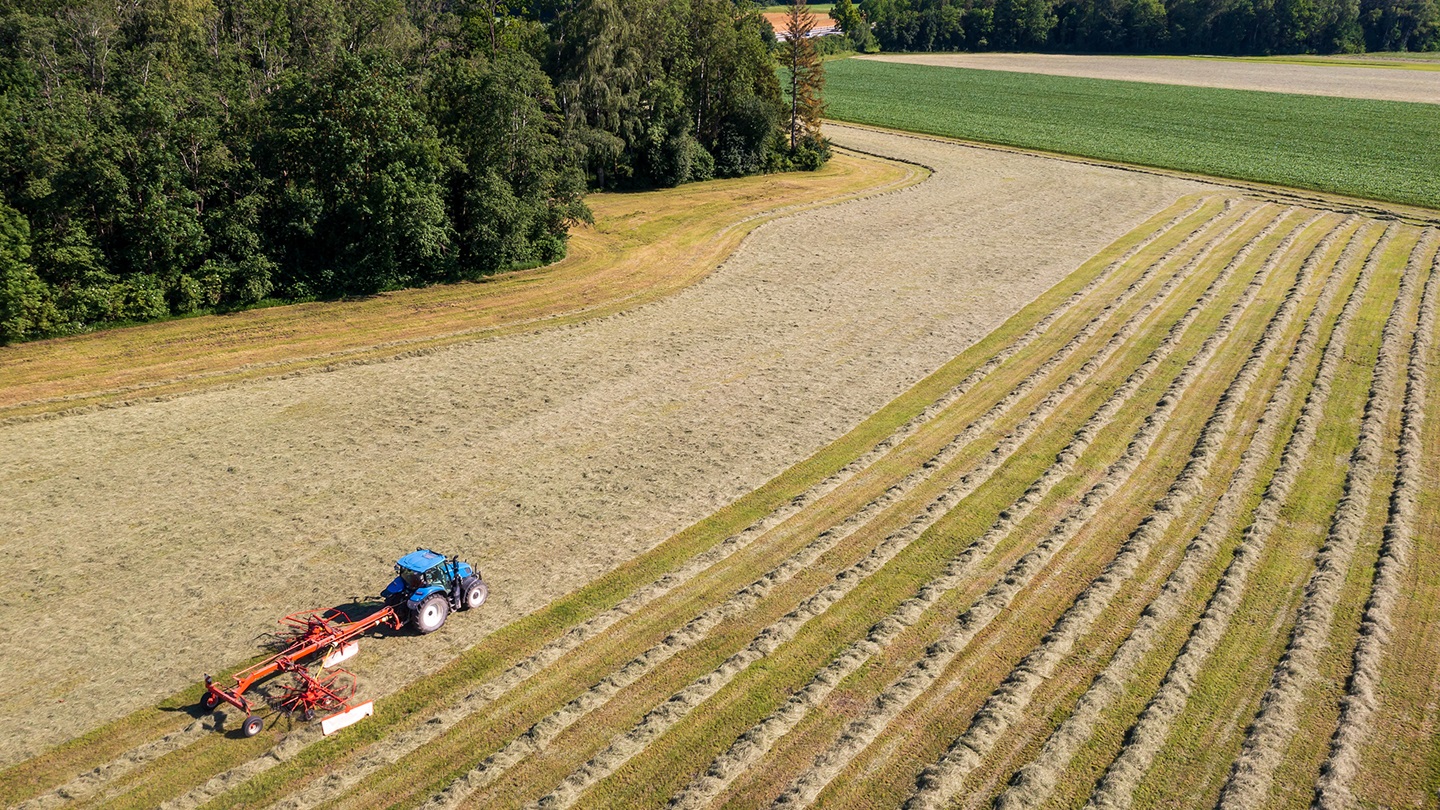

by Emma Briggs, Kansas State University
Testing your forage and feed is one of the most valuable steps you can take to make sure your cattle are meeting their nutritional needs. By collecting good samples, choosing the right tests, and understanding the results, you can save money, improve animal performance and avoid unexpected problems.
Getting a good sample
The first step is making sure your sample represents what the cattle will eat. Always sample by “lot,” meaning hay or forage that comes from the same field and cutting. Never mix bales from different cuttings or pastures into one sample.
Also consider timing. Sampling right before feeding shows the most accurate nutrient value since it includes any storage losses.
Use a hay probe or core sampler when possible, and collect at least 20 cores from different bales in a lot. For chopped silage or baleage, take grab samples from several locations and mix them.
Once collected, combine samples in a clean bucket, mix thoroughly, and seal in a heavy-duty plastic bag. For high-moisture feed, freeze the sample until it’s shipped to the lab.
Labeling and shipping
Clear records are just as important as a good sample. Label each bag with your name, lot ID, harvest date and forage type (i.e., “2nd-cutting orchard grass, Field A”). On the lab paperwork, note any details about maturity, legume content or suspected issues like mold. Ship samples quickly, preferably early in the week. Use ice packs or freeze high-moisture feeds like silage to keep them from spoiling.
Choosing a lab and tests
When looking for a place to send samples, look for an accredited lab certified by the National Forage Testing Association (NFTA). Most routine analyses are done with near-infrared reflectance spectroscopy (NIRS), which is fast and affordable. However, the “gold standard” for feed analysis is wet chemistry and can be more accurate for some feed types.
At minimum, request tests for dry matter (DM), crude protein (CP), acid detergent fiber (ADF) and neutral detergent fiber (NDF). These values allow the lab to also calculate energy, like total digestible nutrients (TDN). Optional tests like nitrates, minerals or fiber digestibility are worth considering if you suspect specific issues or are feeding high-risk forages like sorghum or drought-stressed hay.
Understanding the results
Dry matter (DM): Indicates how much actual feed remains after water is removed. Essential for balancing rations and preventing spoilage.
Crude protein (CP): Estimates protein content but can include non-protein nitrogen (like nitrates). Heat-damaged hay may show inflated CP, so some labs also report available CP.
Acid detergent fiber (ADF) and neutral detergent fiber (NDF): Fiber values that affect digestibility and intake. High ADF means lower energy; high NDF limits how much cattle will eat.
Energy [total digestible nutrients (TDN), net energy (NE)]: Energy values calculated from fiber. As ADF increases, energy drops. Meeting cows’ energy needs is often the biggest feeding challenge.
Ash and minerals: High ash often means dirt contamination, which dilutes feed value. Mineral panels can flag shortages or imbalances that may require supplementation.
Indexes [relative feed value (RFV), relative forage quality (RFQ): Useful shorthand for comparing hay quality, though best applied only within similar forage types.
By knowing exactly what nutrients your forage provides, you can fine-tune rations, avoid toxicity risks and stretch your feed dollars further.
Putting results to work
The real value of forage testing comes when you compare lab results to your cattle’s requirements. For example, if a cow needs 1.4 pounds (lb.) of protein daily, but your hay only provides 0.9 lb., you know to add a protein supplement. Conversely, if your hay is richer than expected, you can save money by cutting back on purchased feed. Matching different forages to the right class of cattle is also smart management. Reserve your highest quality hay for lactating or growing animals, while dry mature cows might be able to get by on lower-quality forage.
Avoiding common mistakes
The biggest pitfalls are poor sampling (too few cores or mixing lots), mislabeling bags and misreading results (confusing “as-fed” with “dry matter” values). Don’t rely only on RFV or CP without considering energy, fiber and minerals. Always ship samples quickly to avoid spoilage.
The bottom line
Good sampling and testing take a little time, but they can help improve operation efficiency. By knowing exactly what nutrients your forage provides, you can fine-tune rations, avoid toxicity risks and stretch your feed dollars further. Forage analysis is a simple but powerful tool to boost both cattle performance and your bottom line.
Editor’s note: Emma Briggs is assistant professor and beef systems Extension specialist at the Kansas State University Agriculture Research Center at Hays. Kan. Reprinted with permission from K-State’s BeefTips newsletter. [Lead photo by Bim from Getty Images.]
Angus Beef Bulletin EXTRA, Vol. 17, No. 9-A
Topics: Feedstuffs , Feedyard , Management , Nutrition
Publication: Angus Beef Bulletin
Related Content


Current Angus Beef Bulletin
Our November issue focuses on the females of the herd and the records that validate them.