




Cattle Producers Urged to Watch for Prussic Acid Poisoning
Lush regrowth following drought stress can be problematic.
September 7, 2023
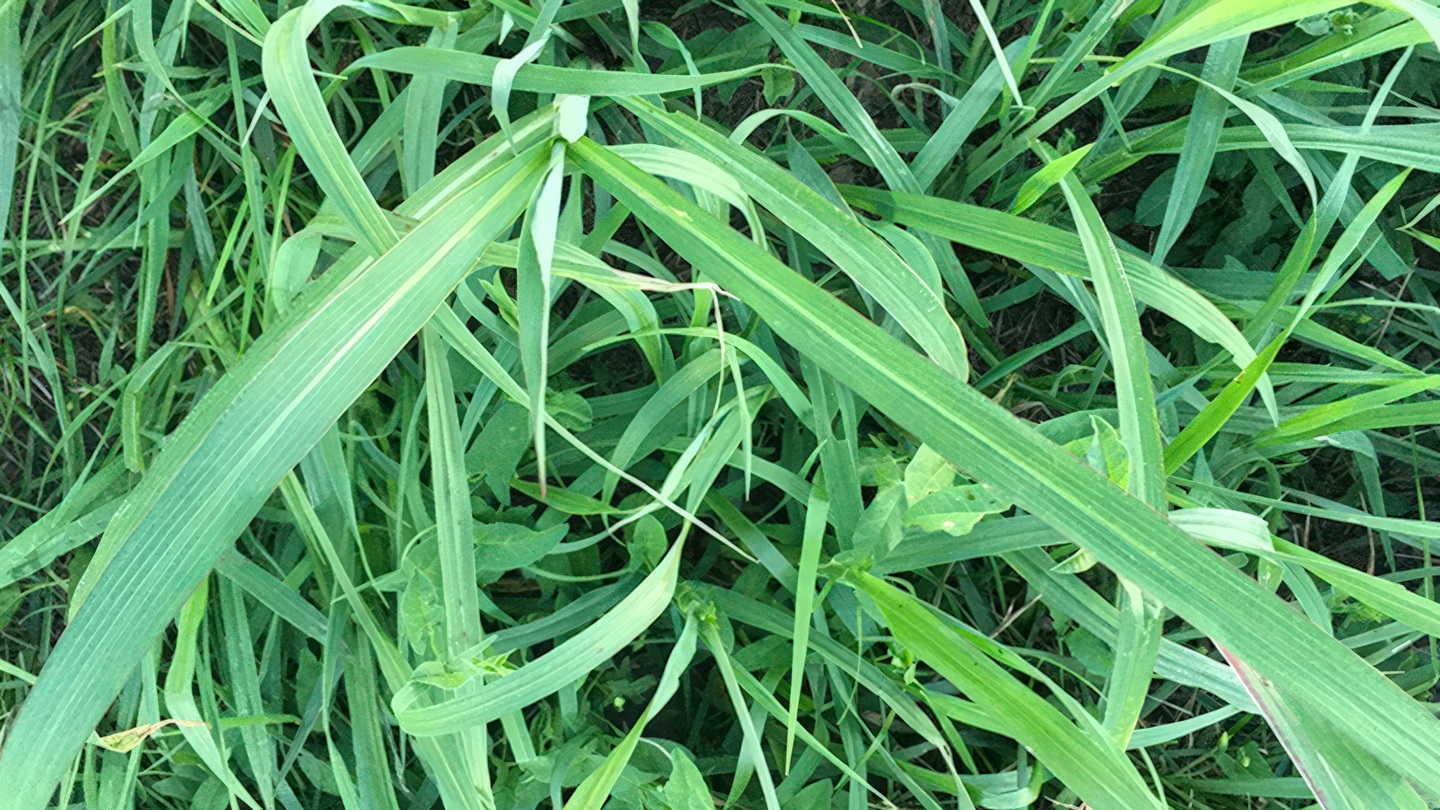
Johnsongrass, a common forage, can build up prussic acid, which is harmful and sometimes deadly to animals. [Photo courtesy Tim Evans.]

by Linda Geist, University of Missouri
University of Missouri (MU) Extension specialists urge producers to closely watch cattle grazing pastures with Johnsongrass and other sorghum species.
Cattle producers in several drought-stressed parts of Missouri have reported cattle deaths from suspected prussic acid or hydrocyanic acid (cyanide) poisoning, says Tim Evans, an MU Extension state specialist in animal health and veterinary toxicology.
Prussic acid poisoning results when cattle eat cyanide-producing compounds in immature leaves of sorghum grasses or leaves of cherry and related species of fruit trees. This happens most often after extreme weather conditions such as drought or frost.
Evans says more than 70 adult cattle in southwestern Missouri died shortly after being released into drought-stressed pasture with lush new growth of Johnsongrass.
Within a few hours of grazing in this pasture, several cows suddenly lay down and died or staggered briefly before collapsing and dying, says Evans. Few other clinical signs were observed. The remaining cattle were returned to the pasture, after which several more animals died.
Necropsies of 10 of the dead animals showed varying degrees of bright, cherry red blood. Evans says this is commonly observed in prussic acid poisoning, because cyanide inhibits aerobic metabolism and prevents oxygen in the blood from being released to the tissues.
Samples from the necropsied animals were preserved for further testing. So far, Evans and diagnosticians from MU’s College of Veterinary Medicine have preliminarily ruled out carbohydrate overload, grass tetany, nitrate/nitrite intoxication, anaplasmosis and toxins from harmful algal blooms.
Though it can be challenging to accurately measure the presence of cyanide in postmortem samples, prussic acid poisoning remains the most likely cause of death, Evans says.
Sorghum forages include sorghum-Sudan hybrids, forage sorghum, sudangrass and Johnsongrass. These forages can accumulate nitrate in their stems — especially in response to drought — and cyanide-producing compounds in their leaves, particularly in rapidly growing immature plants.
Prussic acid poisoning from these annual forages happens most often when abundant rainfall interrupts or immediately follows a drought.
“When there’s a drought, these warm-season annuals quit growing but still take up nitrogen from the soil and accumulate nitrates and cyanide-producing compounds,” says MU Extension state forage specialist Craig Roberts. When rain comes, drought-stunted plants can start to look green and lush, and rapid new growth can occur.
Roberts and Evans agree that there is general awareness of concerns about grazing these forages immediately after frost, but they say producers might not know that what looks like excellent green grass for grazing might have high concentrations of cyanide-producing compounds following rainfall during or after drought.
Consult your veterinarian immediately if cattle collapse suddenly, die or exhibit labored breathing and staggering after being introduced to stunted or immature sorghum grasses, says Evans. Veterinarians can administer intravenous sodium nitrite and sodium thiosulfate to treat prussic acid poisoning, but animals frequently die before treatment begins.
Prevention is likely the best way to address concerns about sorghum-related prussic acid poisoning:
- Take soil samples before applying nitrogen to pastures. Excess nitrogen increases risk of both prussic poisoning and nitrate/nitrite poisoning.
- Wait to graze sorghum varieties until they reach a height of at least 24 inches. Evans strongly recommends quantitative nitrate and cyanogenic potential testing procedures prior to grazing. To allow cyanide to escape or “gas off” before feeding to livestock, wait at least 14 days after cutting and baling sorghum species for hay. Likewise, wait 60-90 days after beginning ensiling to let cyanide gas off during fermentation before feeding to livestock.
- Do not turn hungry cattle into pasture with sorghum grasses. Fill them up on other grass or hay during the day before gradually introducing them to sorghum pastures. Don’t turn the entire herd onto a new pasture at once. Consider using test animals if you have not tested for nitrates or cyanogenic potential.
- Remove animals immediately from pastures when an animal is found dead. Consult your local veterinarian and extension specialists about the need for animal necropsies and forage testing.
Evans discusses prussic acid intoxication and other drought-related intoxications in three videos:
- “Prussic Acid Intoxication Concerns Following Rainfall During/After Drought Conditions”
- “Nitrate/Nitrite Intoxication Concerns During Drought Conditions”
- "Forage Quality and Toxic Plant Concerns During Drought Conditions”
Editor’s note: Linda Geist is a senior strategic communication associate for University of Missouri Extension.
Angus Beef Bulletin EXTRA, Vol. 15 : No. 9-A
Topics: Feedstuffs , Health , Management , Nutrition , Pasture and Forage
Publication: Angus Beef Bulletin
Related Content


Current Angus Beef Bulletin
Our November issue focuses on the females of the herd and the records that validate them.