




When Everybody Wins
Capstone Beef recognized as Progressive Partner for an innovative approach to targeting quality.
September 26, 2026
Taking aim without a target is like fishing without bait. It just doesn’t work. The cattle market lures with premiums for targets hit, but the bar keeps rising. Getting better in this dynamic setting takes detailed feedback.
Capstone Beef provides that to its commercial customers with report cards that track progress and reveal needed change.
“We’re connecting two ends that don’t get much interaction,” says Spencer Smith, referring to consumers and cow-calf producers.
That’s to close the typical feedback gap to give everyone a chance to improve. Success is when each beef segment wins.
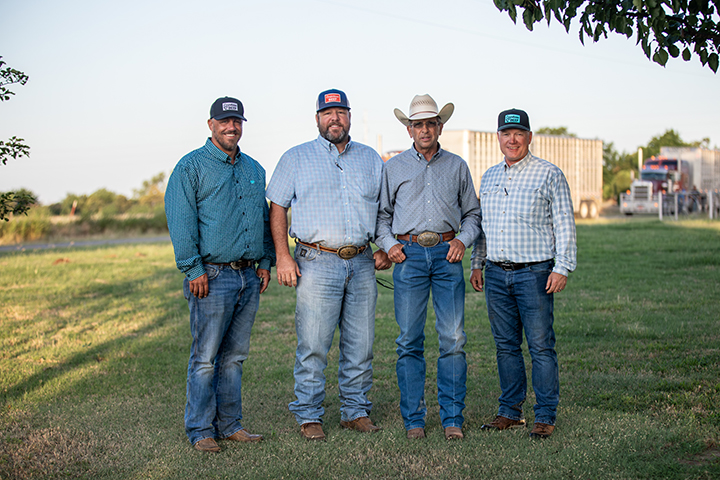
Pictured from left are Spencer Smith, Bailey Ballou, Kevin Smith and David Ballou.

Looking for potential
Simply put, Capstone Beef feeds cattle. Based in southwest Oklahoma and north-central Texas, the unconventional feeders work with more than a dozen feedyards to place the calves they buy.
The business has four partners: cousins David and Bailey Ballou, along with Kevin Smith and his son Spencer. Each brings a specific skill, creating unique synergy in the business. David buys the cattle. Spencer handles logistics. Bailey builds customer relationships. Kevin manages risk.
They’re looking for cattle with potential. For years, David bought cattle through auction markets and on video, learning from the “school of hard knocks.” He enrolled by winning the bid on his first set at 19 years of age. That profit was lost on the second group. He dug his heels in, paid close attention and learned from each buy and closeout.
“What made David a better-than-average buyer is the participation,” Kevin says. “A lot of buyers never own one. You learn a lot with skin in the game.”
Buying direct
Now they prefer buying directly off the ranch so they can track each calf through the feedyard. They saw a need to help local producers with average-sized herds of promising cattle, but unknown performance at the feedyard and packing plant.
“David felt like they needed to be rewarded for being particular in their genetic selection,” Kevin says.
It’s also easier on the calves.
“It all comes down to thinking about the cattle first,” David says. After nearly three decades, he considers every scenario that may affect animals through their lives and what will help them reach peak potential at harvest.
Buying this way also means they often own cattle longer than the rancher who calved them, and care just as much.
“Are you a man with cows, or a cowman?” David asks. For the cowman, doing things right for cattle is intuitive, from managing health and nutrition to breeding and comfort.
Capstone prefers yearling calves, but also buys calves to grow to 1,000 pounds, most fit for the feedyard. Being in prime wheat country, many groups are turned out to graze and better prepare for feedyard performance, David says.
Time, space and simply slowing down dramatically affect calves’ health and ability to grade, he adds. If 30% of a calf crop gets doctored, then 30% won’t grade Choice. If that’s just 5%, then 95% may reach premium Choice and Prime.
“That’s big time,” David says. More chances to beat plant average and earn premiums means more money for customers.
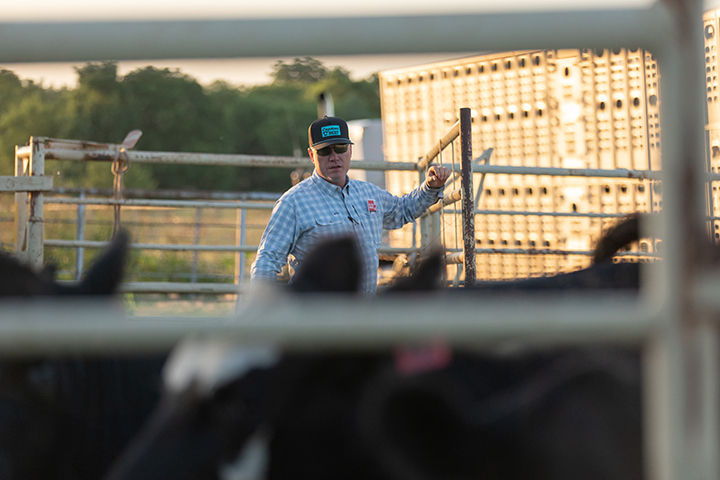
Capstone Beef started with a shared vision: buying cattle directly from the ranch and retaining ownership through the packer to share carcass data back to make genetic decisions.

Looking for people
“We’re looking for good cattle,” Bailey says. “We’re looking for good people as much.”
They want to work with those who care about what happens to their calves when they leave the ranch, he says, noting feedback often includes photos and videos besides carcass data. When possible, Capstone takes customers to see their cattle nearing harvest weight — something most commercial producers never see.
Since Kevin, David and their late partner Bret Hull first fed cattle together in 2010, this approach has taken them from 60% to 92% Choice, from 10% to 35% Certified Angus Beef ® (CAB®) and from 1% to 10% Prime.
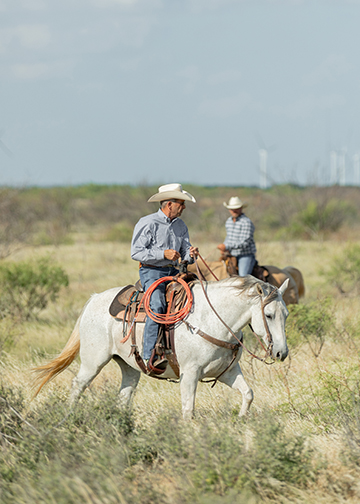
“We’re looking for good cattle. We’re looking for good people as much. I want the guy that does care about what happens to them in that chain,” Bailey Ballou says.

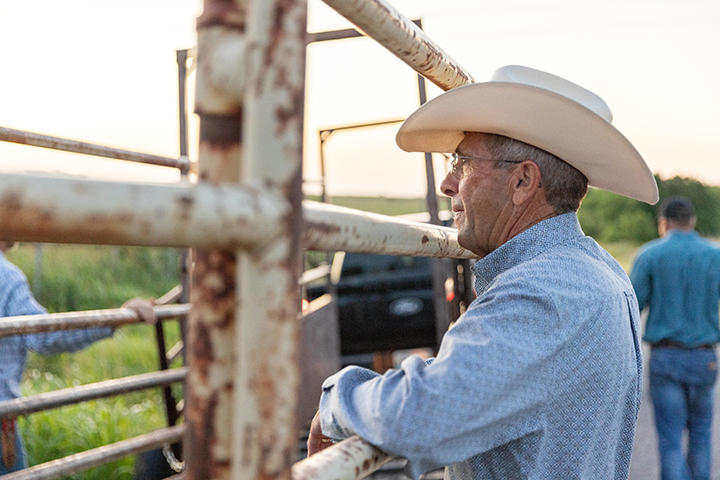
From weekly conference calls to a shared passion, the camaraderie keeps the passion alive, says Kevin Smith. Individual wins are good for the group.

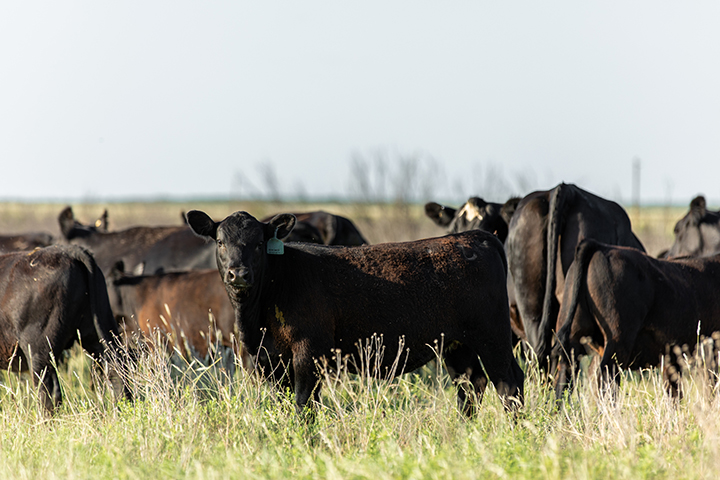
If 30% of a calf crop gets doctored, then 30% won’t grade Choice, says David Ballou. If that’s just 5%, then 95% may reach premium Choice and Prime.

Genetic focus
Focusing on genetics leads to progress — primarily through bull selection. In a case study, one Capstone customer sold calves during a drought year and only had one Prime. The next year he reached 11% Prime. While environmental factors varied, the only change was the introduction of new Angus bulls with the right genetics, recommended by their longtime source for high-quality bulls from South Dakota.
With genetic upgrading as another opportunity, he will raise or buy heifers to develop as replacements for Capstone customers to purchase bred, starting in 2027.
Fueling customers
The younger Smith joined the team five years ago. After a decade in the oil business, he traded a suit for faded jeans and a ball cap while keeping his western boots and bringing new energy to Capstone.
Spencer sees ways to better serve customers with faster, better carcass data, and that background in oil transactions prepared him for stepping into a packer’s conference room to negotiate how he sells cattle.
“Why in the world would we be meeting with the packer?” recalls his partner, David Ballou. “As soon as Spencer started talking, I knew why we were there.”
After the first attempt, they left empty-handed; but after meeting with the second packer, Spencer was able to work a promising deal. They’re equivalent to a midsized feedyard, with opportunity to grow if they started purchasing the heifers from their clients (not just the steers). They know the genetics are there, they just needed an opportunity to scale.
It all helps Capstone target a superior product that pays off for all.
“The consumer is the most important player,” Spencer says. “Pricing power now comes from demand built across decades.” Helping convey price signals encourages progress where quality starts.
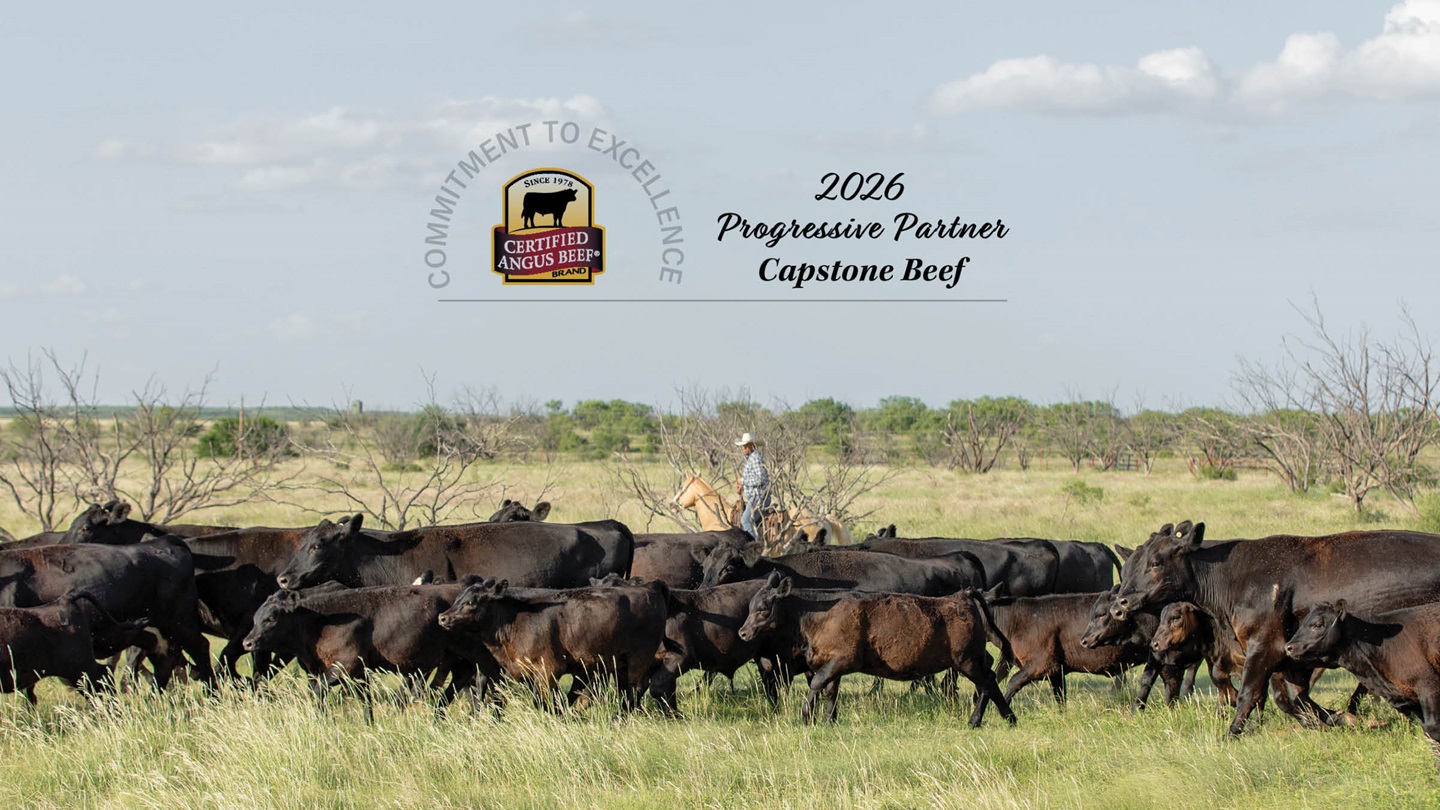
This innovative approach earned the 2026 Progressive Partner award, recognized in September at the CAB annual conference. Capstone Beef accepted on behalf of its next generation of cow-calf producers.
“We want our customers to win,” David says. “Just keep stacking genetics, keep breeding quality. We’re out here to feed America a source of protein that is unmatched.”
That’s their target.
Editor’s note: Morgan Boecker is the former assistant director of producer communications for CAB.
Angus Beef Bulletin EXTRA, Vol. 18, No. 10-A
Topics: Award winner , Feeder-Calf Marketing Guide , Management , Marketing , Ranch profile , Success Stories
Publication: Angus Beef Bulletin
Issue: November 2026
Related Content


Current Angus Beef Bulletin
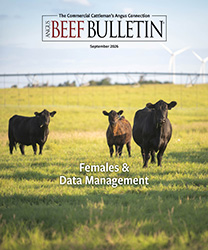
Our September issue focuses on the females of the herd and the records that validate them.