
The Jett Stream to Prime
Oklahoma Panhandle ranch pushes Prime through genetic selection and disciplined management, earning them CAB honors.
September 25, 2026
by Briley Richard for Certified Angus Beef
‘Free land in Oklahoma,” the brochure read.
It was enough to bring Joel “Henderson” Jett to western Oklahoma to the rugged, dry ground that would test the family for the next century.
On the rangeland just outside of Laverne, Okla., four generations of Jetts built a cattle operation defined less by the odds against it than the standards never lowered.
It’s a small distinction, but it explains almost everything else: Why Jett Ranch has continually adapted its genetics and management. Why Alan Jett has spent decades pushing the herd toward higher quality grades. And why a herd that once struggled to hit Prime now regularly shows more than 70% on the harvest report achieving that goal.
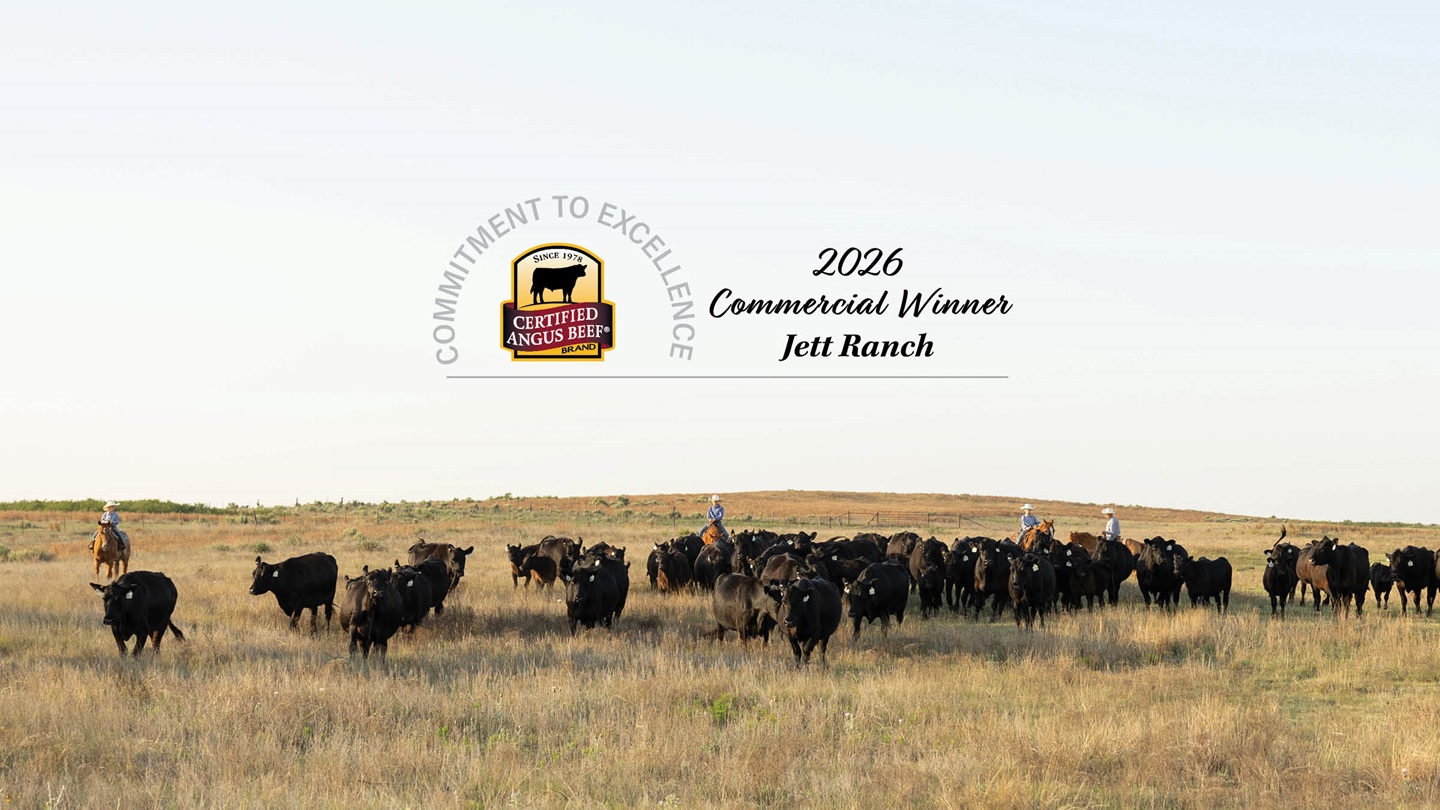
It’s the story of a pursuit that keeps moving, and it’s what earned Jett Ranch the 2026 Certified Angus Beef (CAB) Commercial Commitment to Excellence award.


Finding the right fit
Alan’s grandfather Henderson started the herd, riding across the country to buy handfuls of cattle from different farmers.
“He would take off and head west,” Alan says. A few days, a few calves at a time, then back home to gather up what he’d bought and fed there. By 1910 the family was feeding and shipping fat cattle by train.
Alan’s father Calvin took the reins young, stepping into a managerial role around 16 as his father’s health declined.
Though Alan had options, he never seriously considered another path, and bought his first land at age 14.
“I don’t ever remember not figuring I would be living here,” he says.
Alan grew up showing Hereford heifers, spending hours studying pedigrees. Later, the family began raising Salers cattle, then added Angus genetics to capitalize on hybrid vigor. Today, Jett Ranch operates as a commercial operation, predominantly with Angus genetics aimed to score premiums at the packinghouse.
This move toward CAB and Prime-qualifying genetics reshaped the herd for good, built on a long friendship with the Gardiner family’s Angus program at Ashland, Kan.
Still, this new venture brought challenges. Some cattle had the muscle and size Alan wanted but missed CAB by a specification or two. He mentioned the problem to Mark Gardiner.
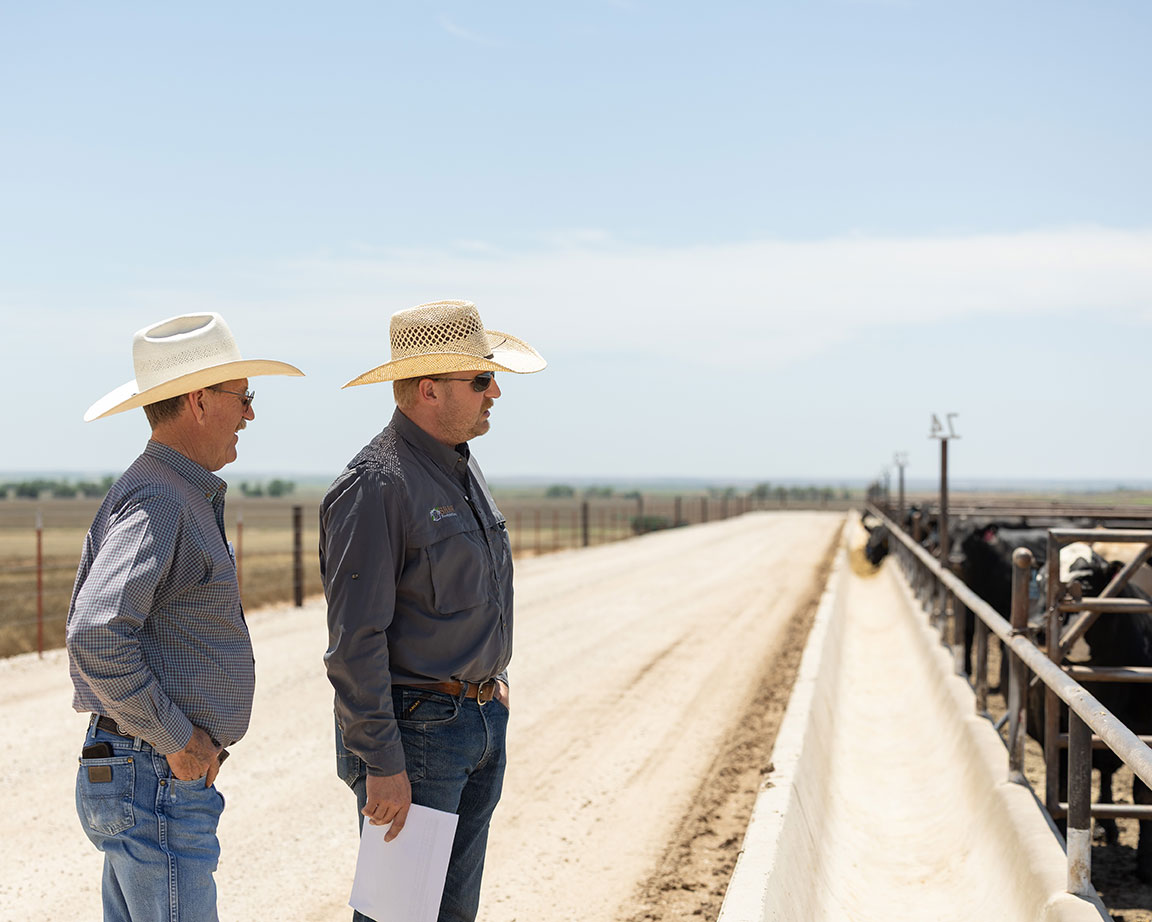
The Jett Ranch moved from 15%-18% Prime to more than 70% last year, with 80% within reach this year. The herd has also built a 65% CAB acceptance rate.

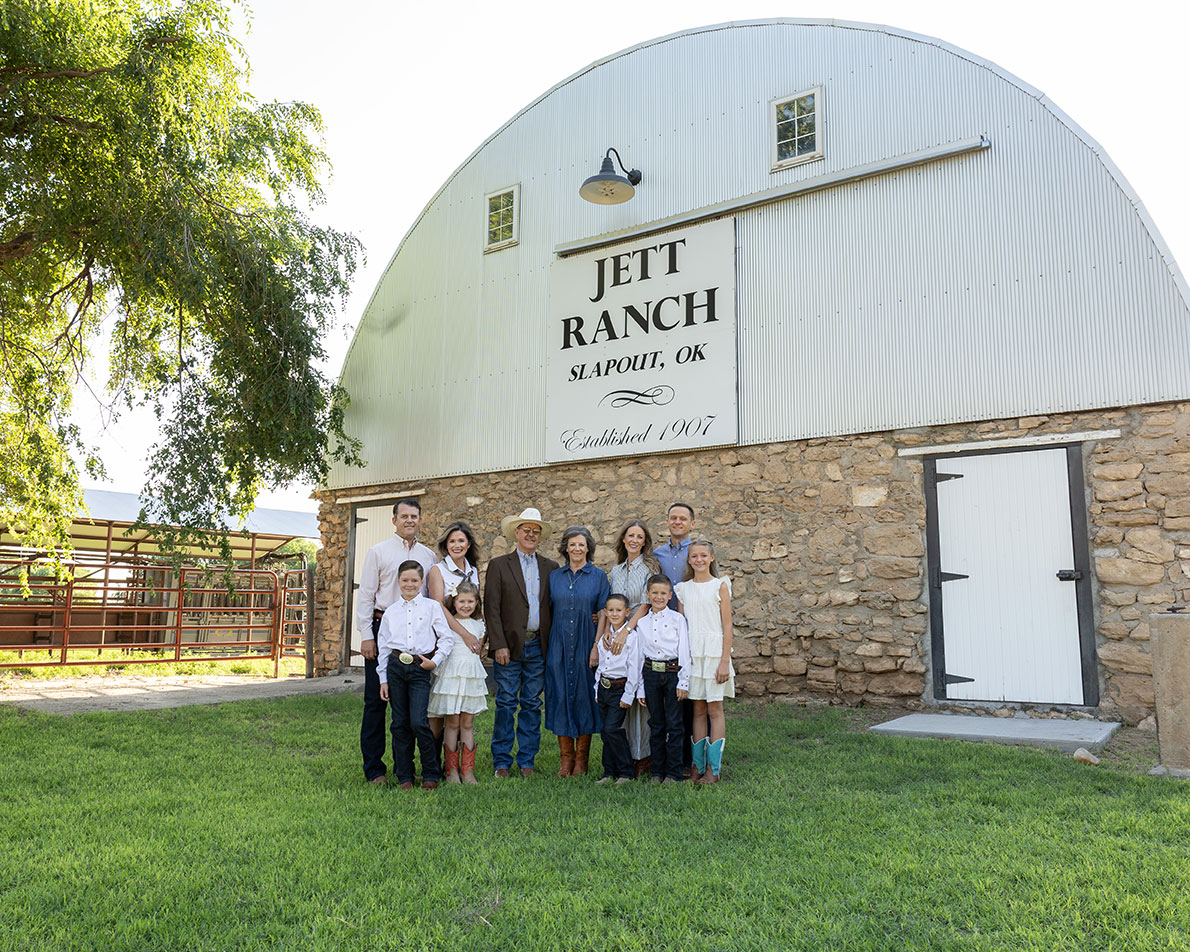
The Jett family’s focus is making the most of the land, leaving it better than they found it, while producing beef they’re proud to put on someone’s table.

“Mark said, ‘Just make them all Prime, and you don’t have to worry about it,’” Alan recalls.
That made everything click. The Jett Ranch herd moved from roughly 15% to 18% Prime, then 30%, eventually climbing past 60% and reaching more than 70% last year, with 80% expected to be within reach this year. Along the way, the herd has also built a 65% CAB acceptance rate.
But the percentage tells only part of the story. At Shaw Feedyard at Ashland, Kan., where Jett cattle have been fed in recent years, general manager Ryan Koons says the carcass data shows the economic value of combining high quality with favorable yield grades.
“We’re used to seeing so many Yield Grade 4 carcasses just to reach Prime, and Alan’s cattle are proving that we don’t have to do that,” Koons says. “There’s a clear correlation in total dollars that come back when producing Prime Yield Grade 2 and 3 carcasses, and the frequency of it on Alan’s cattle is probably the highest we have here in the feedyard.”
The consistency of Jett cattle is apparent long before the carcass data comes back.
“We do all of our sorting visually and my compliment to Alan is the fact that sometimes those cattle are pretty hard to sort just based off the naked eye, because they’re so uniform,” Koons says. “They feed well together, they don’t grow apart near as much, and they do it really efficiently.”
Everything has had a learning curve. Alan once believed improving carcass quality meant sacrificing the functionality he needed in a cow herd built for the Oklahoma Panhandle.
“I was convinced, like a lot of the other people in the cow business, that you couldn’t hit 100% Choice and have functional cows,” he says. “I was wrong.”
The more he learned, the more he realized the two goals didn’t have to be at odds. Today, he keeps the selection approach simple.
“I select my females for feminine qualities,” he says. “I select my bulls for everything else.”
That lets Jett Ranch pursue carcass quality without losing sight of the cow that lives and works in their environment.
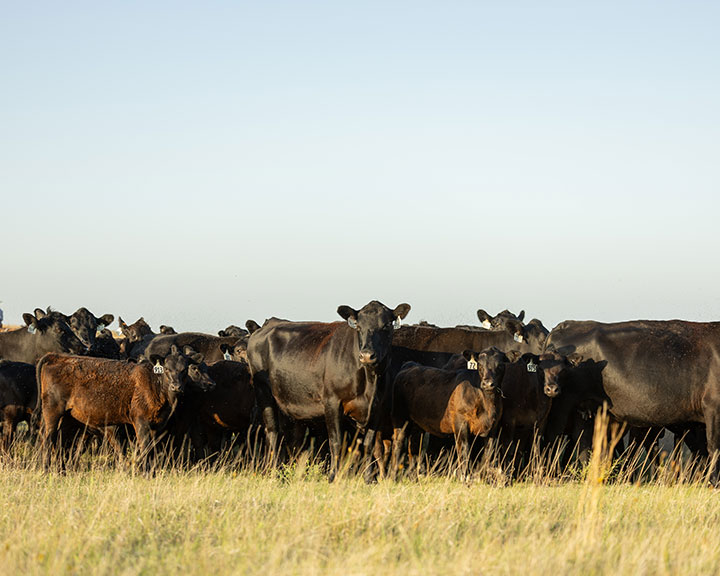
“I select my females for feminine qualities,” Alan Jett says. “I select my bulls for everything else.”

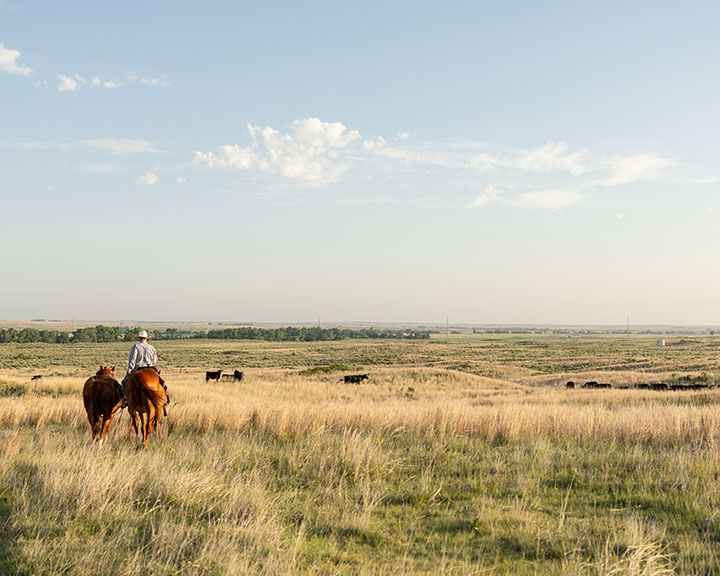
The ranch can only support so many cows, so the answer is getting more from the cows already there.

More from every cow
For Alan, there is also a practical reason to keep pushing for expansion beyond head count. The ranch can only support so many cows, so the answer is getting more from the cows already there.
It means measuring what can be measured and using every tool available to improve the next generation. Quality beef, his wife Alyson says, changed the operation.
“You’re getting more money, you’re getting a better product, and you’re getting what people want to eat,” she says.
Alyson came to Oklahoma after college, where she earned a degree in music merchandising, with no prior experience in the cattle business. She married Alan in 1983 and quickly learned that being a rancher’s wife meant being a partner.
Through the years, she has moved and sorted cattle, driven tractors and stepped up wherever needed.
Today, she describes their approach to ranching much like Alan’s approach to genetics — when Plan A doesn’t work, figure out Plan B.
“Things aren’t always going to be easy,” she says. “You might go to bed at night and think, ‘What’s going on here?’ But God’s mercies renew every morning and you get up, and you strive to be the best cattle people that you can.”
Better than they found it
The Jett family’s perseverance matters in a place like the Oklahoma Panhandle.
The country can be among the hottest in the state and among the coldest.
Drought is a regular concern. Water, grass and cattle all demand careful management. It is not a place where cattle operations can afford to stand still.
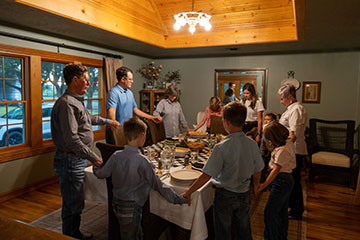
“Things aren’t always going to be easy … But God’s mercies renew every morning and you get up, and you strive to be the best cattle people that you can,” Alyson Jett says.

Those lessons have carried the Jett Ranch through more than a century. Alan and Alyson keep looking for ways to improve the cattle functionality and management.
“Alan is curious. He’s never satisfied. He’s a student of what he’s doing, and he’s going to continue to do that until he can’t do it anymore,” Koons says. “That’s why he continues to see improvement every year.”
The pursuit of Prime will persist. So will the search for genetics to produce more without giving up the traits that make the cattle work in this demanding environment.
“I love telling the story of beef,” he says. “We’re producing a better product than we’ve ever produced before. And I mean substantially better.”
For Alan, this is the ultimate measure of progress.
Four generations after a promise of free land brought the Jett family to Oklahoma, the goal is bigger than simply making a living from the land. Now, the focus is to make the most of it and leave it better than they found it, all while producing beef they’re proud to put on someone’s table.
Editor’s note: Briley Richard is a freelance writer working on behalf of CAB.
Topics: Award winner , Feeder-Calf Marketing Guide , Management , Marketing , Ranch profile , Success Stories
Publication: Angus Beef Bulletin
Issue: November 2026
Related Content


Current Angus Beef Bulletin
Our September issue focuses on the females of the herd and the records that validate them.