



The Grazing Decisions That Shape the Ranch
Day-to-day operational decisions influence the herd and the land that supports it.
September 23, 2026

by Anna Cardoze, Halter
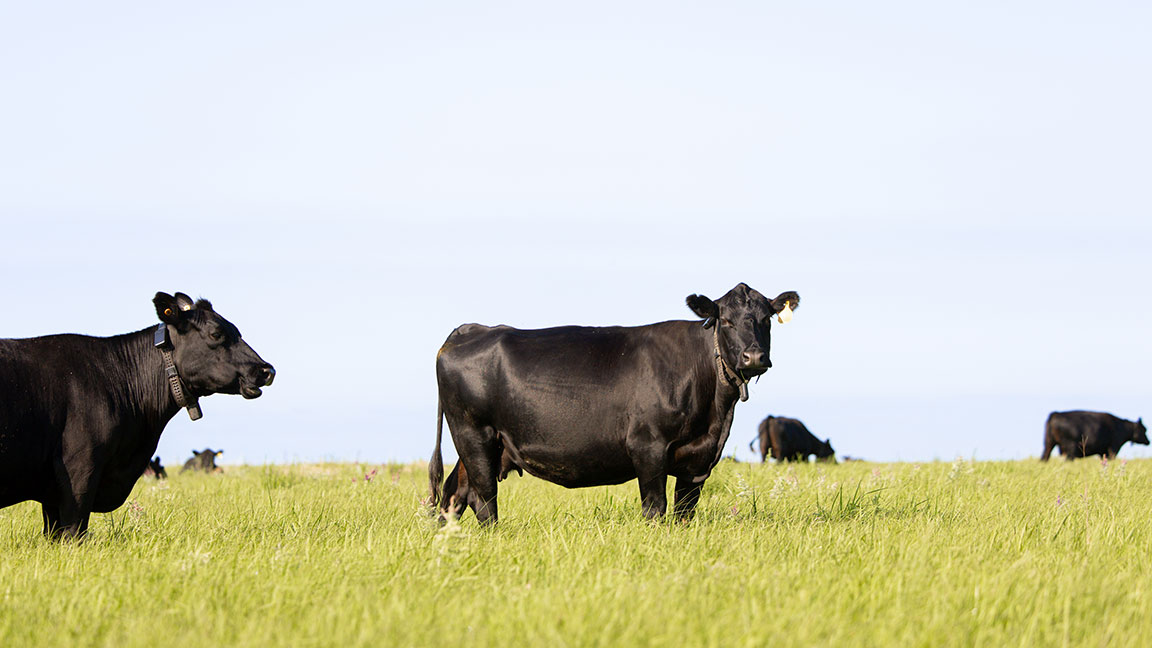
Throughout grazing season, ranchers are constantly making decisions about forage availability, pasture recovery, cattle movement, and how pressure is applied across the land. These day-to-day operational decisions shape how the entire grazing system functions over time, influencing both the herd and the land that supports it.
While many factors influence cattle throughout the production process, there is a growing focus on more intentional grazing practices — managing forage use more carefully, maintaining consistency across the herd, and reducing stress through better timing and control. In recent years, tools like virtual fencing have become part of that broader shift, helping producers manage grazing more flexibly across large and often remote landscapes.
How nutrition shapes cattle development
Nutrition starts with forage. The quality of what cattle graze, from its protein content to its energy density and nutrient digestibility, can influence how cattle grow, maintain condition through the production cycle, and how consistently they perform. This relationship is well-established in animal nutrition and forage research. Experienced ranchers understand the same principle in practice: cattle performance depends on the quality of the forage behind it.
But not all pastures are created equal. Plants that are past their prime or grazed before they can recover provide less for the animals feeding on them. Forage needs time to rebuild energy reserves and maintain their nutritional quality. Soil health sets the ceiling, influencing plant growth, nutrient cycling, and how resilient forage remains under pressure.
For ranchers, these pieces are inseparable. Decisions about timing, stocking and movement shape what cattle have in front of them each day. That helps shape herd consistency over time.
How cattle are moved matters as much as where they graze
Of course, what cattle eat is dependent on the conditions they’re raised in. Many ranchers prioritize lower-stress handling and consistent access to forage, reporting fewer setbacks and greater consistency across the herd.
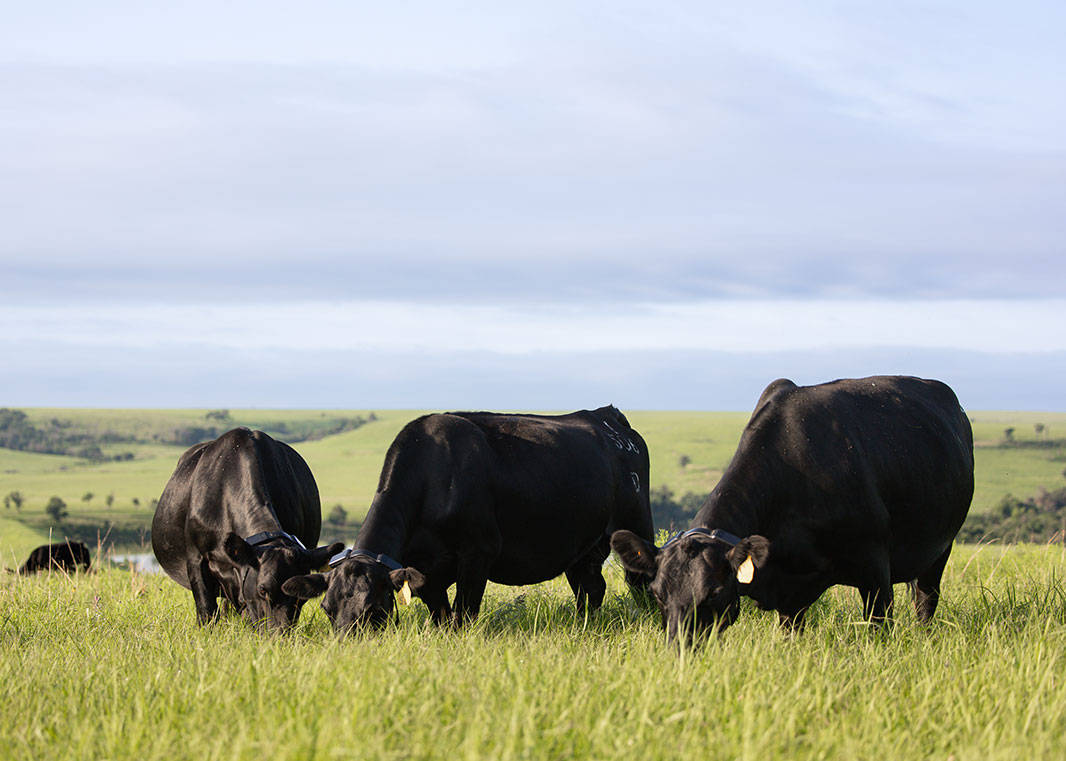
Matt Perrier is a fifth-generation rancher in the Flint Hills of Kansas, where he and his family operate Dalebanks Angus. They manage about 4,750 acres with 525 cows that graze predominantly native pasture, along with some brome and forage crops.
Perrier’s goal is to use every acre of the ranch for grazing when possible while improving soil health and productivity along the way. Before virtual fencing, the ranch used temporary and permanent electric fence to make better use of its bottom ground, including farm ground and cool-season grasses. Virtual fencing has made it possible to manage those areas with less labor and greater flexibility.
The technology has also opened access to areas that were previously difficult to use. Perrier can now graze timbered areas and use rivers and streams for livestock water without building physical fencing around small access points. On native grass, he can apply grazing pressure to specific areas when needed, then allow it to rest for the rest of the season.
As land and labor become more valuable and harder to access, Perrier sees tools like virtual fencing as a way to do more with less. He also sees potential for the technology to help ranchers better understand grazing behavior, breeding activity and animal health over time.
Rotational grazing: the practice at the center of intentional management
Rotational grazing, which involves moving herds through a planned sequence of pastures to allow forage recovery between grazing, has become a key tool for ranchers to manage land health and herd outcomes. It has long been supported by USDA and conservation programs, and research continues to highlight its effects on soil health, forage productivity and entire system durability.
Many ranchers practicing rotational grazing report improvements in forage quality, drought resilience and overall land condition. In fact, a 2025 study found that more frequent rotation produced significantly higher plant biomass and supported greater animal weight gain than constant grazing. The principle is simple: When cattle are moved before they overgraze an area, plants have time to recover, root systems stay healthy, and the land becomes more productive over time.
The challenge, as the research also confirms, is that achieving this level of precision requires either major infrastructure investment or a fundamentally different approach to how grazing boundaries are managed. This points to one of the most consistent challenges in rotational grazing at scale: the infrastructure required to do it with precision is significant.
Fencing costs are among the largest expenses when transitioning to more frequent rotation, and for operations on large or remote landscapes, that barrier has historically limited how precisely ranchers can manage their grazing, regardless of how well they understand the underlying ecology.
[Photo courtesy of Dalebanks Angus.]

Newer tools are changing what’s possible
A growing number of ranchers are finding that greater precision in how cattle are managed is changing what grazing looks like in practice. On large or variable landscapes, the challenge has been carrying that level of control out in the field day after day — deciding when to move, how long to stay, and how much pressure to apply in a given place.
Emerging tools are beginning to close that gap. Newer pasture management tools, like virtual fencing, give ranchers more flexibility in how they manage cattle movement and grazing boundaries over time. Instead of relying solely on fixed infrastructure or infrequent moves, grazing can be managed as an ongoing process, responsive to conditions in the field as they change.
On the ground, that often shows up as more even use of pasture over time. Rather than heavily grazed areas alongside underused ground, forage is utilized more consistently across the landscape, and cattle spend less time competing for the same limited resources. That consistency in access to forage can help support more consistent herd conditions and reduce the swings that come with uneven grazing pressure.
The connection between grazing decisions and downstream outcomes remains complex, and no single tool determines the result. But when ranchers can manage timing, distribution, and recovery with greater consistency, it creates a more stable foundation at the ranch level, including how forage is used, how cattle develop, and how the system performs over time.
The long game
At its core, intentional grazing is a long-term investment. Ranchers who do it well are not seeking quick returns. They are building more productive land, developing more consistent herds season after season, and creating operations that can better withstand the pressures of modern ranching, such as drought, rising input costs and labor constraints.
The connection between land management and ranch output is not simple. It builds over time, formed by decisions made over months and years rather than in a single season.
Over time, those decisions become visible in healthier pastures, stronger cattle, and operations that remain resilient under pressure.
Editor’s note: This article is from Halter, where Anna Cardoze is customer engagement lead. [Lead photo courtesy of Dalebanks Angus.]
Angus Beef Bulletin EXTRA, Vol. 18, No. 9-B
Topics: Animal Handling , Equipment / Facilities , Management , Pasture and Forage
Publication: Angus Beef Bulletin
Related Content


Current Angus Beef Bulletin
Our September issue focuses on the females of the herd and the records that validate them.