



Feed Prices Favor Limit-Feeding Stockers a High-Energy Diet
There are advantages to a limit-feeding approach for growing calves.
September 8, 2026

by Erin Laborie, University of Nebraska
For cattle producers set up to feed calves in a bunk, limit-feeding a high-energy diet may be a cost-effective option for growing calves this fall and winter. While limit-feeding is not a new concept, current forage prices relative to grain and grain coproducts may make it an attractive alternative to feeding high-roughage growing diets.
For instance, hay priced at $200 per ton with a total digestible nutrients (TDN) value of 52% equates to approximately 22¢ per pound of TDN. However, $4.35-per-bushel (bu.) corn (88% TDN) comes out to about 10¢ per pound of TDN, while wet distillers’ grains priced at $75 per ton (108% TDN) is around 11¢ per pound of TDN.
Research at Kansas State University has looked at limit-feeding calves a high-energy diet at 2.2% of body weight compared to a full-fed high-roughage diet (2.8% of body weight) for a 90-day backgrounding period. Both diets included 40% wet corn gluten feed [dry-matter (DM) basis] and varying amounts of corn, alfalfa, prairie hay and supplement. Stockers limit-fed the high-energy diet were more efficient and gained 2.5 lb. per day; whereas, stockers full-fed the high-roughage diet gained 2.9 lb. per day.
Backgrounding system had little to no effect on finishing performance or carcass characteristics.
Advantages of limit-fed, high-energy diets
There are several advantages to a limit-feeding approach for growing calves:
- Reduced mixing time and loads of feed due to less forage in the diet.
- Less feed falling out of bunks and being wasted, reducing rodent issues.
- More efficient use of bunk space. If time, labor and pen design allow, consider leveraging the amount of bunk space in a pen by feeding one group of calves in the morning and then rotating in a second group in the evening.
- Improved health management of calves. Healthy calves will be eager to approach the bunk at feeding time, making lethargic, sick calves easier to spot.
- Improved pen conditions and maintenance due to less manure. Research from Kansas State University has shown a 40%-45% reduction in manure output when limit-feeding stockers. That is huge.
Tips for limit-feeding stockers
When getting calves started on feed, place long-stemmed hay in bunks prior to calves arriving. For the first day’s feed delivery of the limit-fed diet, start calves at an intake of approximately 0.75% of body weight (DM basis) and work up to 2.2% of body weight within about 14 days.
As calves grow, be sure to adjust the amount of feed delivered so that target gains can be maintained. Feeding at a consistent time each day and providing adequate bunk space (at least 15 inches per head) can help prevent digestive upsets and set calves up for success.
For assistance with evaluating cost differences of feedstuffs, consider using the Feed Cost Cow-Q-Lator. The Nebraska Extension Beef Team is always available to help producers evaluate feeding options and develop rations to meet cattle nutrient needs.
Feeding at a consistent time each day and providing adequate bunk space can help prevent digestive upsets and set calves up for success.
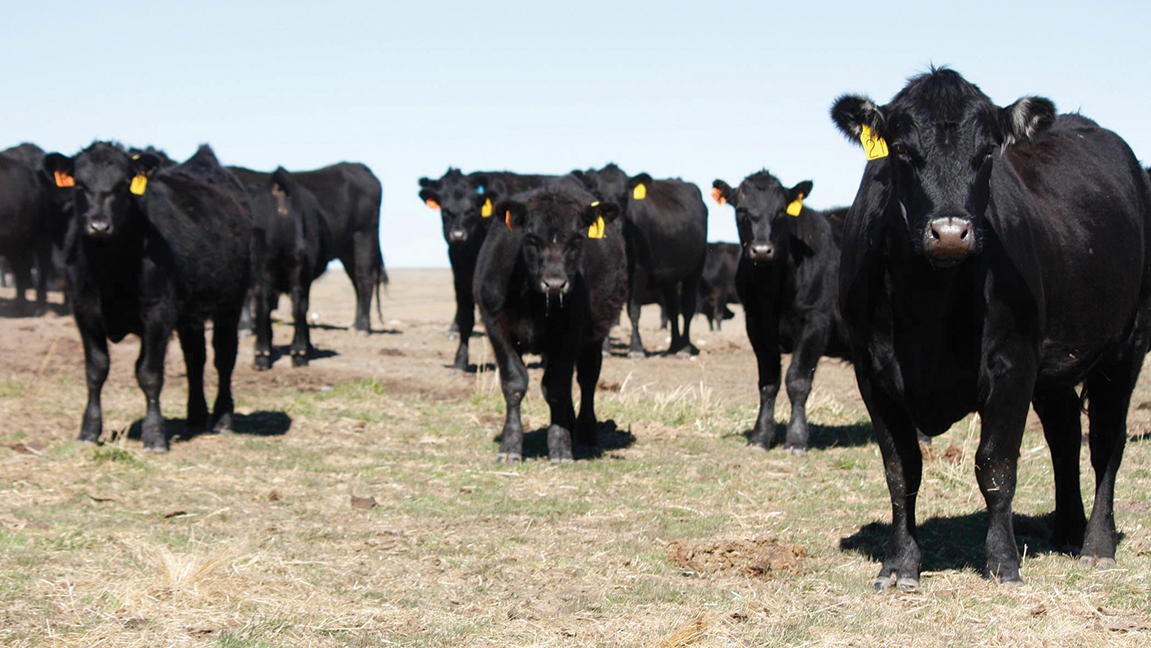
Editor’s note: Erin Laborie is an extension educator for the University of Nebraska–Lincoln. [Lead photo by Laura Nelson.]
Angus Beef Bulletin EXTRA, Vol. 18, No. 9-A
Topics: Feedstuffs , Management , Nutrition
Publication: Angus Beef Bulletin
Related Content


Current Angus Beef Bulletin
Our November issue focuses on the females of the herd and the records that validate them.