



Vaccines and VCPR
Establishing a relationship with a veterinarian before an emergency provides an established resource to give guidance when the need arises.
September 23, 2026

by Texas A&M College of Veterinary Medicine & Biomedical Sciences
Whether you have thousands of acres and hundreds of cattle or a more modest plot of land with a variety of farm animals, every herd needs a routine specific to them, including vaccinations, nutrition and preventative care that account for animals of different ages and stages of production.
Elizabeth Rumfola, a clinical assistant professor at the Texas A&M College of Veterinary Medicine and Biomedical Sciences, shares how a veterinary-client-patient relationship (VCPR) can help producers maintain a healthy herd and prepare for emergencies before they happen.
Herd health starts here
An ounce of prevention is worth a pound of cure, which is why herd health starts with vaccination. Among the variety of vaccines available for livestock are clostridial, respiratory and brucellosis vaccines:
- Clostridial vaccines are available for cattle, sheep, goats and camelids. They help protect against common diseases such as tetanus and enterotoxemia, also known as pulpy kidney disease.
- Respiratory vaccines are particularly common in the cattle industry. There also are respiratory vaccination products that are labeled for sheep and goats that can be used.
- Brucellosis vaccines are subject to strict government regulations and must be administered by a veterinarian. Requirements for administering the vaccine include an animal’s sex, age and identification.
“Producers and other laypeople can administer many routine livestock vaccines, including vaccines for clostridial and respiratory disease,” Rumfola said. “This can be useful when they are already handling an animal for treatment and can administer a vaccine at the same time.
“However, some vaccines require veterinary involvement because of human health risks or government regulations,” she said. “Brucellosis and the rabies vaccines are two examples of this.”
Because any vaccine or medication can carry some risk — ranging from a mild reaction, such as a lump at the injection site, to occasionally experiencing a serious allergic reaction.
Veterinary involvement can be valuable if a reaction occurs, both for treatment and assistance with vaccines and because determining which vaccines an animal needs depends on more than its species, Rumfola recommends speaking to a veterinarian to establish how these vaccines should be administered.
A well-rounded routine
Because age, pregnancy status and stage of production can all influence a livestock vaccination schedule, a veterinarian’s plan may include vaccines, boosters, deworming and routine monitoring to help producers identify potential health problems early.
Young animals can also receive antibodies from their mothers, providing temporary protection against some diseases while weaning. But as that maternal immunity decreases, vaccinations and booster schedules become even more important.
“For things like clostridial and respiratory disease, vaccines can be administered at 3-4 months of age for cattle and 6-8 weeks for small ruminants. We recommend a booster following four weeks later and annually for all species,” Rumfola said.
Pregnancy is another important consideration when identifying vaccine types and routine.
“Modified-live vaccines while pregnant can cause health issues for the fetus later on,” Rumfola said.
Rumfola says this is typically for respiratory disease so that the body does not reject the vaccine.
In addition to a well-planned routine to reduce disease risk, producers’ next critical step should be ensuring these vaccines are administered correctly, which requires careful technique and professional guidance.
Partner in herd health
A herd health plan goes beyond routine vaccinations. Establishing a relationship with a veterinarian gives producers a resource they can turn to for guidance if their animals’ needs change.
“It's easier for somebody who doesn't look at the same cows every day,” Rumfola said.
When your veterinarian has an established relationship with a herd, they can help producers manage animal health, provide guidance remotely, and ensure treatments and medications comply with applicable regulation.
“If you have an emergency and you call us, we can give you advice over the phone in the presence of a valid VCPR,” Rumfola said.
Ultimately, Rumfola recommends establishing a relationship with a veterinarian before an emergency occurs. A VCPR allows producers to have an established veterinary resource who understands their operation and can provide timely guidance when health concerns, treatments or emergencies arise.
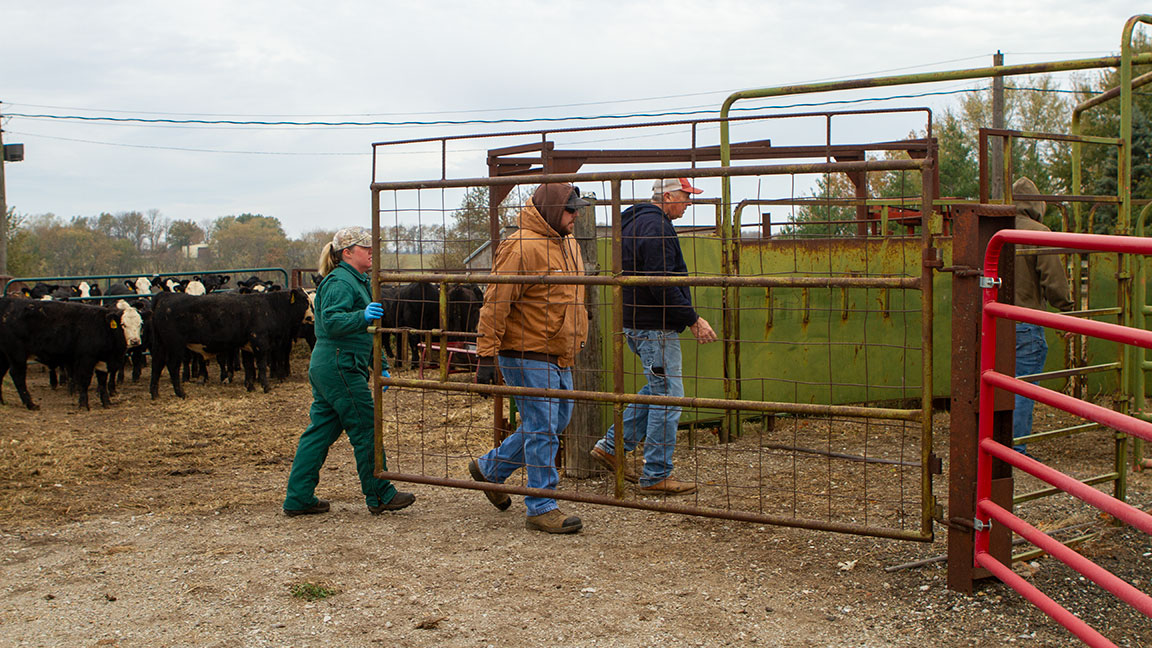
Editor’s note: This article provided by the College of Veterinary Medicine & Biomedical Sciences, Texas A&M University. [Lead photo by Leann Schleicher.]
Angus Beef Bulletin EXTRA, Vol. 18, No. 9-B
Topics: Health , Management
Publication: Angus Beef Bulletin
Related Content


Current Angus Beef Bulletin
Our September issue focuses on the females of the herd and the records that validate them.