



Relieving the Stress of Weaning
How we can alter our management to address stress and set cattle up for improved performance long past weaning.
September 9, 2026
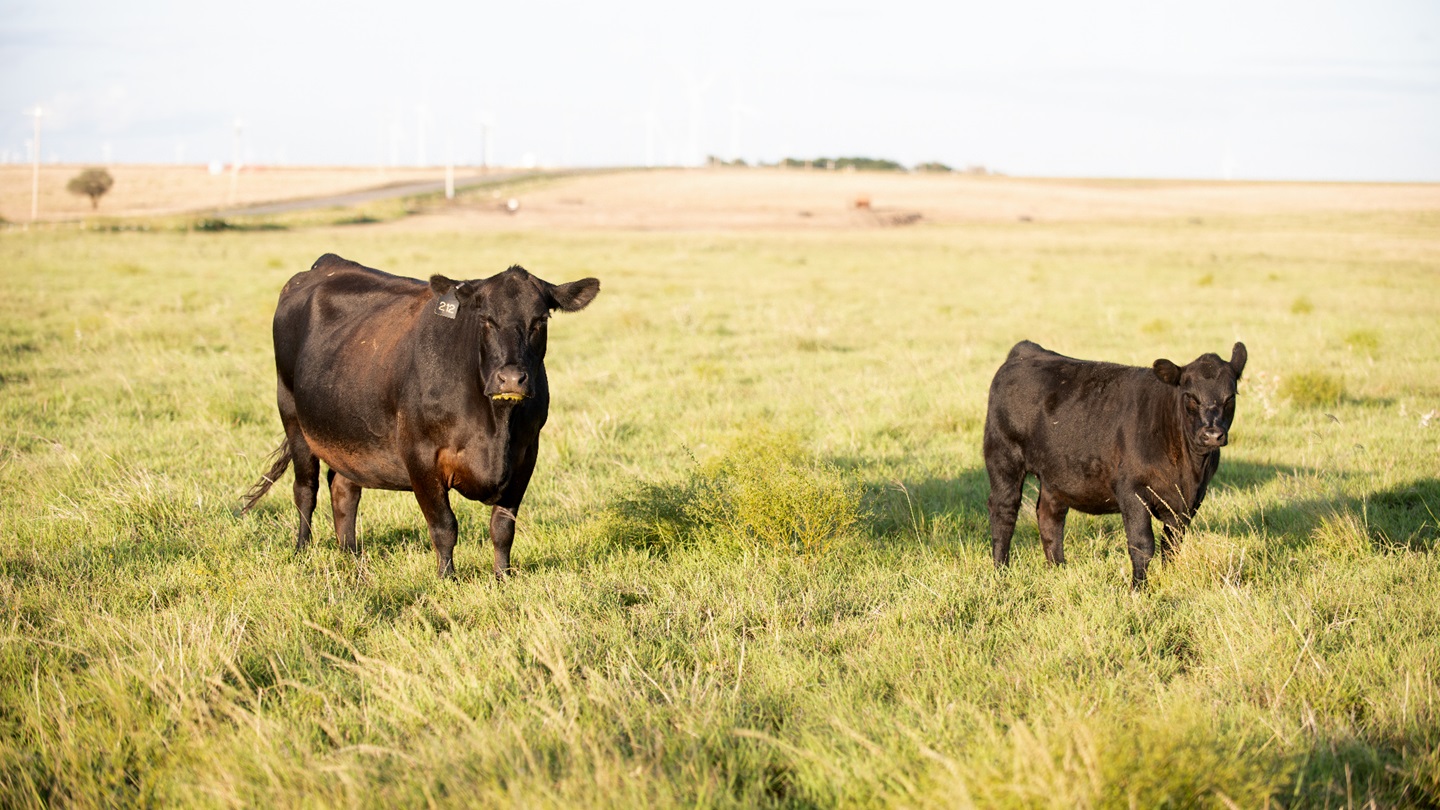

Traditionally, September is a month where the air is filled with the sound of cattle being weaned. For calves, this is a completely new experience, similar to a child’s first day of kindergarten. For our cows, we’re asking them to wean a calf while still caring for another baby in utero. Easy, right?
While there is a little social discomfort associated with weaning (and calves aren’t afraid to let you know about it), there are a number of methods deployed by cattlemen across the country to help their calves — and cows — come through weaning successfully. On this episode of Angus at Work, Ted Perry with Purina Animal Nutrition chats with the Angus Beef Bulletin team about the stressors both cows and calves go through at weaning, how we can alter our management to address stress, the role nutrition plays and how producers can implement a few strategies to set their cattle up for improved performance long past weaning.
The crux of the issue
Working in the cattle industry takes a special breed. As far as Perry is concerned, his role as the director of technical services for beef cattle at Purina Animal Nutrition means he’s living the dream.
“I get the opportunity to have the best job in the world,” he says. “I literally get to go all over the country working with producers on issues [or items] they may need. Pretty much anything to deal with Purina beef cattle, my team deals with it. We get to go all over the country working with producers on a daily basis.”
“One of the things that we tend not to think about is [that] when the calf is with the cow, the pecking order [revolves around mom’s] status in the herd. So if my mom’s the boss cow, then guess what? I get to be the boss calf.” — Ted Perry
Part of helping producers work through snags in their operation involves managing animal well-being and stress. It should come as no surprise that weaning is likely to be one of the most stressful times of the year for pairs. While both the cow and calf are experiencing stress, Perry says the weaning process is likely more stressful for the calf than the cow.
If you think about it, Perry says, until weaning, the lives of calves consist of hanging out with their mothers, drinking milkshakes, eating grass and doing whatever else they want with very few worries in the world. Then — all of a sudden — calves go through the weaning process and may not be sure where food is, how to get water, where their mother is and who’s in charge.
“One of the things that we tend not to think about is when the calf is with the cow, the pecking order [revolves around mom’s] status in the herd. So if my mom’s the boss cow, then guess what? I get to be the boss calf,” Perry explains. “When we wean, mom’s gone. So now we have to reestablish that whole pecking order, which is extremely stressful on the calves.”
Add in everything else going on and producers need to take as many steps as we can to reduce calf stress, so they bypass that stressful period as quickly as possible.
It starts with the gut
Perry tends to approach challenges from a nutritionist’s point of view. Making sure each calf has all the building blocks in place to ensure that it can get through the weaning stress and that the immune system is functioning at a maximum level is a small investment for producers that can yield impressive results.
“We’re learning more all the time, but one of the things that is really important for the immune system of that calf is mom’s programming,” Perry notes. “If you look at the fetal programming, that data that’s out there, is if we feed mom really well, that calf is developed to the best of its ability. Therefore, when it’s born, it’s as healthy and as heavy and active and [has as] robust an immune system as it can get.”
It wasn’t that long ago, Perry says, that research was being done regarding how much cattlemen could reduce feeding cows to try to lower calf birth weight. In theory this could potentially work, but skinny cow-calf pairs are weak pairs and the colostrum quality of lactating cows can be suspect.
Research now suggests feeding the cow so that she can feed the calf in utero and so that she has maximum colostrum quality. After all, a calf’s immune system needs to be at its best in order to make use of all of that colostrum.
What body condition score (BCS) should commercial cattlemen be targeting? Perry says keeping cows around a BCS 5.5-6, should mean cows are getting all of the nutrients they need to take care of themselves, the calf on the ground and the calf in utero. As a nutritionist, Perry says his job is to make sure the girls get what they need when they need it and just get out of their way.
Interested in learning more about fenceline weaning, vaccinations and why introducing cattle to lick tubs ahead of weaning can save some headaches? Listen to the full Angus at Work episode titled “Relieving the Stress of Weaning with Ted Perry,” available at https://bit.ly/4dlUPpt.
Editor’s note: The information above is summarized from the Oct. 15, 2025, episode of Angus at Work. To access the full episode — including more information on weaning, nutrition and herd management — check out our Angus at Work archive on www.angus.org. [Lead photo by Lynsey McAnally.]
Angus Beef Bulletin EXTRA, Vol. 18, No. 9-A
Topics: Animal Handling , Health , Nutrition , Management
Publication: Angus Beef Bulletin
Related Content


Current Angus Beef Bulletin
Our November issue focuses on the females of the herd and the records that validate them.