



Tyson Closes Two Plants, Puts One Up For Sale
Tyson Foods announces network restructuring for beef business to strengthen long-term performance.
August 17, 2026
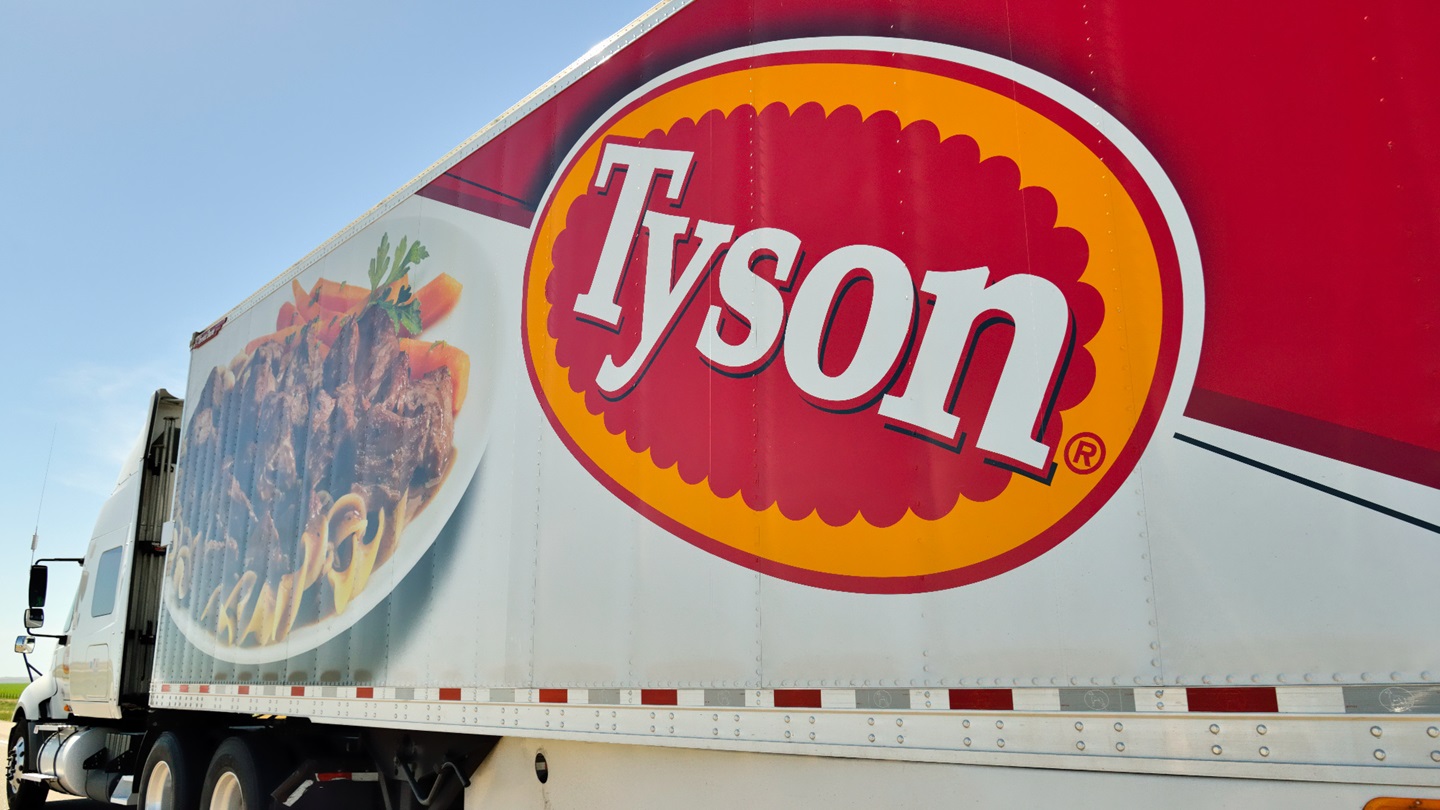

On Aug. 13 Tyson Foods announced strategic changes to its beef operations to position the company for long-term success.
According to a company news release, Tyson Foods will anchor its beef business around three strategically located beef facilities in the central United States — Dakota City, Neb.; Holcomb, Kan.; and Amarillo, Texas — to create a more competitive footprint amidst one of the most historic cattle shortages the country has experienced. Recent USDA cattle inventory data, which included continued evidence of limited heifer retention, indicates these supply constraints are likely to persist, requiring strategic action.
The company announced it will end operations at its Joslin, Ill., beef facility and its Eagle Mountain, Utah, case-ready facility. Capacity from these locations will be moved to more strategically located facilities with ample capacity to grow. Additionally, Tyson Foods is pursuing the sale of its Pasco, Wash., beef facility.
The company will ramp back up a second shift at its Amarillo, Texas, facility as cattle become available. Collectively, these changes will allow the company to maintain a similar level of cattle harvesting across a more efficient and modern network.
Tyson Foods said it recognizes the ramifications these decisions have on team members and communities. It is committed to supporting team members through the transition, including helping them apply for open positions at other facilities.
With these changes, Tyson Foods is ensuring it will continue to deliver high-quality, affordable and nutritious protein for generations to come.
In reaction to the announcement, National Cattlemen’s Beef Association (NCBA) CEO Colin Woodall said he was troubled by the closing of the Joslin facility.
“For many years, the plant has played a vital role in the Midwest beef supply chain, and its closure will significantly impact cattle producers, employees and rural communities across the region,” Woodall said. “We encourage Tyson to work closely with its longstanding customers to identify alternative marketing opportunities for their cattle.”
Woodall said he appreciated Tyson’s pursuit of a buyer for its Pasco, Wash., facility, calling it critical to cattle producers in the Northwest.
“These decisions underscore the significant challenges that historically low cattle inventories continue to create across the beef cattle industry,” Woodall said. “While we are disappointed by these developments, they also reinforce the importance of rebuilding the nation’s cow herd and maintaining adequate processing capacity to support cattle producers, strengthen market opportunities, and ensure a resilient beef supply chain for the future.”
Editor’s note: This article is compiled from news releases by Tyson Foods and NCBA. [Lead photo by River North Photography from Getty Images.]
Angus Beef Bulletin EXTRA, Vol. 18, No. 8-B
Topics: Events , Industry News , Marketing , News
Publication: Angus Beef Bulletin
Related Content


Current Angus Beef Bulletin
Our November issue focuses on the females of the herd and the records that validate them.