Benefits of Preconditioning Calves
Calves are bigger at a younger age, allowing them to go straight to the feedyard, but don’t overlook need for preconditioning.
August 5, 2026
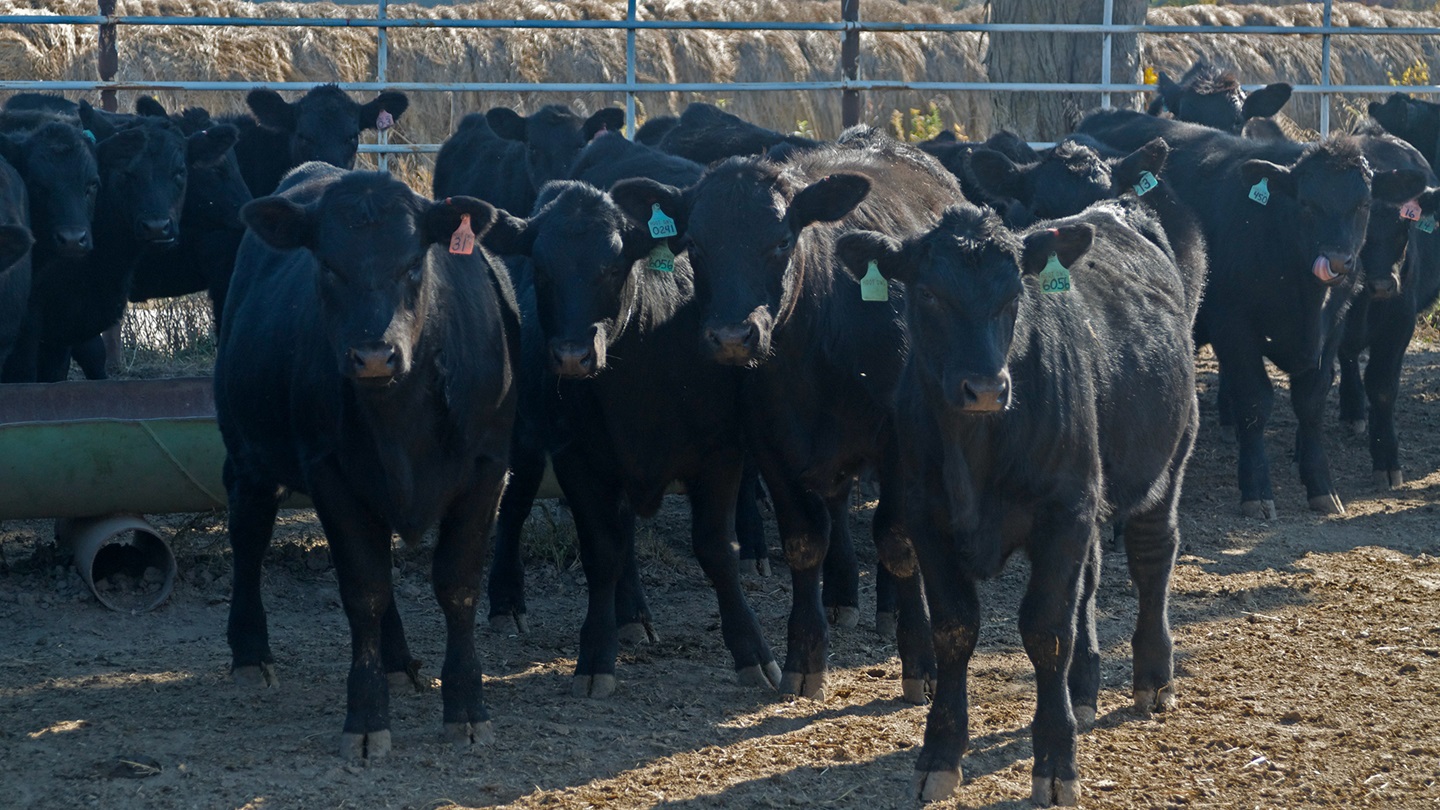

During the past few decades, preconditioning has changed the face of marketing calves. The more information a producer can give buyers, the better the calves sell. For instance, when video auctions started 35 years ago, before the internet, buyers merely received a printed sale book containing information about the calves offered. Now all the information is readily accessed online; the benefits of your preconditioning program are available to a lot more buyers.
Robert Wells, professor at the King Ranch Institute for Ranch Management, says preconditioning is important because it strengthens a calf’s immune system.
“Most of the calves that are going to feedyards right now are just calves; whereas, 30 years ago it was mainly yearlings, and calf feeding was a rarity. Now we’ve done such a good job with weaning weight and yearling weight EPDs (expected progeny differences), and pushing for growth, that the calves are bigger at a younger age,” he says.
Now we have many calves that are hitting the feedyard at less than a year of age, because they’re weighing 600 to 800 pounds (lb.) already. But even though they’re physically big enough, they haven’t had enough time to optimally develop their immune system.
“The preconditioning phase is really important. Not only are we going to feed them and set them up right nutritionally, but we also give them the vaccines and dewormers to make sure we’re setting them up for health on down the road,” he says. “Just as important as any of the vaccinations or additional nutrition is acclimating them to water and feeding systems, as well as getting them used to humans.”
On some big ranches there may not be any water troughs out on the range. The calves have been drinking from ponds or streams.
“If they have not seen a water trough, they don’t know what that is. We have to get them acclimated to drinking out of water troughs and eating from feedbunks, because when they leave your ranch, that’s what they’ll have. If they don’t know what that’s all about, there will be a period of time in which they’re nutritionally compromised.”
If they’re not drinking water, they’re not going to eat much feed.
“We can increase the value of that calf coming off the cow through a good preconditioning program, and weaning management built around the nutrition and health of that calf,” says Wells.
Editor’s note: Heather Smith Thomas is a freelance writer and cattlewoman from Salmon, Idaho. [Lead photo by Shauna Hermel.]
Angus Beef Bulletin EXTRA, Vol. 18, No. 8-A
Topics: Animal Handling , Feedstuffs , Health , Management , Nutrition
Publication: Angus Beef Bulletin
Related Content


Current Angus Beef Bulletin
Our November issue focuses on the females of the herd and the records that validate them.