



Can Your Receiving Program Handle the Heat?
Management priorities should focus on minimizing stress and promoting consistent intakes.
August 5, 2026

by Connor Biehler & Alfredo DiCostanzo, University of Nebraska Extension
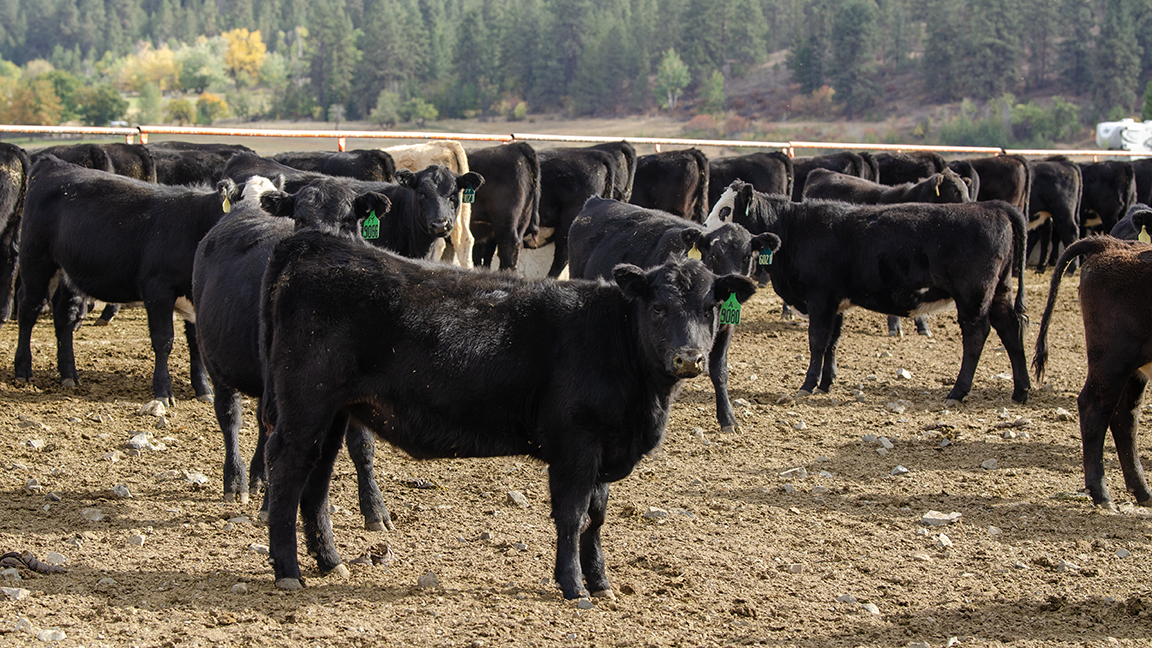
Late summer placement of feeder cattle presents a unique combination of challenges for feedlot managers. Elevated temperatures, transportation stressors, and arrival of high-risk, unweaned calves can collectively increase morbidity and reduce performance if not addressed appropriately. Decisions made during the receiving period, particularly those related to cattle type, environmental management and nutrition, have long-term effects on animal health, efficiency and overall profitability.
When high-risk calves enter the feedlot in the late summer, they face multiple stressors simultaneously. Transportation, commingling and abrupt dietary changes already weaken immune function. Coupling these stressors during heat events makes cattle more susceptible to bovine respiratory disease (BRD), dehydration/electrolyte imbalances and digestive disorders, which reduce feed intake.
Heat stress reduces feed intake and drives cattle to eat during the cooler times of the day, increasing intake variability and risk of acidosis. Elevated respiration rates and panting further reduce energetic efficiency, causing performance losses. The interaction of these stressors makes receiving management particularly critical during late-summer placements.
The first 14 to 21 days on feed are critical. Management priorities should focus on minimizing stress and promoting consistent intakes. Below are some ways to combat these stressors and get high-risk calves started off on the right foot.
Key management considerations
Water access and availability
- Water demand increases substantially during heat events.
- Ensure adequate tank space so all calves can access water (5% of cattle in the pen should be able to stand drinking comfortably).
- Verify that flow rates meet the cattle’s demand for water (from 10 gallon/minute up).
- Add additional water space by adding a temporary stock tank during extreme heat to reduce competition and increase intake.
Bunk management
- Maintain consistent feed delivery (and considering keeping intakes at below appetite) to limit intake variation.
- Utilize palatable receiving diets with adequate roughage to support rumen stability and reduce incidence of acidosis.
- Avoid overly aggressive intake bumps, especially when feed intake is erratic.
Timing of processing
- Delay processing until calves are hydrated and have had time to adapt to their pen.
- Work cattle during the coolest part of the day (early morning).
- Minimize time in handling facilities to reduce stress and heat load.
Environmental management
- Provide shade to reduce heat stress.
- Properly meet the correct stocking density per pen to allow airflow and adequate access to bunks and water.
- Control the dust to limit respiratory irritation and additional BRD risk.
- Aggressively reduce other stressors such as flies and weeds around pens.
- Be prepared to bed 20-40 square feet per head on highest (coolest) spots in the pen to permit cattle to bed down after arrival.
Performance of calves received in late summer is driven by getting them started off on the right foot. Receiving programs that prioritize consistent intake, hydration and heat mitigation are better positioned to reduce morbidity and maintain performance. During times of extreme heat, success is less about pushing cattle and more about getting them adapted and keeping them comfortable.
Editor’s note: Connor Biehler and Alfredo DiCostanzo are University of Nebraska Extension educators. [Lead photo by Shauna Hermel.]
Angus Beef Bulletin EXTRA, Vol. 18, No. 8-A
Topics: Feedyard , Health , Management
Publication: Angus Beef Bulletin
Related Content


Current Angus Beef Bulletin
Our September issue focuses on the females of the herd and the records that validate them.