



Non-bloating Legumes
Bird’s foot trefoil, cicer milkvetch and sainfoin offer alternatives for grazing to alfalfa.
July 23, 2026
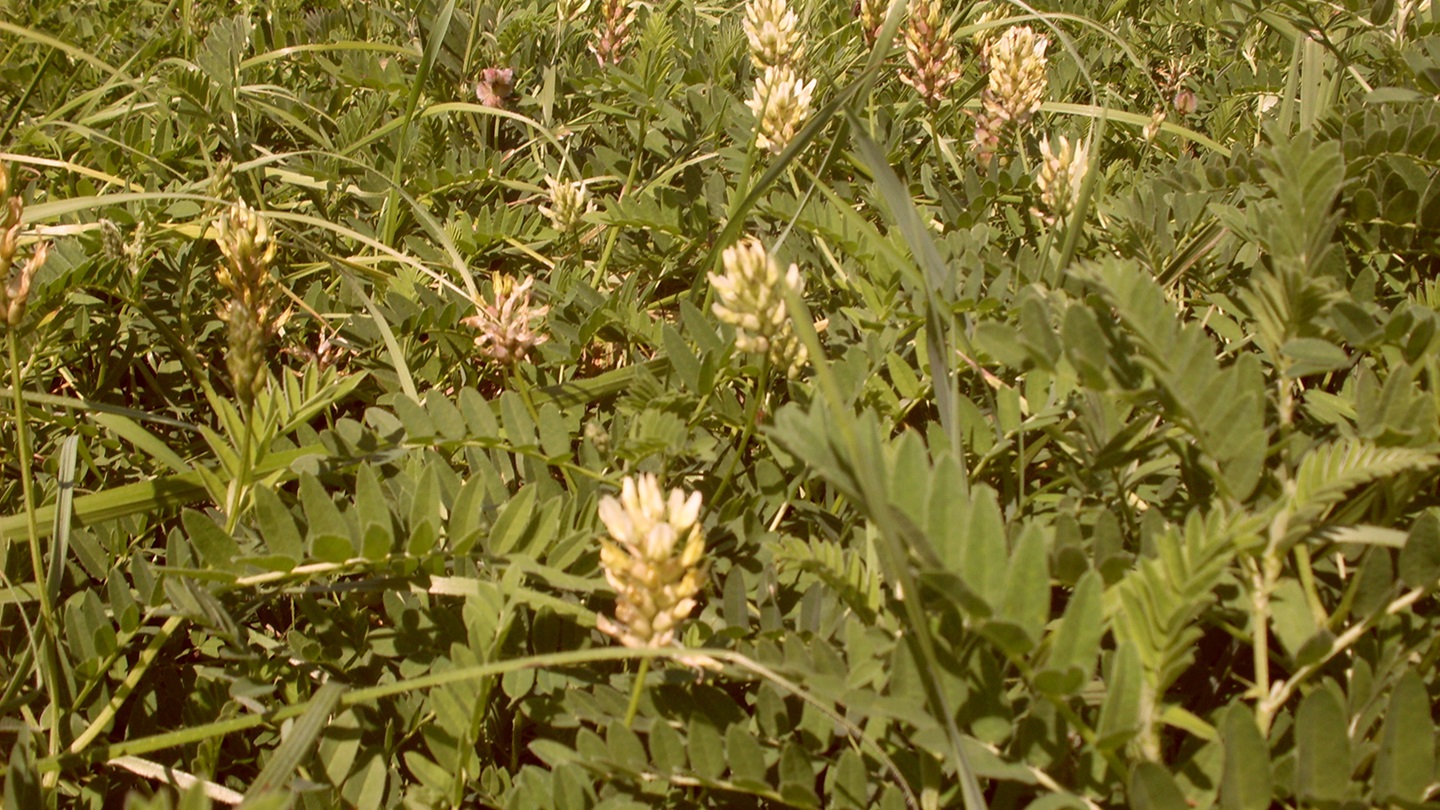

Legumes are often important in cattle diets because they are generally higher in quality, with more protein and other nutrients than some grasses. The problem with one of the most common legumes grown for livestock feed — alfalfa — is its tendency to cause bloat, especially when grazed, and it can be quite risky under certain conditions. A lot of research has been done on non-bloating legumes and on trying to develop alfalfa varieties that are less risky when grazed.
Earl Creech, professor and extension agronomist at Utah State University, has done some work with bird’s foot trefoil, sainfoin and cicer milkvetch.
“Bird’s foot trefoil grows really well in the Intermountain West and does best in the hottest time of the year. Alfalfa grows better in the early and later part of the growing season, but bird’s foot trefoil loves the heat. It doesn’t get very tall, so it doesn’t do as well for haying, but it grows well in pastures,” he says.
“I think the key to bird’s foot trefoil is letting it go to seed. In our environment here in northern Utah, you have to let it flower and not graze it during September-October until it can reseed itself. That’s how you get persistent stands. One of the complaints about bird’s foot trefoil is that the stands don’t last long, but that’s only because people are grazing it too heavily late in the year and not allowing it to go to seed.”
Cicer milkvetch has the drawback of being very slow to establish. It usually takes two years to get it going, but once it is established it is very productive and grows very well — and grazing livestock really like it.
Sainfoin and cicer milkvetch don’t require quite as much water as some of the other forage crops, Creech says. “They usually need some irrigation or rainfall during the summer, but they have more drought tolerance than bird’s foot trefoil that needs full irrigation or some rainfall throughout the growing season.”
Creech says they’ve conducted research with these legumes in mixtures, some with USDA, and published results.
“Basically, when you grow a 50-50 mix of grass and non-bloating legumes or grass with alfalfa, you can actually get as much forage production as you would get by applying nitrogen fertilizer to a pure grass stand,” he says. “In a year like this, where nitrogen fertilizer is very expensive, you can save that expense if it’s a mix and still get excellent forage production. The legume supplies the necessary nitrogen.”
Editor’s note: Heather Smith Thomas is a freelancer and cattlewoman from Salmon, Idaho. [Lead photo by Bart Lardner.]
Angus Beef Bulletin EXTRA, Vol. 18, No. 7-B
Topics: Management , Nutrition , Pasture and Forage
Publication: Angus Beef Bulletin
Related Content


Current Angus Beef Bulletin
Our September issue focuses on the females of the herd and the records that validate them.