



Farmer Losses Projected to Deepen
While cattle prices are record high, row crop farmers are facing projected severe losses.
July 23, 2026

by American Farm Bureau staff
Several years of high inflation and low commodity prices, coupled with volatile production costs, are continuing to squeeze farmers financially. These forces are projected to hit farmers with $32 billion in losses for the major row crops in 2027 after a projected loss of $31 billion in 2026. Fruit, vegetable, nut and other specialty crop farmers faced billions of dollars in losses in 2025, with difficult market conditions continuing throughout 2026. American Farm Bureau Federation (AFBF) economists analyzed the losses felt across the farm economy in the latest Farm Bureau Intel .
The Farm Bureau Intel states, “Corn losses are projected to increase from $131 per acre in 2026 to $167 per acre in 2027. Soybean losses are projected to increase from $80 per acre to $138 per acre, wheat losses from $114 per acre to $145 per acre and cotton losses from $342 per acre to $406 per acre. Rice, sorghum, oats, barley and peanuts are also projected to remain below breakeven.”
Specialty crop producers are facing many of the same cost and market pressures. The Farm Bureau Intel outlines six representative specialty crops — almonds, apples, blueberries, lettuce, potatoes and strawberries — with “over $7 billion in estimated 2025 economic losses as labor, input, compliance and capital costs outpaced farm-level returns. Available 2026 market data show that conditions for specialty crop producers have not broadly improved.” These crops account for only about one-quarter of specialty crop receipts.
AFBF President Zippy Duvall sent a letter to congressional leaders July 16, 2026, in support of market relief. Cumulative uncovered losses across the farm economy exceed $12 billion and are being felt across many sectors of agriculture.
“Farms support rural communities as well as the jobs that keep those communities strong,” he wrote. “Every farm lost takes with it generations of knowledge, community leadership, and the heartbeat of local economies. As those farms disappear, America’s food security is put at greater risk.”
Longer-term policy solutions are also needed to strengthen the farm economy beyond immediate assistance. A new, modernized farm bill, protecting interstate commerce, risk management coverage for specialty crop farmers and policies like year-round E15 can help improve demand and reduce the risk of more farm closures.
Read the letter to Congress here.
To subscribe to Farm Bureau Intel, click here.
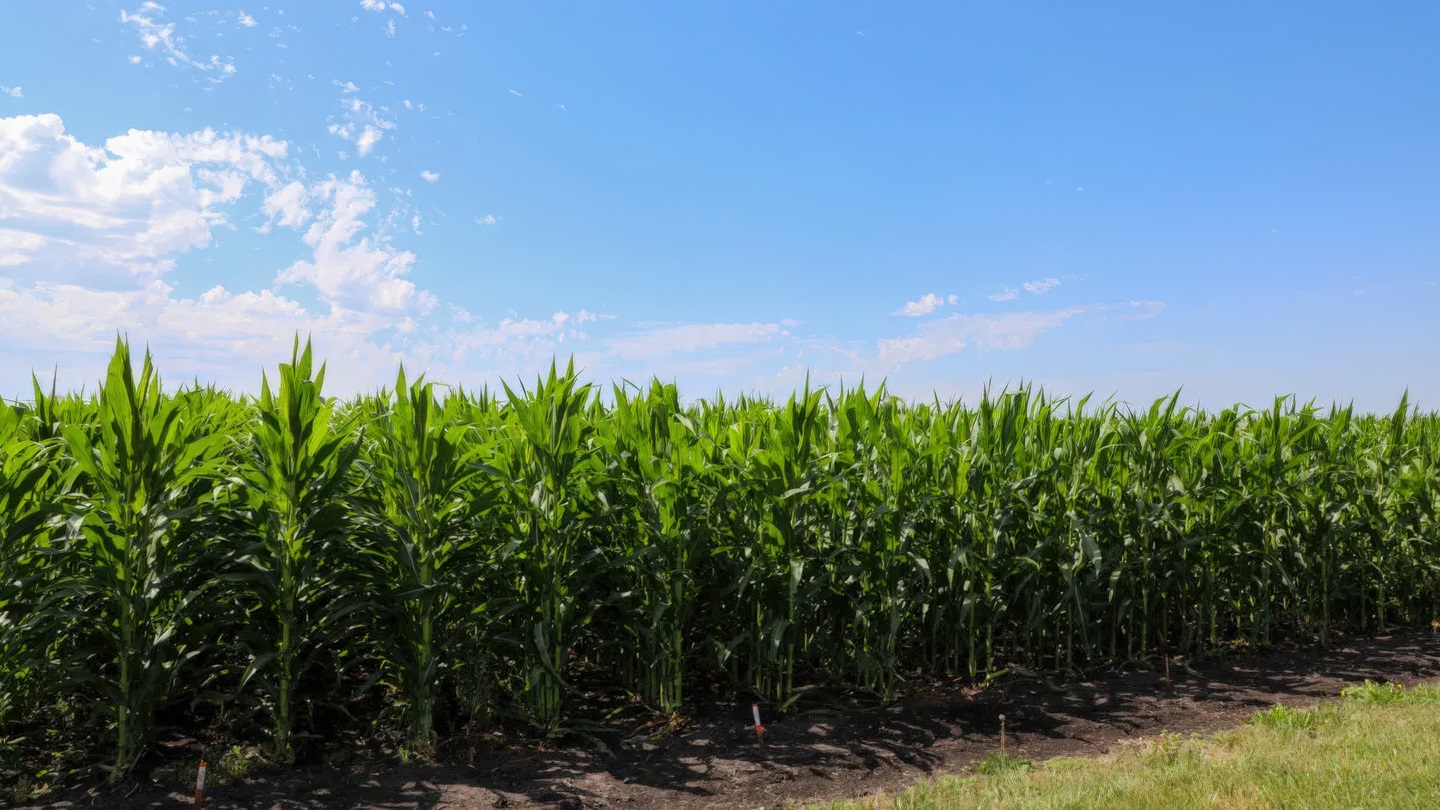
Editor’s note: [Lead photo by Right Eye Digital, used with permission.]
Angus Beef Bulletin EXTRA, Vol. 18, No. 7-B
Topics: Business , Industry News , Management , News
Publication: Angus Beef Bulletin
Related Content



Current Angus Beef Bulletin
Our September issue focuses on the females of the herd and the records that validate them.