


Why Dental Care Matters for Horses
Horses’ teeth do not grow endlessly, a common misconception, making routine dental care critical to longevity.
March 3, 2026

by Texas A&M University Veterinary Medicine & Biomedical Sciences
Dental problems are common in horses and can affect nearly every aspect of their daily life — from eating, grazing and maintaining body condition to performing comfortably under the saddle.
Because horses spend the majority of each day chewing and grinding fibrous forage, their teeth are constantly wearing. While this process is a normal part of equine life, uneven wear can lead to sharp points, fractures and other abnormalities that can cause pain and can interfere with overall health and well-being if left untreated.
Complicating matters, as prey animals, horses instinctively hide signs of discomfort, allowing dental issues to progress unnoticed until they begin to affect chewing, digestion, behavior or performance. Without care, dental disease can progress and can jeopardize the health of the horse.
This delayed recognition is especially concerning because a horse’s teeth do not grow endlessly, as is commonly believed. Rather, each adult tooth has a fixed reserve that gradually erupts over time to replace what is worn down.
Once that reserve is depleted, there is no way to replace it, making early detection and routine dental care essential for preserving long-term oral health.
Kyle Johnson, a clinical assistant professor at the Texas A&M College of Veterinary Medicine and Biomedical Sciences, explains the most common dental concerns seen in horses and why routine dental care with a veterinarian is essential to your horse’s health.
Common dental problems
One of the most common dental issues in horses is sharp points that develop on the cheek side of upper teeth and the tongue side of the lower teeth.
“These sharp points form naturally over time as a result of jaw shape and the way horses chew,” Johnson says. “If left uncorrected, these points can cause trauma inside the mouth, mainly the cheeks and tongue, and can be a considerable source of pain for horses.”
To address these sharp points, veterinarians perform a procedure known as “floating,” which smooths the teeth using a specialized, battery-operated instrument.
Horses can also experience other dental issues, including fractured teeth and periodontal disease.
“Because of the unique anatomy of the equine skull, dental disease can advance and affect the sinuses,” Johnson says. “These cases can require prolonged, and often expensive, treatment.”
Signs of dental disease
Dental problems in horses can be difficult to detect, but one of the earliest warning signs is a behavior known as quidding, when partially chewed feed or hay is dropped while eating.
“Quidding occurs when a horse cannot chew properly and is often the first sign that there’s an issue in the mouth,” Johnson says. “The dropped food often looks like a small bird’s nest on the ground.”
When chewing is impaired, horses may also swallow feed before it’s adequately broken down, which can result in long pieces of hay or grass in the manure.
“Poor chewing can be particularly problematic, as it can cause a horse to choke or increase the risk for certain types of colic,” Johnson says.
In more advanced cases of dental disease, horses may lose weight or show discomfort while being ridden, including head shaking, reluctance to the bit, or holding the head in an abnormal position to avoid pain.
Additional signs of dental disease may include:
- chewing with the head tilted to one side;
- making a slurping sound while eating;
- halitosis (bad breath);
- nasal discharge; and
- swelling along the nose or under the jaw.
The right care
Unlike dogs and cats, horses have limited options for at-home dental care. As a result, working with a veterinarian is essential for ensuring a horse’s teeth and oral health are properly managed.
“Oral and dental health are extremely important to a horse’s overall health and welfare,” Johnson says. “Dental exams should be part of their routine wellness program, alongside regular vaccinations and deworming.”
Most horses should receive an oral examination once a year as part of their routine care. However, senior horses — generally those over 15 years old — should be examined every six months, as dental problems become more common with age.
Because horses have a fixed amount of tooth, routine dental care plays a critical role in preserving how long their teeth remain functional. Regular examinations allow veterinarians to identify and correct uneven wear early, helping teeth wear more evenly and reducing unnecessary loss of tooth structure.
When it comes to dental care, Johnson cautions horse owners to carefully consider who is providing these services. Some individuals claim to be equine dentists without being licensed veterinarians, often performing treatments without proper sedation — a practice that can put both horses and handlers at risk.
“Horse owners should be wary of non-veterinarians offering dental care services,” Johnson says. “Only veterinarians who’ve completed extensive training after veterinary school and are board certified by the American Veterinary Dental College can claim the title of equine dentist.”
That said, most horses do not need to see a board-certified equine dentist for dental care.
“Your veterinarian is best suited to provide for your horse’s oral and dental health,” Johnson says. “They have both the knowledge and equipment, including appropriate sedation, needed to thoroughly examine a horse’s mouth and safely provide treatment as necessary.”
With routine veterinary care, dental issues can be identified and managed early, helping preserve tooth function and prevent unnecessary pain. By making dental exams part of a horse’s wellness routine, owners can help ensure their horses remain comfortable, healthy and able to do their jobs well throughout their lives.
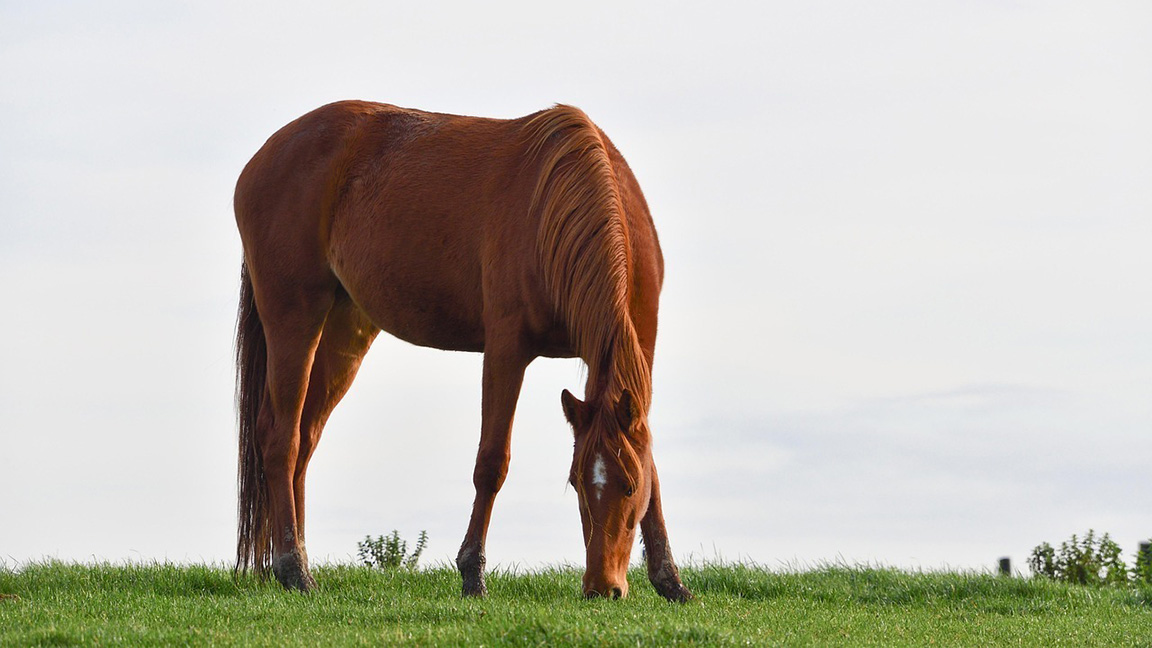
Editor’s note: This article is provided by Texas A&M University Veterinary Medicine & Biomedical Sciences. [Lead photo by Texas A&M University.]
Angus Beef Bulletin EXTRA, Vol. 18, No. 3-A
Topics: Health , Management , Nutrition
Publication: Angus Beef Bulletin
Related Content


Current Angus Beef Bulletin
Our September issue focuses on the females of the herd and the records that validate them.