



Preventing Fog Fever
K-State beef cattle experts respond to a listener question about preventing and managing fog fever in cattle.
January 21, 2026
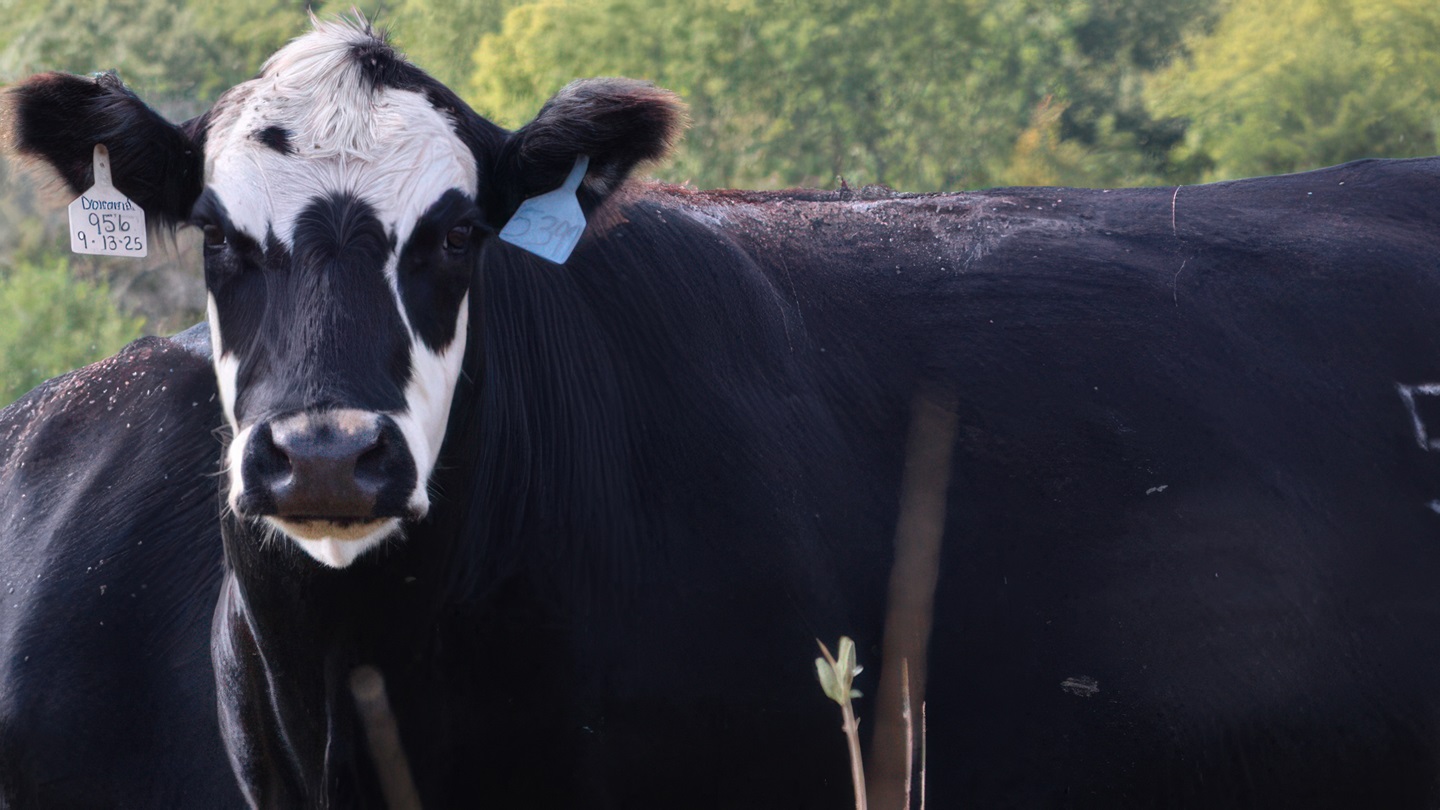
Beef cattle experts say preventing fog fever in cattle requires paying attention to forage. [Photo courtesy of K-State Extension.]

by Chevy-Lynn Vaske, Kansas State University Extension
Fog fever, a rapid-onset respiratory disease in cattle, is most commonly associated with sudden forage changes during the grazing season. In a recent Cattle Chat podcast episode, Kansas State University (K-State) beef cattle experts discussed how producers can recognize risk factors early and implement management strategies to reduce losses due to fog fever.
Also known as acute bovine pulmonary emphysema and edema (ABPEE), fog fever typically affects adult cattle within days of being moved from dry or low-quality forage to lush, high-protein pastures — particularly in the spring and fall.
The sudden dietary change triggers bacterial production of a compound that damages lung tissue, leading to severe breathing difficulties, frothing at the mouth, anxiety and, in many cases, death. The experts suggest there is no specific cure once clinical signs develop, placing emphasis on prevention.
“Understanding how cattle adapt to forage changes is key,” says K-State toxicologist Todd Gunderson. “If producers gradually introduce cattle to lush pasture — starting with only a few hours of access per day — it gives the rumen microbes time to adjust, which can significantly reduce the risk of fog fever.”
The experts highlight nutritional practices that help support rumen adaptation prior to turnout.
“Feeding quality dry hay for several days before grazing lush growth gives cattle a fuller rumen and slows the abrupt shift in diet that often triggers fog fever,” Gunderson says.
Prevention suggestions from the team include:
- Introduce lush forage gradually. Begin with limited grazing hours and increase exposure over 10–14 days to allow rumen microbes to adapt.
- Provide dry hay ahead of turnout. A full rumen at pasture entry helps prevent overeating high-protein grasses that can lead to toxin formation.
- Consider ionophores when appropriate. Technologies such as monensin can moderate ruminal fermentation patterns, potentially lowering risk during transitions, but should be used in consultation with a veterinarian.
- Manage pasture timing. Delaying grazing of lush regrowth until after frost or cutting it for hay first can lessen exposure to high tryptophan levels.
Fog fever’s rapid onset and high mortality rate mean producers must be proactive. Although there is no proven effective treatment once severe signs develop, careful management strategies can drastically reduce the likelihood of outbreaks.
To learn more about this topic or others, check out the Beef Cattle Institute’s Cattle Chat podcast. For questions, reach out on social media or send an email to bci@ksu.edu.
Editor’s note: Chevy-Lynn Vaske is content marketing specialist for K-State Extension.
Angus Beef Bulletin EXTRA, Vol. 18, No. 1-B
Topics: Health , Pasture and Forage , Management
Publication: Angus Beef Bulletin
Related Content


Current Angus Beef Bulletin
Our September issue focuses on the females of the herd and the records that validate them.