




Trace Minerals Are Crucial for Calf Health
How to ensure calves get acceptable mineral amounts.
September 7, 2023
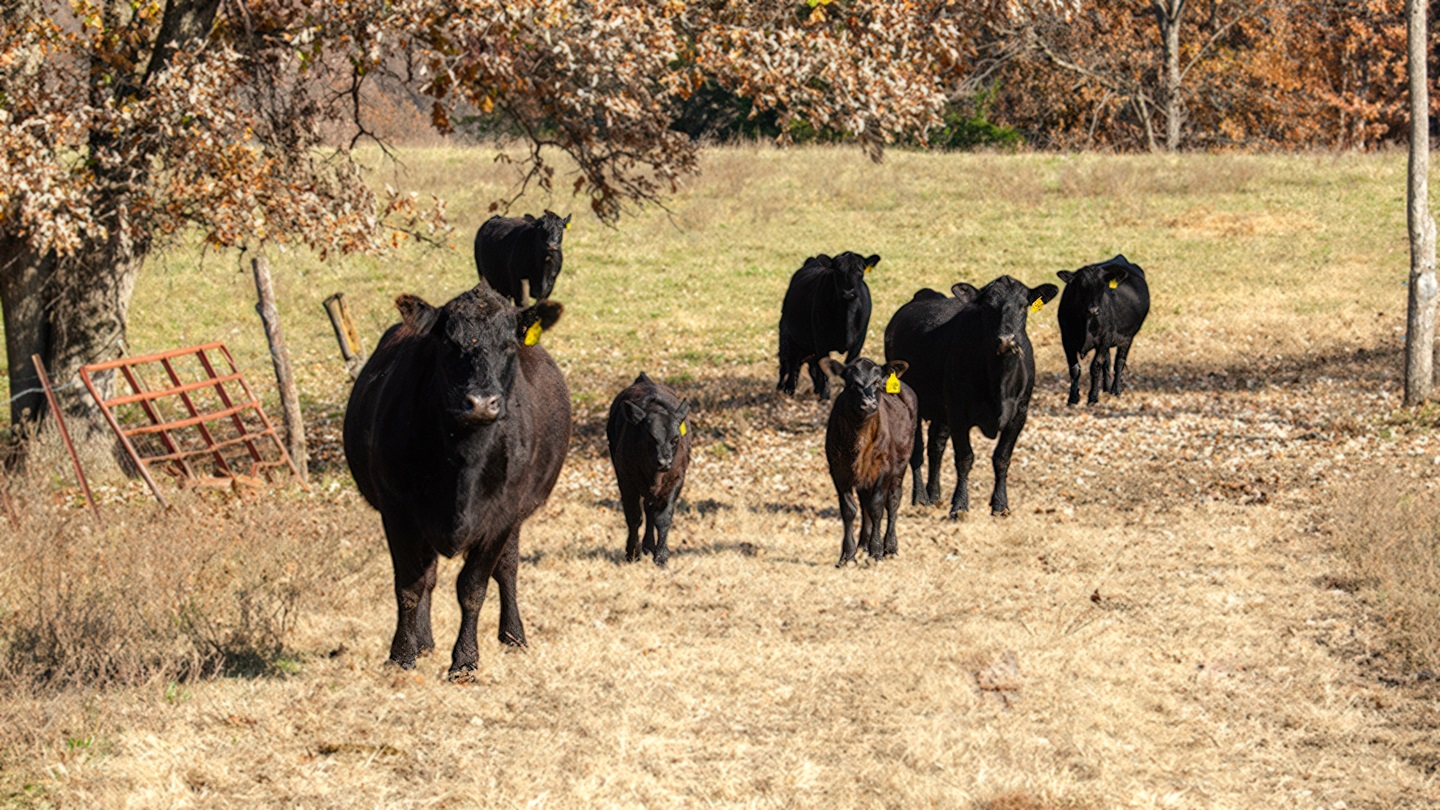

Adequate levels of copper (Cu), zinc (Zn), manganese (Mn) and selenium (Se) are crucial for a healthy immune system. The trace-mineral status in a pregnant dam is reflected in her calf. Poor or deficient trace-mineral status of the cow or heifer may increase risk of disease; lead to birth defects of weak calves; or, in the case of severe deficiency, result in abortion. Cattle that are low in trace minerals don’t have a strong immune system; so, not only are they vulnerable to disease, they cannot mount a good immune response when vaccinated.
Stephanie Hansen, professor of beef feedlot nutrition at Iowa State University, was part of a research team that looked into manganese deficiency in calves in the Midwest. During her master’s work at North Carolina State University, she studied the effects of manganese deficiency and reproduction in beef heifers.
“Those heifers were still able to breed and have normal pregnancies; but, when they calved, many of their calves exhibited classical signs of manganese deficiency,” she says.
The calves had short noses, she continues. The nose is made of cartilage, and manganese is crucial to cartilage formation. The calves had underdeveloped nasal passages, so their noses were not as long as a normal calf’s nose, and it made their lower jaw look too long. In actuality, the lower jaw was normal; the nose was too small.
The manganese-deficient calves were also shorter in height
“Gestation is a critical time for manganese to be adequate because the fetus is growing so rapidly,” Hansen explains. “Bone development and cartilage formation require adequate levels of manganese.”
“Gestation is a critical time for manganese to be adequate because the fetus is growing so rapidly.” — Stephanie Hansen
Some of the calves born in her study resembled disproportionate dwarfs, she recalls. “We had some 50-pound (lb.) calves born from 1,400-pound cows, which was unusual.”
Hansen remembers a year she got multiple phone calls from veterinarians and other folks in Iowa and surrounding states saying they had calves that looked manganese-deficient. She found extensive incidence of manganese deficiency in cattle that had been fed almost exclusively corn silage during the winter. The corn silage was contaminated with soil. The iron in the soil is made available during silage fermentation and competes with manganese for absorption in the body.
Producers need to assess all parts of the diet. If some ingredients contain molybdenum (Mo), sulfur (Su) or high levels of iron (Fe), they need to be aware that this could skew the mineral balance by tying up important trace minerals, reducing the amounts absorbed by the animal.
This is why an injectable trace-mineral product can be beneficial; it bypasses the gut. The injectable product, administered at the appropriate dose, is insurance each animal gets what it needs.
Trace minerals support calfhood vaccination
A study done by Christopher Branum at Texas A&M University revealed that baby calves from beef cows with normal mineral levels have reduced mineral levels in the liver by about 75% by the time they reach 56 days of age. The calf is growing rapidly and uses a lot of those minerals for building tissue, but cow’s milk is very low in trace minerals.
This is why producers are sometimes disappointed with calf vaccination. When we vaccinate a calf, that animal also uses more trace minerals in the effort to mount an immune response.
“Now we have two things that are happening at the same time — a vaccine response that is inadequate and won’t produce much protection, and we’ve also sucked a lot of minerals out of that calf to get that poor response — and end up with a calf that’s very susceptible to disease,” explains Branum.
Supplementation is necessary for calves, since milk won’t have adequate trace minerals. Calves may sample the mineral you put out for cows, but may not consume enough, especially in the first 90 days. The same principle applies at weaning, when calves are stressed and not eating oral trace minerals. This is why it often helps to put an injectable product into those calves when they are vaccinated. Then you know that each calf received trace minerals — at the right time.
Editor’s note: Heather Smith Thomas is a freelance writer and cattlewoman from Salmon, Idaho.
Angus Beef Bulletin EXTRA, Vol. 15, No. 9-A
Publication: Angus Beef Bulletin
Related Content


Current Angus Beef Bulletin
Our September issue focuses on the females of the herd and the records that validate them.