



Summit Advances Priorities to Strengthen Livestock Industry
Common Ground Coalition concludes regional series in Fort Worth.
September 8, 2026
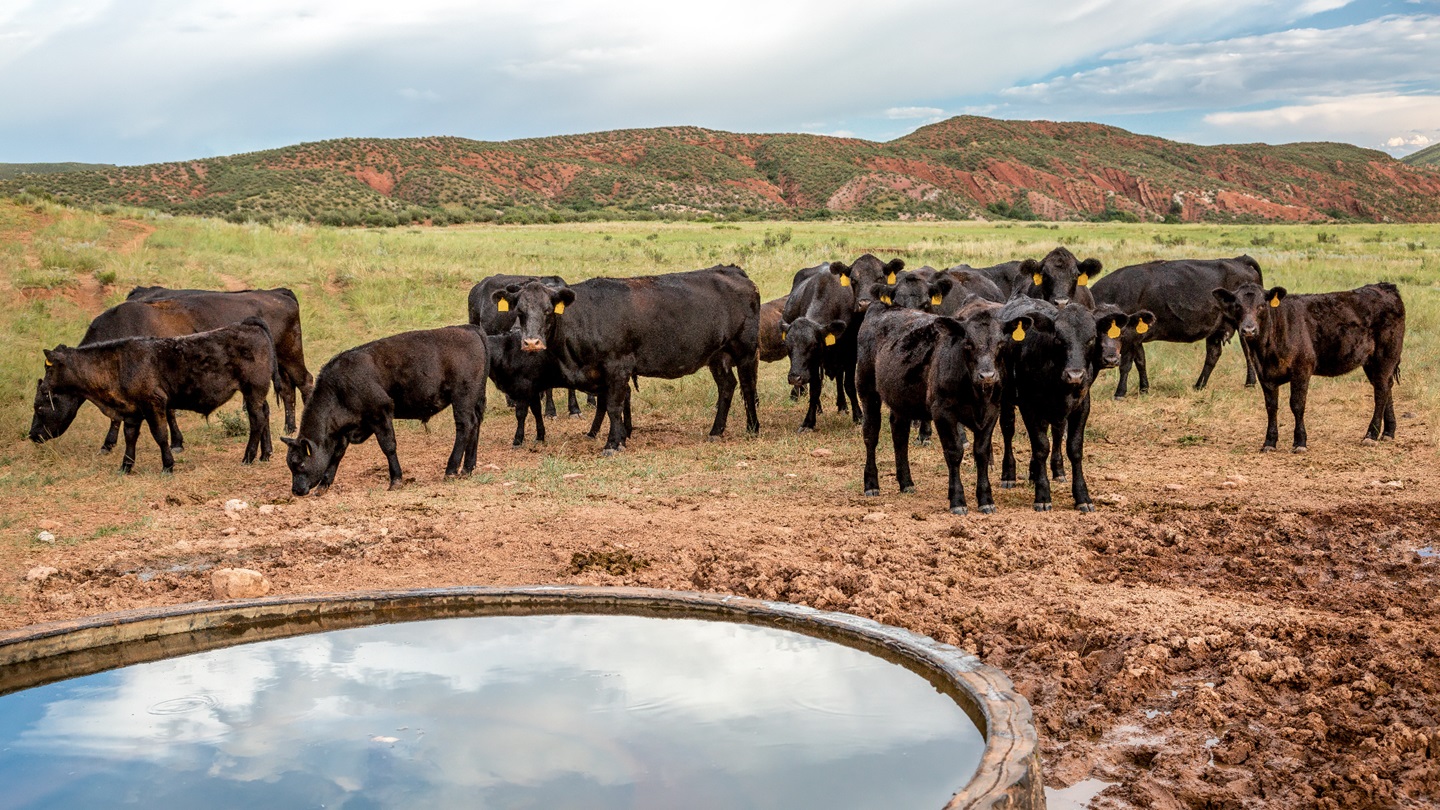
Open range cattle grazing at foothills of Rocky Mountains in northern Colorado. [Lead photo by marekuliasz from Getty Images.]

by Kristen Parman, Livestock Marketing Association
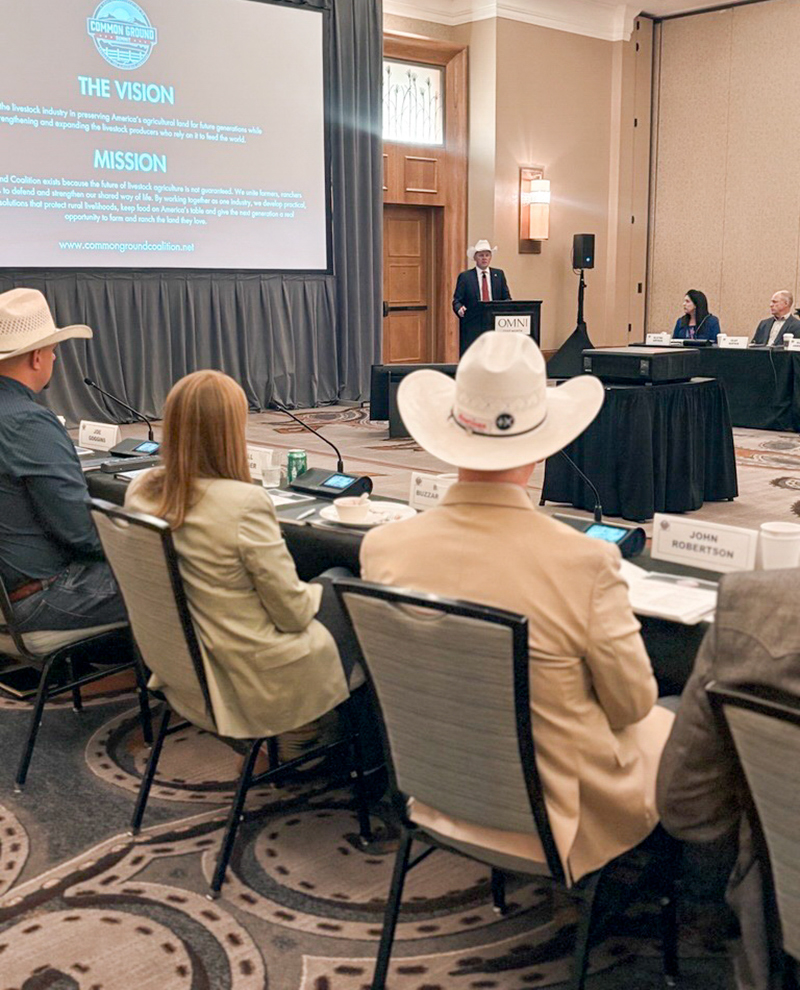
The Common Ground Coalition continued its regional summit series in Fort Worth, bringing together livestock industry participants from across the Southern Plains and beyond to identify practical solutions that strengthen the livestock industry.
As attendees gathered, recent market instability and ongoing discussion about the president’s beef import actions remained top of mind. While participants acknowledged the uncertainty these issues create for producers, the focus remained on developing long-term strategies to keep American farms and ranches in production, strengthen rural communities and support the future of the domestic livestock industry.
Building on outcomes from earlier regional discussions, the event focused on the resources livestock producers need to enter, remain and grow in the industry. Through think-tank style discussion, attendees advanced priorities related to capital, land, water, labor, risk management and generational transition, while also identifying opportunities to strengthen animal-health preparedness, transportation policy, food safety standards and access to reliable market information.
Jeremy Kinder, a founding member of the coalition and a cattle producer from Oklahoma, said a sense of urgency was central to the discussion.
“They need access to land, capital, labor and risk-management tools, and they need people in this industry willing to help them get a foothold before the opportunity is gone.”
— Jeremy Kinder

Shared priorities from the summit include:
- Modernize ag lending and expand access to capital. Participants supported improving Farm Service Agency (FSA) staffing, livestock expertise, customer service and program requirements to better reflect current production costs and the needs of new and beginning producers. They also encouraged development of livestock-specific financing, greater participation by local ag lenders, private investment and food security bonds tailored to livestock operations.
- Pair financing with education and mentorship. The group encouraged combining access to capital with mentorship, business planning and risk-management education to help producers build successful ag businesses.
- Preserve and expand working lands for livestock production. Participants called for increasing access to grazing opportunities on public and private lands, returning appropriate cropland and conservation acres to forage and livestock production, and advancing policies that support herd growth. Recommendations also emphasized protecting private property rights, preserving landowner flexibility, promoting livestock-friendly conservation easements, limiting harmful uses of eminent domain and addressing the conversion of productive agricultural land to nonagricultural uses.
- Protect water resources essential to livestock production and food security. Participants emphasized the importance of affordable water access, secure water rights, and adequate supplies to support livestock operations and future growth. Recommendations also included protecting ag water resources through responsible cleanup of orphaned and abandoned oil and gas wells, strengthening oversight and enforcement efforts, and advancing water-treatment solutions that help preserve and extend available water supplies.
- Support tax policies that keep land and businesses in agriculture. Recommendations included modernizing Section 2032A special use valuation and capital gains policies, encouraging reinvestment in livestock operations and helping ag businesses transfer to family members, employees and qualified emerging producers.
- Create pathways for the next generation of livestock producers. Participants supported internships, apprenticeships, mentorships, trade schools, veteran-transition programs, and partnerships with 4-H and FFA to introduce more people to careers in agriculture. Recommendations also included practical startup resources and business education, expanded opportunities through shared ownership, leasing, profit-sharing and phased-transition models, and the formation of a first-generation producer task force to identify successful pathways into agriculture and recommend ways to expand them.
- Improve rural infrastructure and ag employee benefits. Participants emphasized access to healthcare, education and other rural infrastructure needed to attract workers, support businesses and help families remain in rural areas. They also encouraged using agriculture’s collective buying power to improve access to health insurance and retirement plans.
- Expand access to a reliable and flexible ag workforce. Participants supported reforming agricultural guest worker programs by replacing the H-2A seasonal requirement with a temporary-worker standard, expanding eligibility to livestock auction markets, feedyards and other service-based ag businesses, and simplifying program requirements. The group also encouraged private-sector solutions such as labor pools, workforce cooperatives and third-party staffing services to help ag businesses meet short-term, seasonal and long-term labor needs.
- Improve Livestock Risk Protection (LRP) affordability and relevance. Priorities included keeping coverage simple and practical, increasing premium assistance up to 80%, developing coverage for beef breeding females and cull cows, and expanding LRP education for producers, lenders, FSA staff and insurance agents.
- Improve livestock transportation rules. Participants called for expanded livestock hauling flexibilities by supporting consistently higher truck-weight limits across states and preserving hours of service exemptions to improve transportation efficiency, reduce compliance burdens, and protect animal welfare.
- Strengthen animal health, food safety and consumer confidence. Participants supported requiring imported beef to meet the same food-safety standards as U.S. beef and called for clear labeling and supply-chain transparency. Recommendations also included expanding veterinary capacity, improving foreign animal disease preparedness, strengthening accountability within animal-health agencies, and advancing research on ticks, Theileria, alpha-gal syndrome and other production-limiting animal-health challenges.
- Improve access to reliable market information. The group emphasized the need for trustworthy market information and stronger efforts to address false or misleading information, including AI-generated content, that can affect markets and public confidence.
Kansas cattle producer Mike Simon said the recommendations reflected a concern heard throughout the summit: stopping the loss of independent livestock producers and whether the next generation will have a real opportunity to stay in livestock production.
“This is about keeping independent livestock producers in business and whether our kids and grandkids — and the young people who weren’t born into agriculture but have the passion to be here — will have a real chance to come back to the land,” Simon said. “If we do not create that opportunity, we will lose more than ranches. We will lose a way of life.”
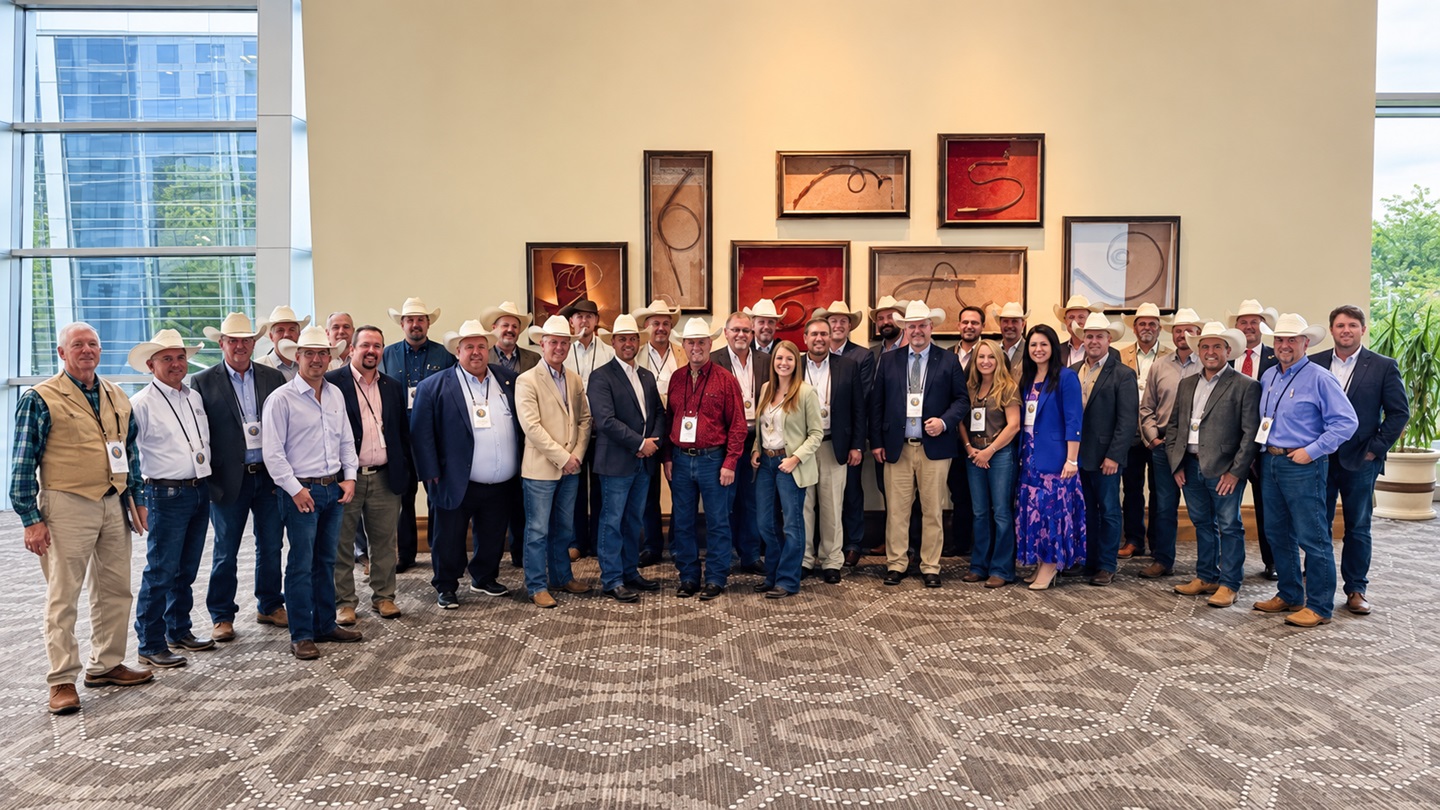
As attendees gathered, recent market instability and ongoing discussion about the president’s beef import actions remained top of mind. While participants acknowledged the uncertainty these issues create for producers, the focus remained on developing long-term strategies to keep American farms and ranches in production, strengthen rural communities and support the future of the domestic livestock industry. [Summit photos courtesy of Common Ground Coalition.]

With the regional summit series now complete, coalition leaders and participants will evaluate recommendations from across the country to identify immediate priorities and long-term opportunities. The outcomes will be shared with the goal of supporting organizations and individuals in their efforts to strengthen American agriculture. In the near-term, participants noted that the coalition’s recommendations could help shape practical changes to the LRP program to support herd rebuilding, retention and growth.
Editor’s note: This article was provided by the Livestock Marketing Association. To learn more or to sign on to the Common Ground Coalition, visit https://www.commongroundcoalition.net/.
Angus Beef Bulletin EXTRA, Vol. 18, No. 9-A
Topics: Business , Events , Industry News , News , Policy , Sustainability
Publication: Angus Beef Bulletin
Related Content


Current Angus Beef Bulletin
Our November issue focuses on the females of the herd and the records that validate them.