



The Lowdown on New World Screwworm
What cattlemen need to keep in mind for the near future related to New World screwworm.
July 9, 2026

While many farmers and ranchers had hoped New World screwworm would stay well south of the U.S.-Mexico border, we’re now aware that wasn’t in the cards for American cattlemen. With some time to let that news sink in behind us, our attention turns to one question: Now what?
On a recent episode of Angus at Work, our team was joined by Jennifer Koziol, associate professor of food animal medicine and surgery at Texas Tech University, to discuss recent announcements and what cattlemen need to keep in mind for the near future related to New World screwworm (NWS).
Holding the line
While many of our listeners will remember the shutting of the U.S.-Mexico border to imports of Mexican cattle as a safety measure against the spread of NWS, in early June the USDA announced that NWS had crossed the border.
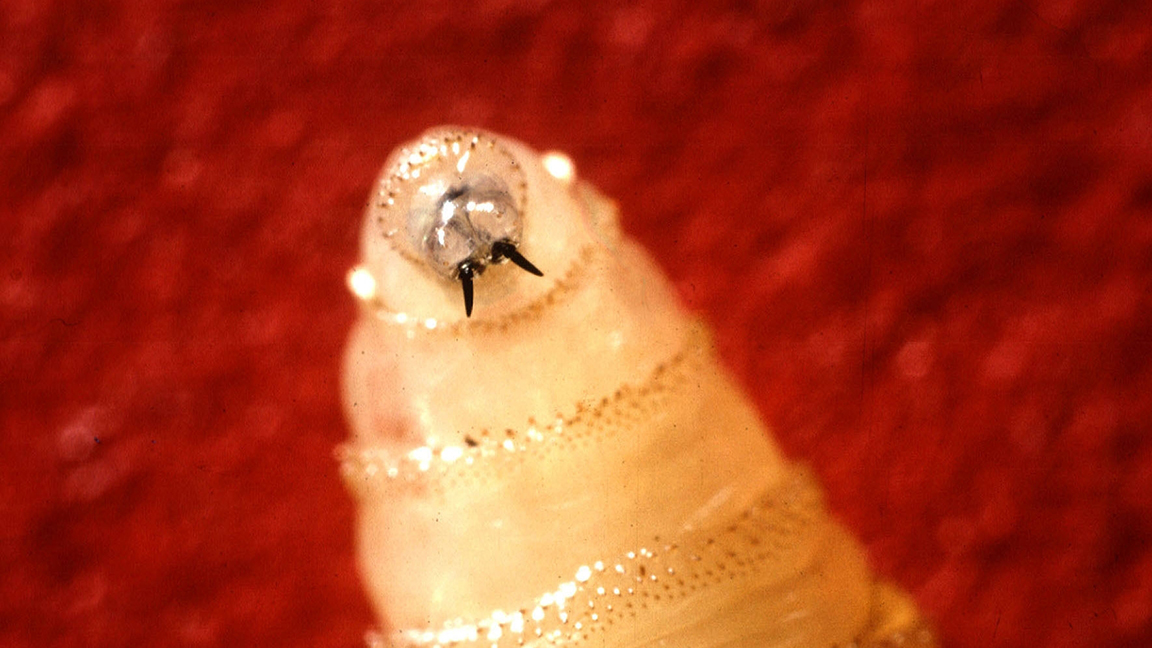
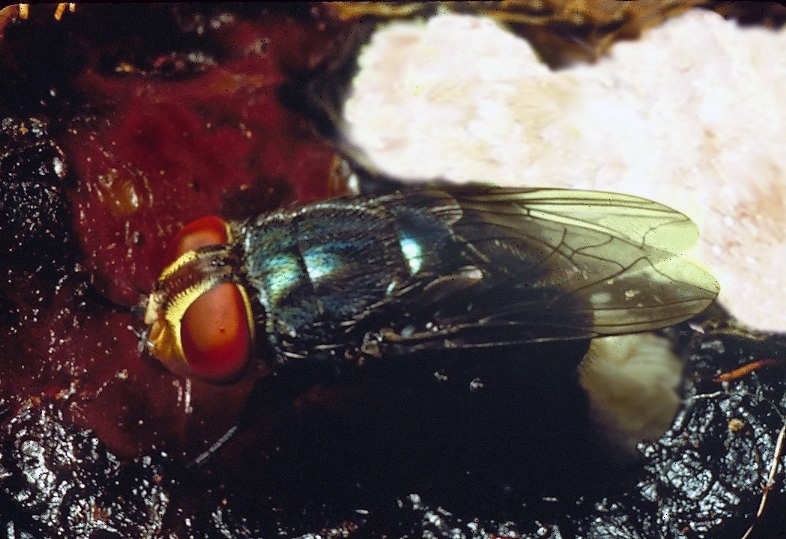
“This is a fly [that] lays its larvae in or around wounds. It will lay its eggs on any warm-blooded animal. So not only [are] our cattle populations at risk, but any warm-blooded animals,” says Koziol. “We will also be thinking about our wildlife species, too. There have been human cases, as well. Those larvae will eat the living flesh on those infected animals, and that’s really how the larvae survive and thrive.”
Sterile flies and traditional fly management techniques are certainly measures in place to help combat the spread of NWS, but there are other tips producers can keep in mind to protect their herd along with that of their neighbors.
One option Koziol suggests every cattleman can implement now? Surveillance and reporting.
“Eyes on cattle. It’s the Number 1 thing that we can do to recognize a wound so that we can get those wounds taken care of before they become affected.” — Jennifer Koziol
“Eyes on cattle. It’s the Number 1 thing that we can do to recognize a wound so that we can get those wounds taken care of before they become affected,” Koziol stresses, explaining that recognizing a NWS-affected wound is the first step. “Call your veterinarian, call your extension agent, just call somebody … They will gladly walk you through that.”

“Call your veterinarian, call your extension agent, just call somebody … They will gladly walk you through that.” — Jennifer Koziol
Managing for control
Other things Koziol suggests focusing on when it comes to safeguarding cattle herds include auditing herd health and management practices. In other words, we need to start thinking about how we manage our cattle herds when it comes to avoiding NWS.
“As an infected zone gets closer to your operation, how do I need to change my management practices? Do I need to shift my breeding season so that we calve during months where there is no New World screwworm because it is too cold for them to survive and thrive?” she says, posing questions producers likely need to be asking themselves. “Calving management is going to be really key. These flies love the umbilicus of a newborn calf, a newborn lamb, a newborn anything.”
Managing calving seasons leads to rethinking breeding season, which in turn affects branding, vaccinations, weaning and other management practices. With all these critical management decisions to be made, producers shouldn’t hesitate to tag in their local veterinarian to help create an updated health protocol for their operation.
Having a veterinary-client-patient relationship (VCPR) will also be helpful to producers who find themselves in need of antibiotics or new medications that might require a prescription for use. Though there are thankfully medications on the market to help with control of NWS, several of those same medications are also used for the control of internal parasites, which necessitates balanced use to preserve their efficacy.
Another reason to have a VCPR in place includes the need for potential inspections, should you find your herd within an NWS-infested or surveillance zone.
“If you were to be in a situation where you need to move cattle and are in a restricted area of movement, you have that good relationship so you can have continuity of commerce as much as we possibly can,” Koziol stresses. “I think that’s really important. If you listen to what USDA and Texas Animal Health Commission have really talked about, continuity of commerce is what we are hoping to achieve for the betterment of the beef industry.”
Editor’s note: The information above is summarized from the June 11, 2026, episode of Angus At Work. To access the full episode — including more information on protecting your herd and your community from New World screwworm — check out our Angus At Work archive on www.angus.org. [Photos courtesy of the USDA.]
Angus Beef Bulletin EXTRA, Vol. 18, No. 7-A
Topics: Health , Industry News , Management , Marketing
Publication: Angus Beef Bulletin
Related Content


Current Angus Beef Bulletin
Our September issue focuses on the females of the herd and the records that validate them.