



Clean Water Makes the Difference
Notes from your regional managers related to common water sources and options to protect water quality.
July 23, 2026
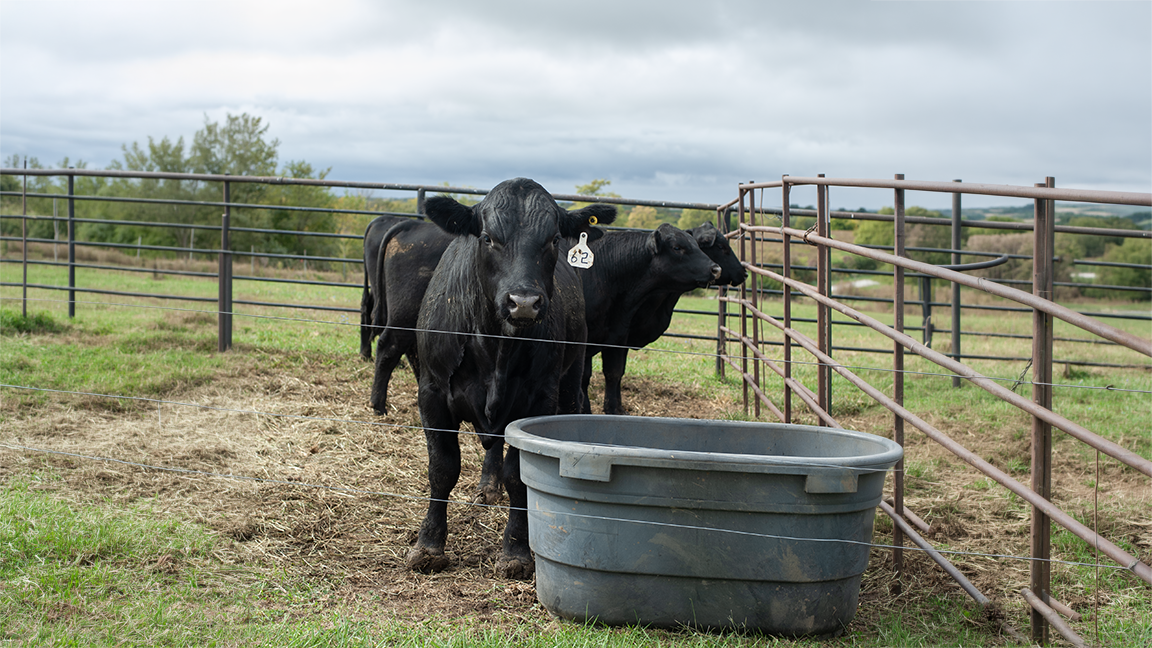

Many cattle producers are well aware of the ins and outs of proper water management for the health of their livestock, but getting back to the basics and refreshing your understanding of water management yield tidbits that may be completely new.
In this edition of “From the Field,” American Angus Association regional managers David Gazda, Trevor Haney and Reese Tuckwiller share common watering methods in their regions, concerns related to illness and water contamination, as well as opportunities to safeguard your herd’s water sources.
The norm
While cattlemen may be familiar with how water is managed in their region, learning how fellow producers manage their water sources and the struggles they face should be a welcome learning experience. Whether troughs, ponds or flowing water, there are unique challenges and benefits to various watering methods.
For Haney, regional manager for Arkansas, Alabama, Louisiana and Mississippi, the source of water for cattle depends heavily on where you’re located within the region.
“We have a pretty good mix with quite a few people using trough waterers plumbed into either city water or well water, depending on the area,” Haney says. “We also have our fair share of stock ponds spread throughout the area, too.”
Having options depending on the location of pasture is a benefit to producers, offering the ability to choose what works best for that unique property and the cattle themselves.
Tuckwiller, regional manager for the Northeast, says that many producers in his region are blessed with existing water sources, but an action plan should to be in place for properties in need of additional infrastructure.
“I don’t know the exact percentages, but the vast majority [of water for cattle] would be spring-fed or from a stream or pond,” he says, noting the alternative would be to hook into a city water supply. “I’d say there’s a lot more cattle than I’m probably aware of that are on city water because we’ve got a metropolitan area an hour and a half in any direction.”
In Florida, Georgia and South Carolina, Gazda feels watering cattle has changed during the last two decades throughout his territory. Fifteen years ago, he says, the majority of cattle would have drunk from a pond, creek or some other natural source.
“I think now it’s fairly split,” Gazda says. “I would actually start leaning towards more people watering their stock out of these permanent options, whether that’s a plastic tank, a concrete tank or some other type of manmade arrangement.”
Keep this in mind
That move to different types of waterers has led some producers in Gazda’s region to consider limiting cattle access to natural water sources, including ponds or streams for herd health and ecological reasons.
“In my opinion, if there’s any way you can fence off ponds and streams, it’s for the betterment of the cattle and the environment,” Gazda says, pulling from his own personal experience with similar projects.
Thirty years ago, Gazda worked with the USDA Natural Resources Conservation Service (NRCS) to fence his cattle out of all the streams, lakes, ponds and other natural bodies of water.
“I believe it’s good not only for the health of the streams and the environment around those streams, but for the cattle, as well,” he explains, saying that there can be health concerns related to cattle standing in water all day and then drinking that dirtied water. “It can come back to haunt you if you don’t have a backup plan when you lose power. Have a backup source, whether it’s a generator, a pump or the ability to haul water.”
When it comes to water conservation, Tuckwiller suggests researching your location to determine if cost share or grant programs might be available to help achieve the water management goals of your operation.
“Know which watersheds are close by,” Tuckwiller says. For example, cattlemen located near Chesapeake Bay and water sources that feed into that system may have options related to protecting shellfish and crab production.
Navigating conservation and potential program opportunities can be overwhelming, but there is no need to do so alone. Haney says leaning on university and federal resources within your state can take some of the pressure off producers.
“Here in Alabama, our Cooperative Extension beef specialists can point you in the right direction,” Haney says, noting that NRCS staff are another great option for program education. “They can help you find the government programs out there to help with fencing off ponds and helping build those cattle access ramps so that your water sources stay clean and cattle stay safe.”
Editor’s note: “From the Field” is a regular Angus Beef Bulletin EXTRA column featuring advice, industry news and Angus updates from regional managers of the American Angus Association. For information on how to contact your regional manager, click here. [Lead photo by Heather Lassen.]
Angus Beef Bulletin EXTRA, Vol. 18, No. 7-B
Topics: Health , Management
Publication: Angus Beef Bulletin
Related Content


Current Angus Beef Bulletin
Our September issue focuses on the females of the herd and the records that validate them.