




Don’t Hurry to Grass
Grazing short early regrowth during spring green-up can rob pounds later.
February 18, 2026

by Elizabeth Picking, University of Missouri Extension
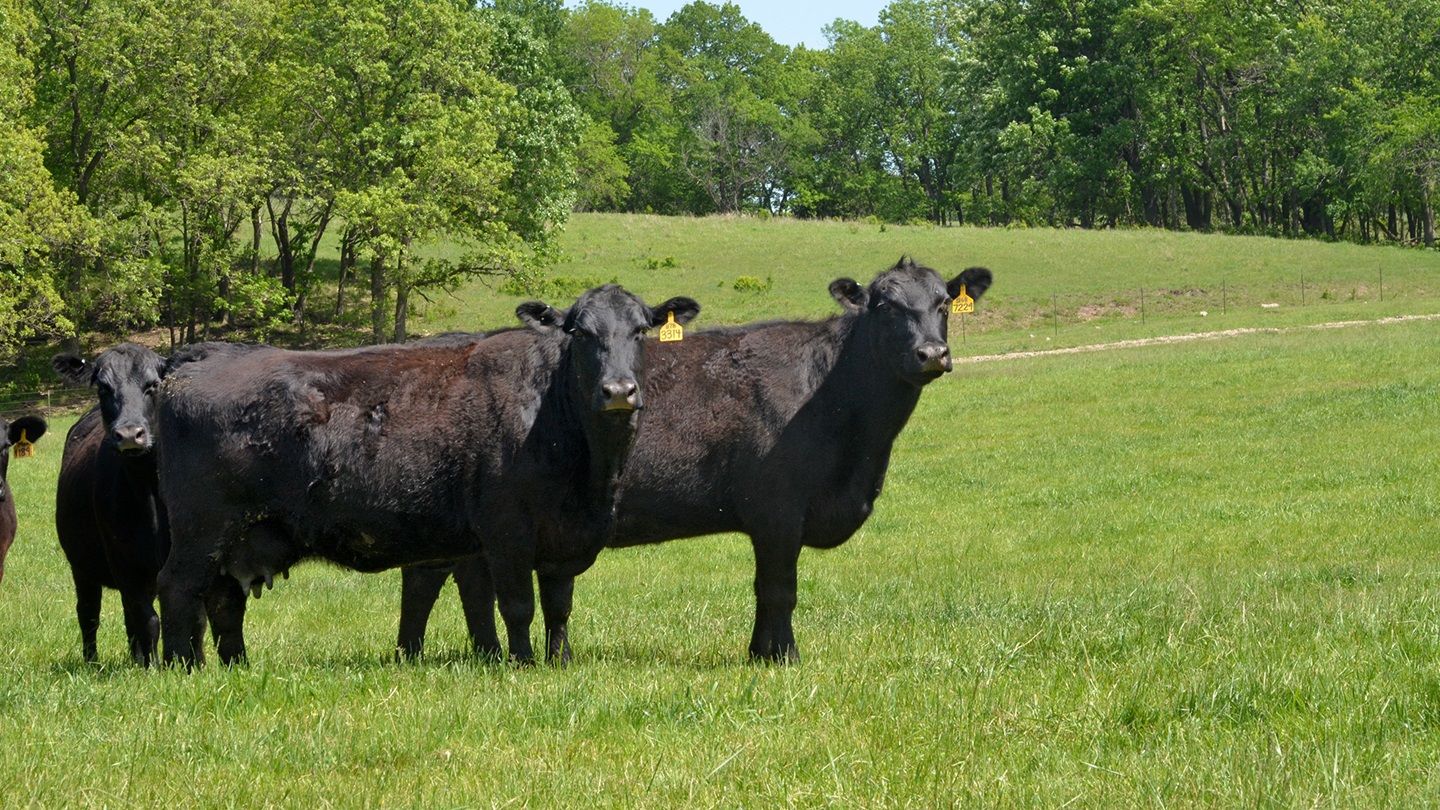
Seeing the bright green new growth pop up in our pastures signals the end of winter and the transition into spring. As the short green carpet starts to come up, cattle start chasing the short growth and may turn their noses up to hay they were previously eating well. However, allowing cattle to nip off this short regrowth can slow down the pasture growth moving into the spring. Research at the U.S. Dairy Forage Research Center in 2011 suggests that 500 pounds of forage growth per acre is lost when grass is grazed while still short in the spring.
How short should we graze pastures? The type of grass in your pasture will determine how short it should be grazed. When grazing most grasses like fescue, orchard grass, Bermuda, timothy and crabgrass, you should leave 3 inches (in.) or more so the plant has enough leaf material to regrow in a timely manner. Grazing below 3 in. leads to slower regrowth and potential for root loss under the soil. If grazed short repeatedly, producers can start to see thinning forage stands and more weed encroachment in those pastures.
Where I am in Missouri, most cattle producers are grazing fescue. In addition to plant health concerns, the ergovaline in fescue constricts blood vessels and causes symptoms like heat stress; poor average daily gains; and loss of tail switches, eartips or gangrene of feet. The ergovaline is concentrated in the bottom couple inches of the plant, so maintaining a grazing height of 3 inches or higher limits the ergovaline cattle consume and reduces some of those animal health concerns.
Many livestock producers have incorporated native warm-season grasses like big bluestem, little bluestem, Indiangrass and gamagrass into their grazing systems. Those species have a taller growing point and should have 12 in. or higher left behind to regrow.
Options to avoid overgrazing
Using a sacrifice lot or pasture is an effective way to minimize overgrazing on most of your pastures. Choose a pasture that may be weedy or need to be renovated and congregate your herd there while you feed hay during the winter. This allows you to keep the herd off the rest of the early grass growth until the pastures have grown to at least 6 in. Unrolling hay bales or moving hay rings across the sacrifice pasture helps to improve soil fertility by distributing manure and organic matter from wasted hay. Each winter, a new sacrifice pasture can be used to incrementally improve your pastures or you can have a designated sacrifice area for convenience if mud is not a major concern in your area.
As spring comes and grass starts to green up, the main consideration is to limit your herd from setting back the pastures for the rest of the growing season by nipping off all the short growth. Using a sacrifice pasture and stored feed and hay lets you protect the rest of your pastures and make soil improvements over time.
For more information, contact Elizabeth Picking, MU Extension livestock specialist, at 417-256-2391 or pickinge@missouri.edu.
Editor’s note: Elizabeth Picking is a livestock field specialist for University of Missouri Extension. [Lead photo by Kasey Brown.]
Angus Beef Bulletin EXTRA, Vol. 18, No. 2-B
Topics: Feedstuffs , Industry News , Management , Nutrition , Pasture and Forage
Publication: Angus Beef Bulletin
Related Content


Current Angus Beef Bulletin
Our November issue focuses on the females of the herd and the records that validate them.