Give Fall Calves the Best Possible Start
Five calf health considerations to maximize immunity, decrease disease.
August 23, 2023

by Lacey Fahrmeier, Valley Vet Supply
We want to give calves the best chance possible to survive and thrive through the critical neonatal calf period. Ranchers have so much invested in the genetics and in the long process of getting that live calf on the ground, we want to do everything we can to protect that investment.
Let’s look at how to give our young calves the best possible start this fall.
- The foundation for a strong, healthy calf starts with the dam. Her nutritional status is incredibly important. If cows are not in the body condition we would like going into calving, that can affect colostrum quality. Cows begin the colostrum production process about 60 days before calving. Ideally, we would like to have the dam in at least a body condition score (BCS) of 6 (on a 9-point scale) at that point.
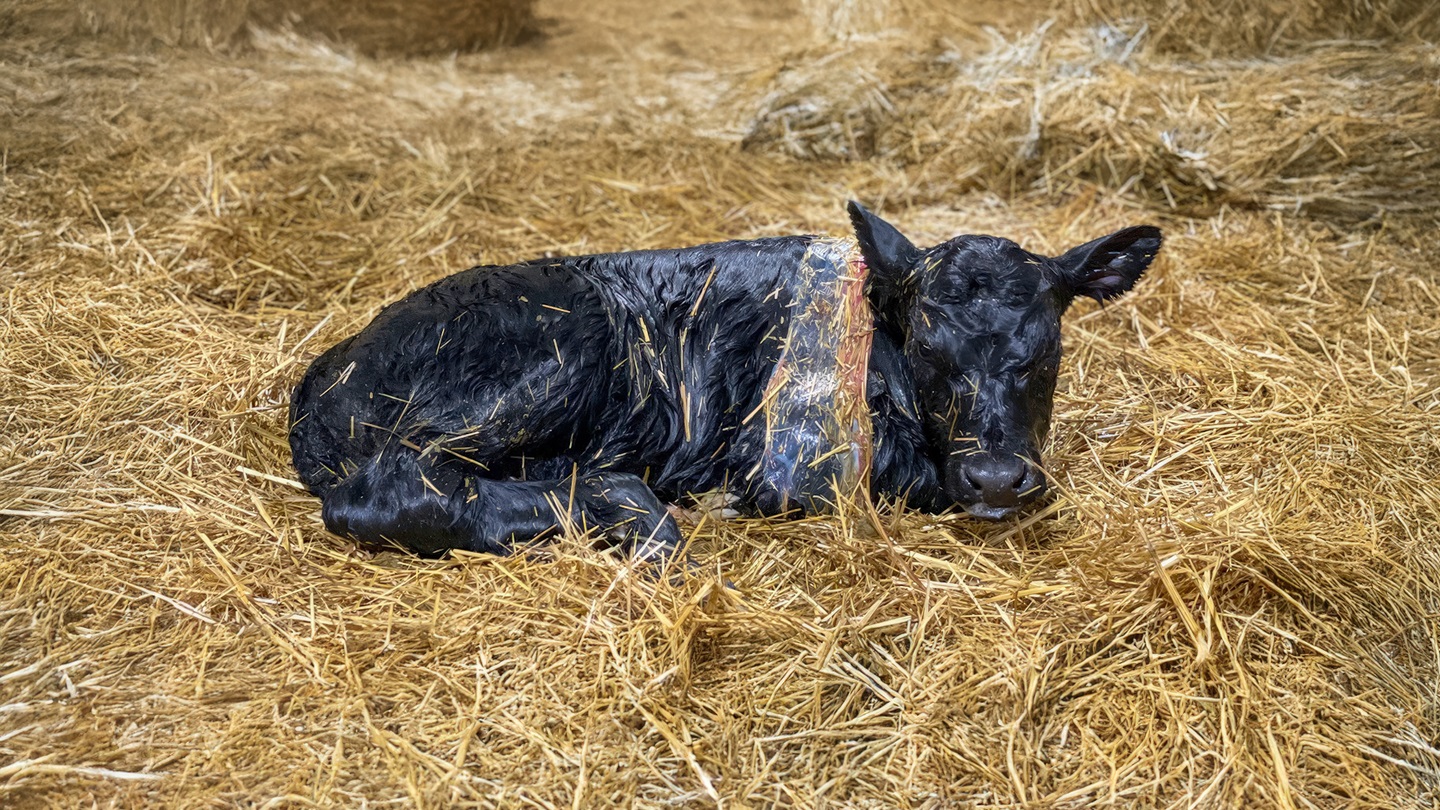
- Colostrum intake is the single-most-important preventative factor in assuring healthy calves. Calves are born with essentially no immunity of their own, so they’re extremely vulnerable to infections when they hit the ground. Colostrum intake is of critical importance for young calves, providing 95% of the antibodies a calf obtains, plus a rich source of minerals, vitamins and energy. The colostrum received at birth protects newborn calves against infectious agents during the first few months of life. Good quality colostrum from the dam — and getting it into the calf in a timely manner — is super important.
- We have a short window during which newborn calves can absorb the antibodies from their dam through that gut wall. After that, we have gut closure at about 24 hours. The first six hours of life are especially important, because that’s when you can get the best absorption of those antibodies from the dam.
-
If you are unsure about the calf’s colostrum intake being adequate for some reason (difficult birth, harsh weather, heifer with poor maternal instincts), it’s a good idea to provide a colostrum replacer to ensure they get what they need for a solid start.
-
Calves should have 300 grams of immunoglobulins (IgG) within those first six to eight hours to ensure full passive transfer of immunity. This is a higher level than previously recommended. Be sure you are using a colostrum replacer instead of a supplement, and check the bag to see how many grams of IgG are in each bag, so the calf gets the proper amount

Lacey Fahrmeier, a graduate of Kansas State University’s College of Veterinary Medicine. [Photos courtesy Valley Vet Supply.]

- I really can’t sufficiently underscore the importance of getting an adequate amount of colostrum into the calf in those first few hours of life.
- Vaccinations against clostridial diseases benefit the cow and calf. The dam’s immune status greatly affects the quality of her colostrum, and the best way to influence that is through her vaccination status. At preg-check, I recommend producers vaccinate cows for the clostridial diseases. It benefits the cow herself, but it also enhances the colostrum she is producing. You really want to administer scour prevention or clostridium vaccines at least 60 days before calving. This will add value through higher antibody levels in that colostrum, helping ensure its quality. This is especially important in first-calf heifers that have not been exposed to as many pathogens in their lives.
- The environment that calves are born into is incredibly important. Trying to have those calves spread out and decreasing the pathogen load that they’re exposed to is crucial. This way, when those calves hit the ground, they aren’t immediately exposed to such a high concentration of disease pathogens, especially the ones that cause scours. More mud and manure lead to greater contamination risk of the cow’s udder. Bacterial pathogens such as E. coli, salmonella and Johne’s, as well as rotavirus and coronavirus, can be transmitted by the calf ingesting those disease particles while nursing or from the environment.
That is why the proven “Sandhills Calving Method” works so well to help minimize disease exposure and illness. With this management strategy, at about three weeks into the calving season, you move those cows that haven’t calved yet to clean ground, leaving behind those cows and their calves from the first three weeks of the season. This concept is replicating the cleanliness of that first three weeks of calving throughout the calving season.
I know logistically there are some challenges to implementing this system, such as access to water sources and shelter/working facilities. Being able to keep those groups separate isn’t always easy, but if you’re facing a big outbreak of scours, that’s the best solution. - Applying vaccines early in life helps give calves a solid start. We’re finding out calves can respond to and benefit from, vaccines much earlier in life than we initially thought. Of course, the maternal antibodies they receive from colostrum can block some of those vaccines. To maximize their effectiveness, it’s really important to administer them as soon as possible following birth (ideally before colostrum ingestion for oral scour vaccines).
I recommend, as soon as possible following birth, to administer Clostridium Type C & D vaccine (to combat the dreaded “overeating” or enterotoxemia), an intranasal respiratory vaccine, and an oral scour vaccine if there has been a history of scours issues on that ranch. If you are concerned they are deficient of minerals, you could offer an injectable source of minerals, as well.
Editor’s note: Learn more at www.valleyvet.com. Lacey Fahrmeier is a graduate of Kansas State University’s College of Veterinary Medicine. In addition to her role on the Valley Vet Supply Technical Service veterinary team, she is a practicing veterinarian at a southern Montana veterinary clinic, serving animals small and large. She places special interest in large animal reproduction and bovine lameness. Recently appointed to the American Veterinary Medical Association’s Council on Veterinary Service, Fahrmeier represents the Private-Practice Predominantly Food Animal interests of the Association.
Angus Beef Bulletin EXTRA, Vol. 15 : No. 8-B
Topics: Animal Handling , Equipment / Facilities , Health , Reproduction
Publication: Angus Beef Bulletin
Related Content


Current Angus Beef Bulletin
Our November issue focuses on the females of the herd and the records that validate them.