


The More You Know
How keeping records within your herd can shine a light on profit potential.
August 10, 2026
Freedom, being outdoors, a love of animals, family legacy and a million other things could be reasons cattle producers love the cattle business. One thing that probably didn’t tempt producers? Recordkeeping.
While records likely aren’t the most fun task on your operation, the insights gleaned from data collection and herd management could mean the difference between making it or calling it quits on your dreams of ranching.
The mother of invention
It took a rainy day sitting in front of his desk reviewing months-old records for Gabe Wight to decide something needed to change. Two notebooks and a clipboard of data were likely too stale to be of use for the current calf crop, and the disjointed method of collecting data didn’t present much hope for the status quo changing.
“I was so frustrated and thought, ‘I never want to sit down at my desk and have to enter another record again,’” Wight recalls, remembering his frustration boiled over in that moment and a lightbulb turned on. “What is the old saying: ‘Necessity is the mother of invention?’ Let me tell you, frustration sits right behind it.”
That frustration Wight felt led him to found Herd Advisor, a cattle recordkeeping platform that functions as a repository for all herd information and can create new records by simply being asked. That ease of use can lead to something critical to overall recordkeeping success: accessibility.
Accessibility is key
Wight acknowledges that the first step toward success is keeping records. However, he says, there is a difference between simply gathering data and making that data accessible to everyone across an entire operation.
“Scattered records are inaccessible records. Even if you’re driving through the pasture in your truck and you’ve got the notebook in your tractor that says which calf belongs to which cow, then — all of a sudden — that’s an inaccessible record,” he stresses. “You can’t make decisions off of records that aren’t accessible.”
Being able to access records means being able to make informed decisions, he continues. Whether those decisions involve a female who has consistently had trouble staying bred, a bull whose feet seem to be an ongoing issue or simply being able to track which cows wean larger calves year to year, having access to accurate records puts more of the power in the hands of the producer.
Profits in the margins
Recordkeeping platforms like Herd Advisor serve as a warehouse for herd data ranging from calving records to veterinary appointments, purchases, sales, death loss and more. After all, if producers can’t keep that knowledge updated and organized, that data cannot compound. That’s a big part of keeping records, says Wight: Learning from not repeating mistakes and capitalizing on the good decisions that you can make.
“You’ve got to be able to see trends. How many times do we have to pull a first calf, and it’s stillborn? Then two years later, she has another,” Wight asks. “All of a sudden, she’s in a risky category. If you don’t have the records, you can’t go back and you can’t make those profitable decisions because profit is made on the margins.”
Profits aren’t made in the bulk of what happens on an operation, Wight suggests. Statistically, 80% of daily management is going to go just fine no matter what you do. It’s the other 20% that producers really need to be paying attention to.
Those margins could be made by culling females using past herd management notes. They could also be made by replacing a bull that doesn’t seem to be getting cows bred on time. Income could come from knowing where and when to sell calves, understanding which vaccinations need to be given to ensure heard health or when to expect cows to start calving.
“I like being with my cows. I like working cows. I did not get in [the livestock business] to keep records, and there’s a lot of frustration around just trying to keep the records,” Wight says, explaining that if records aren’t in a place or format where producers can make decisions easily, then is it really worth it? “Frankly, if you’re not making good decisions off of your records, then why keep them?”
The information above is from a larger conversation on the Angus at Work podcast. The June 25, 2026, episode titled “Keeping Good Records with Gabe Wight” covered the importance of recordkeeping, where to start, why an easy-to-use management software is a solid investment for commercial cattlemen, and more.
Related Content


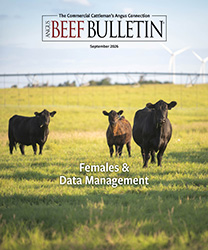
Current Angus Beef Bulletin
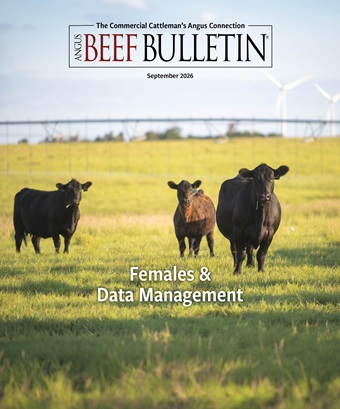
Our September issue focuses on the females of the herd and the records that validate them.