


Health & Husbandry
Identify and manage blood-borne diseases in cattle.
August 10, 2026
Ever walked rapidly up a couple flights of stairs and felt winded at the top? As your muscles demand more oxygen, your heart pumps faster and your breathing rate increases. Within a few minutes, breathing returns to normal because healthy red blood cells efficiently carry oxygen throughout the body to meet increased demands.
In cattle, theileriosis and anaplasmosis can affect red blood cells, decreasing oxygen-carrying capacity and resulting in severe health challenges. This article will describe the basics of both diseases, clinical signs and management techniques.
The basics
While multiple diseases can cause destruction of red blood cells, two main infectious blood-borne diseases of adult cattle are anaplasmosis and theileriosis. Although caused by different organisms, the two diseases share many similarities in transmission and clinical signs. Both diseases infect red blood cells, but the actual pathogen is different: Anaplasmosis is caused by a bacteria, while theileriosis is caused by the protozoan parasite Theileria orientalis.
These diseases are transferred by vectors, such as ticks and potentially biting flies. Anaplasmosis has also been shown to be transmitted through contaminated needles or surgical equipment.
Anaplasmosis
Anaplasmosis has been in the United States for a long time. In many areas it is considered endemic, meaning infections are common in cattle and herds.
Infected cattle can be long-term carriers, serving as a reservoir for the bacteria that can be transferred to noninfected cattle. Ticks and biting flies are a primary transfer mechanism; therefore, infections are more common in the summer. The bacteria infect red blood cells.
The body identifies these infected cells and destroys them at a rate faster than its red blood cell production can replace. The result is a reduced number of circulating red blood cells, a condition known as anemia.
Disease progression takes time before clinical signs become apparent, resulting in the seasonal appearance of symptoms a few months following infection— typically in the fall of the year in many regions of the country.
Adult cattle are the most commonly affected class of cattle, while calves are rarely reported with clinical signs associated with anaplasmosis.
Both diseases infect red blood cells, but the actual pathogen is different.
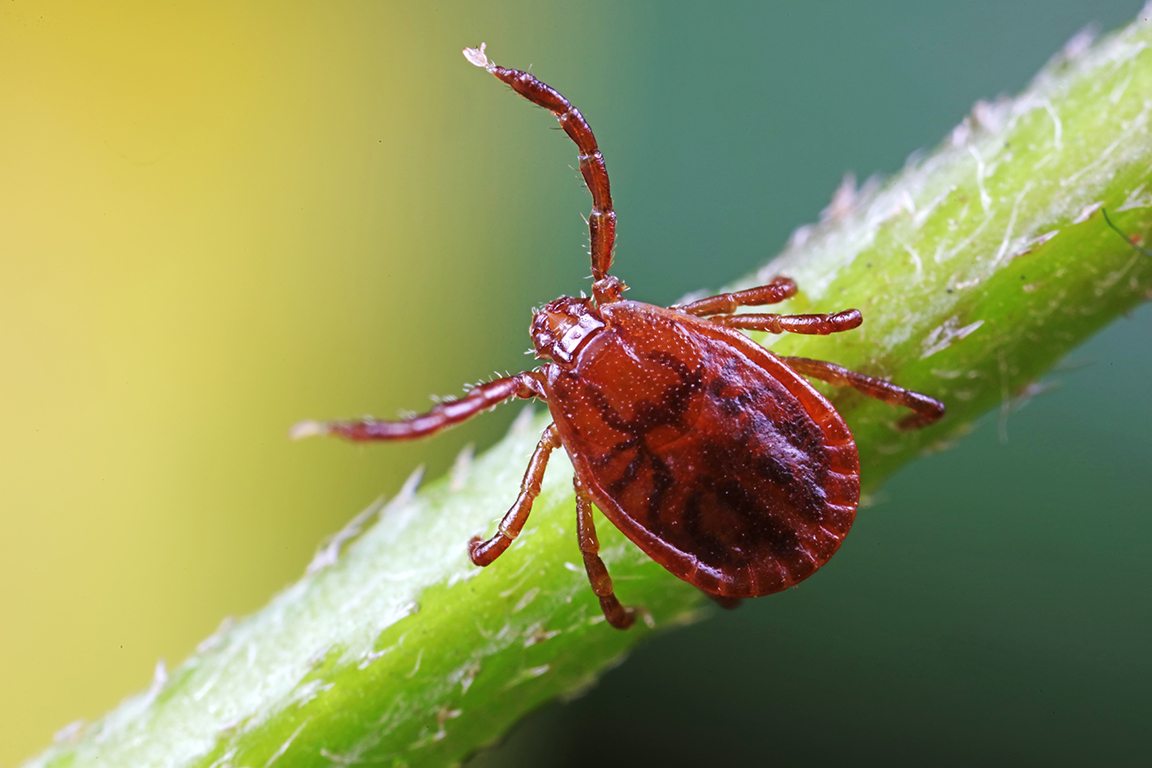
Photo by lnzyx via iStock / Getty Images

Theileriosis
Theileriosis is an emerging disease, and much less is known about it. Several types of T. orientalis exist, but the Ikeda strain is most frequently associated with severe disease in cattle. This strain was not identified in the United States before 2017.
Disease transfer occurs through ticks; however, limited evidence is available for other forms of transfer (biting flies, mechanical transmission). The specific tick known to transfer T. orientalis is the Asian longhorned tick.
Cases of clinical disease due to T. orientalis in cattle were first reported in the eastern United States, but cases have been reported farther west over the last several years. The Asian longhorned tick has expanded its footprint and has been identified in multiple states, according to the USDA Animal and Plant Health Inspection Service (APHIS).
Theileriosis has been reported in adult cattle (cows and bulls), but the importance of this disease in younger cattle is still being evaluated.
Clinical signs
Both diseases cause destruction of red blood cells, resulting in similar clinical signs for both syndromes. A loss of red blood cells and oxygen-carrying capacity is imperceptible early in the process, especially when no exertion is needed. Grazing cows will compensate, and no clinical signs may be observed until either activity is increased (e.g., gathering cattle to move or for processing) or the anemia becomes so severe oxygen-carrying capacity is below requirements even at rest.
Cattle can compensate for disease when at rest until the red blood cell count drops below the minimum requirement to carry oxygen for a resting animal. This process can result in cattle that look acutely ill, although the disease process has been chronic. Disease progression and potential onset of clinical signs is illustrated in Fig. 1.
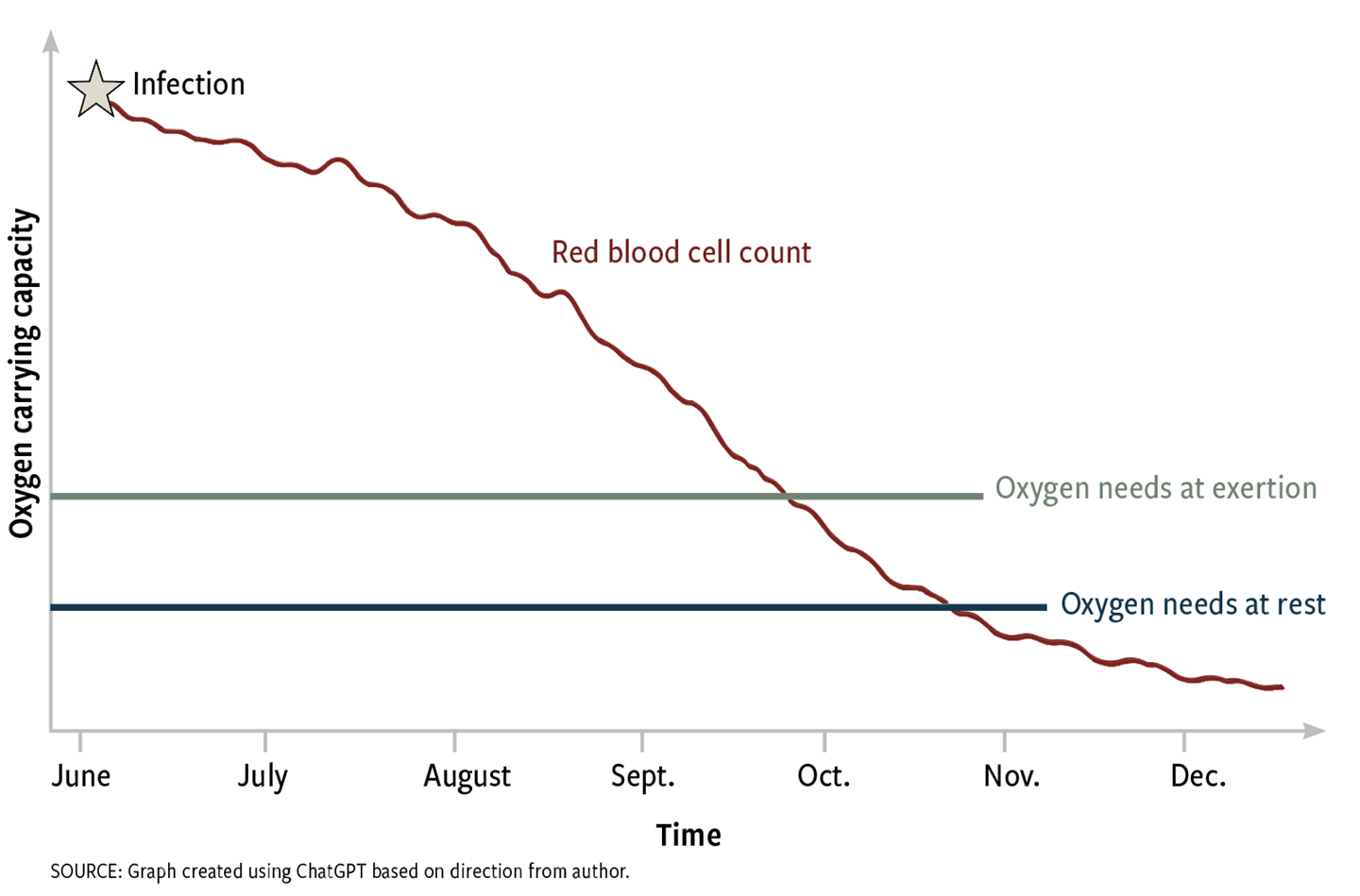
Fig. 1: Conceptual representation of decrease in red blood cells due to disease with infection in June and onset of clinical signs at exertion and at rest when red blood cell count (oxygen-carrying capacity) drops below required levels

Common clinical signs are centered around decreased oxygen supply, which result in weakness, depression, increased respiratory rate (even at rest) and weight loss. Examination of an affected animal may reveal pale or yellow-tinted mucous membranes and an increased respiratory effort.
Remember, when clinical signs are present, oxygen carrying capacity has been greatly reduced and exertion or excitement exacerbate symptoms. This can lead to further respiratory distress or mortality. Handle potentially affected cattle carefully and slowly. Avoid unnecessary stress on affected cattle because additional exertion can worsen the current oxygen deficiency.
Clinical signs in adult cattle mimic other disease syndromes, and accurate diagnosis is important to design the most appropriate treatment and management plan.
When potentially affected animals are identified, contact your veterinarian to determine a diagnostic plan for both this animal and the herd. Accurate diagnostic tests are available for identifying both anaplasmosis and theileriosis.
Management
Differentiating these two diseases affects management. Clinical anaplasmosis can be treated with approved antimicrobials; however, no approved treatments are available for theileriosis. Early identification and supportive care is helpful in both diseases.
Controlling vectors to limit spread through the herd is another aspect of disease management, but tick vectors are frustratingly hard to prevent and control.
Management techniques differ by geographic region. If the disease is endemic in the area, work with your veterinarian to identify the best control and management for your herd.
Conclusions
Both anaplasmosis and theileriosis cause destruction of red blood cells and can cause clinical disease in adult cattle. Clinical signs of disease do not occur until the oxygen-carrying capacity is decreased below requirements and can result in cattle with weakness, depression and increased respiratory rate.
Differentiating these syndromes affects treatment and control plans; contact your veterinarian if you suspect either of these diseases to determine the best diagnostic and management plan for your operation.
Editor’s note: Author Brad White is the E.J. Frick Chair at Kansas State University College of Veterinary Medicine and serves as director of the Beef Cattle Institute. The Beef Cattle Institute has two weekly podcasts focused on a variety of cattle topics: Cattle Chat and Bovine Science with BCI. Learn more at www.ksubci.org.
Angus Beef Bulletin EXTRA, Vol. 18, No. 9-B
Topics: Health
Publication: Angus Beef Bulletin
Related Content


Current Angus Beef Bulletin
Our September issue focuses on the females of the herd and the records that validate them.