


Taking on Ticks
Tick-borne illnesses threaten people, livestock and wildlife, so community partners are teaming up with UGA to tackle the problem.
May 6, 2026

by Roy Parry, University of Georgia
At sunrise on Georgia’s coastal plain, Taylor Pearson crouches in tall grass, carefully removing ticks from a raccoon trapped the night before. Each collected specimen contributes to a broader effort to track pathogens that threaten wildlife, livestock and people across the state. Pearson, a doctoral candidate with the Southeastern Cooperative Wildlife Disease Study (SCWDS) in the College of Veterinary Medicine at the University of Georgia (UGA), studies tick species and the pathogens they carry.
In a state where warm temperatures and wooded landscapes create ideal conditions for ticks to thrive, UGA is mobilizing research, partnerships and community engagement to protect the health of Georgians. The effort is part of UGA’s One Health initiative, which is driven by the interconnection between the health of people, animals and the environment.
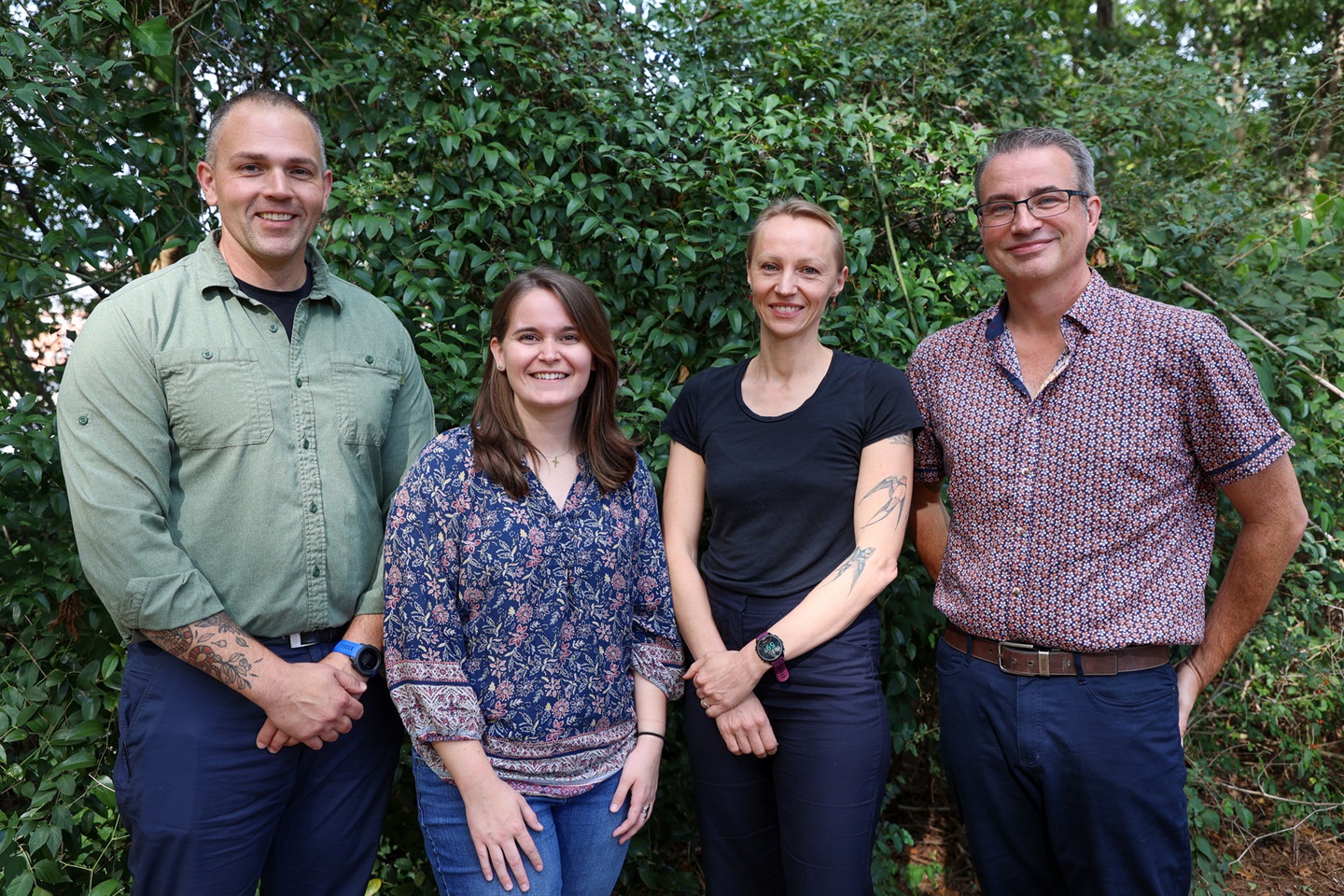
From left, the team of Chris Cleveland, Taylor Pearson, Ania Majewska and Michael Yabsley works to track tick pathogens that threaten wildlife, livestock and people across the state.

“The research we’re doing now will help raise public awareness about ticks and create a better future for Georgians,” says Pearson, who earned her undergraduate degrees from UGA.
Pearson works with Chris Cleveland, an associate professor in SCWDS who studies wildlife diseases and vectors, like ticks. When Cleveland wanted to engage with Georgia’s communities for his work, he turned to the Rural Engagement Workshop for Academic Faculty.
The workshop equips UGA faculty with the tools and partnerships needed to translate research into meaningful community impact, advancing UGA’s mission to serve the citizens of Georgia.
“The Rural Engagement Workshop reflects UGA’s land-grant and sea-grant commitment by putting research and expertise to work for Georgians,” says Stacy Jones, vice president for Public Service and Outreach. “By fostering partnerships across the state, we connect faculty projects to pressing local challenges.”
Building networks for a healthier Georgia
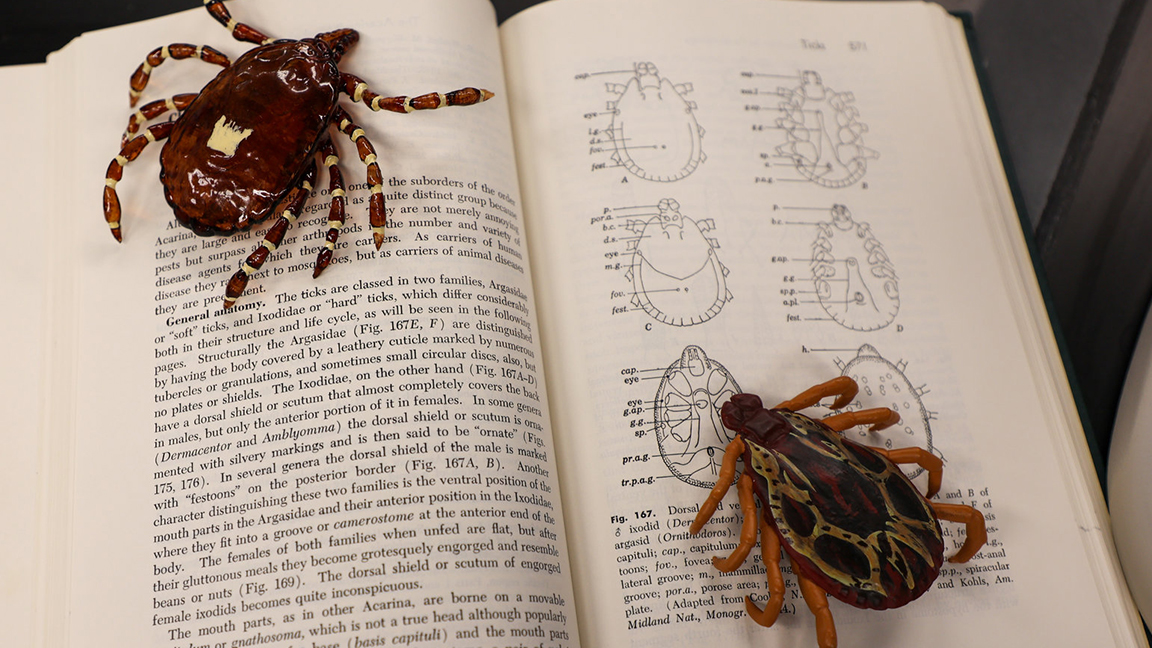
For Cleveland, who studies disease ecology, those partnerships are essential. Georgia’s climate allows ticks to remain active nearly year-round, spreading illnesses such as Lyme disease and Rocky Mountain spotted fever. At the same time, invasive species like the longhorned tick threaten cattle by transmitting parasites that cause anemia. First detected in Georgia in 2021, the pathogen recently caused its first clinical case in two Highland calves, underscoring the need for coordinated surveillance.
Cleveland’s team also includes College of Veterinary Medicine faculty Michael Yabsley and Ania Majewska, all part of SCWDS, which provides wildlife disease expertise to state and federal agencies. SCWDS has been conducting One Health-related research since it began in 1957.
Through the workshop, Cleveland and his team connected with personnel in the Archway Partnership and UGA Extension. Together, they launched a statewide survey in 2025 to learn how Georgians perceive and manage tick-related risks. An $8,000 seed grant supported the effort, which gathered nearly 600 responses from 121 of Georgia’s 159 counties.
The research findings will help identify regional differences and misconceptions about tick prevention. The data can inform education campaigns and strengthen prevention strategies tailored to Georgia’s diverse regions.
“UGA is building networks to make those connections,” Cleveland says. “There’s a rapport that people through Archway and Extension have with communities that we as faculty don’t when we first start out.”
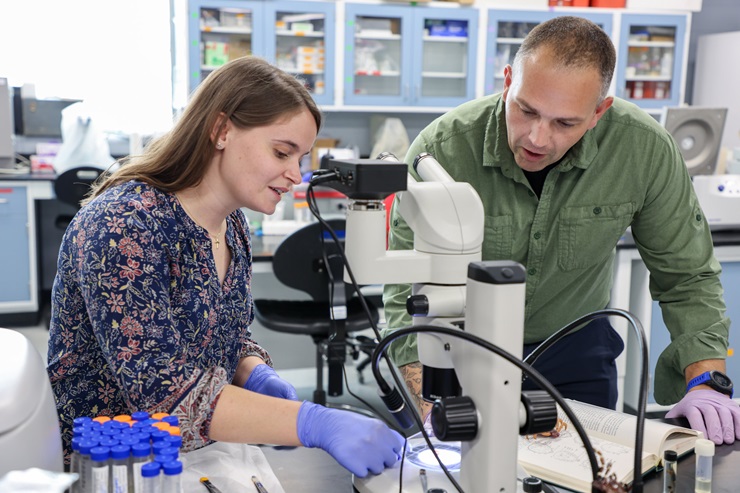
Taylor Pearson (left) and Chris Cleveland examine a tick specimen under a microscope in their lab. Their research supports UGA’s One Health approach to protect the health of people, animals and the environment across Georgia.
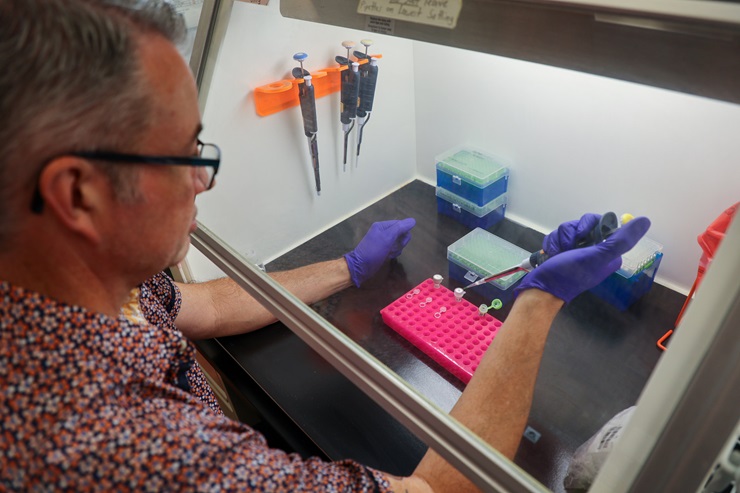
UGA researchers like Michael Yabsley are mobilizing science, partnerships, and community engagement to combat tick-borne diseases, such as Lyme disease and Rocky Mountain spotted fever.
Ramifications for Georgians
In communities across the state, that network is already at work. Pearson’s dissertation research, being done through the Wormsloe Fellowship program, supports surveillance efforts in 22 counties across Georgia’s coastal plain, including her home county of Tattnall. She collects ticks from wildlife, livestock, military bases and public lands. Samples are tested for pathogens, and results are shared directly with public health agencies and local stakeholders to prevent disease outbreaks.
Pearson also visits elementary classrooms with her “Tick Talks,” reconnects with former classmates and distributes tick collection kits to hunters, farmers and veterinarians. Community members have submitted more than 3,000 samples, expanding the study’s reach far beyond what a single lab could accomplish.
“We’re trying to cast a very wide net to find as many ticks as we can,” says Pearson.
Editor’s note: Roy Parry is senior writer for UGA Public Service and Outreach. [Photos by Beth Anne DeKeizer.]
Angus Beef Bulletin EXTRA, Vol. 18, No. 5-A
Topics: Health , Human Health , News
Publication: Angus Beef Bulletin
Related Content


Current Angus Beef Bulletin
Our September issue focuses on the females of the herd and the records that validate them.