




Survey Indicates Need for Large-animal Veterinary Service
MSU Extension asked for feedback from the cattle industry about the apparent lack of and the need for large-animal veterinarians in Michigan.
May 21, 2026
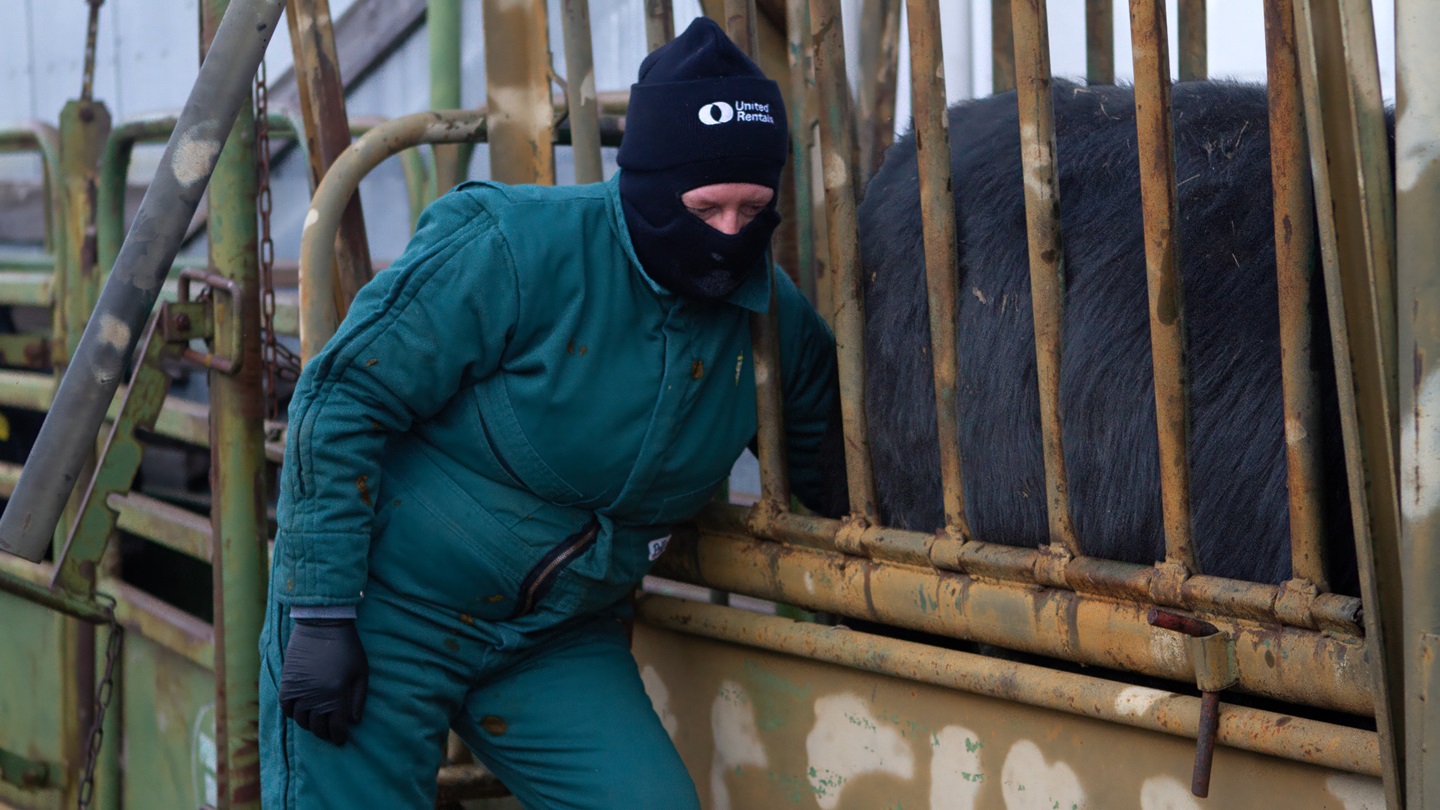

by Jerad Jaborek, Michigan State University Extension
In previous Michigan State University (MSU) Extension news articles, we highlighted the importance of maintaining a veterinarian-client-patient relationship (VCPR) and discussed the supply and demand for cattle veterinarians in Michigan. Additionally, we shared a survey asking for feedback on experiences and thoughts for potential solutions to make large animal veterinarians more readily available throughout the state for Michigan cattle producers.
The Michigan Cattle Veterinarian Survey received 89 unique responses. Survey respondents represented 34 counties in Michigan, with the largest contribution being from residents of Osceola (10%) and Midland (7%) counties.
The majority of respondents (53%) reported owning between 10 and 50 head of cattle, with 26% owning between 50 and 100 head, 14% owning fewer than 10 head, and 4% owning greater than 200 head.
The vast majority (92%) were beef cow-calf producers, followed by feedlot producers (13%), while 22% of respondents were involved with forage-finishing beef. The backgrounding, stocker and dairy sectors were less represented (<10%) and four responses were received from industry stakeholders and veterinarians.
Just more than half (55%) of respondents experienced being unable to receive veterinarian service when requested.
Of the respondents, 80% reported having a current VCPR. Proximity to the nearest veterinarian didn’t appear to influence whether respondents had a VCPR, as the average distance from the nearest cattle veterinarian was 32 miles and 37 miles for those responding with “yes” and “no,” respectively. The greatest distance between a producer and available large-animal veterinarian was located in the Upper Peninsula, 90 miles apart.
Need vs. availability
There are a variety of reasons cattle producers may seek veterinary care. Possibly the most obvious reason is to maintain a current VCPR in order to have access to veterinary care. A VCPR was recognized as the most popular reason (85%) for needing a veterinarian. As mentioned in a previous MSU Extension news article, “A valid veterinarian-client-patient relationship is key to successful cattle health,” a valid VCPR with a licensed veterinarian is required by the FDA-CVM to obtain antimicrobial drugs needed to treat sick cattle. This was also recognized by the majority of respondents, with 82% needing a veterinarian to purchase medications and 60% needing a veterinarian to write prescriptions for antimicrobials.
Cattle veterinarians were also needed for consultation and problem solving a cattle issue (82%), pregnancy checks (61%), laboratory analysis (i.e., blood, feces, other tissue, soil, feed, water; 46%), breeding soundness exam for bulls (33%), to perform surgery (32%), castration (24%), dehorning (19%), deliver intravenous injections (19%), necropsy (12%), hoof trimming (10%), nutritional advice (10%), and other, as identified as needed help with interstate or international health and travel approvals (5%), with calving difficulties (3%), delivering vaccinations (1%), and treating sick animals (1%).
Industry stakeholders reported needing a veterinarian, particularly for international health and travel approvals, a great deal more than other respondents, with an average of 200 visits per year. The remaining respondents reported needing an average of 2.6 cattle veterinarian visits per year.
Just more than half (55%) of respondents experienced being unable to receive veterinarian service when requested. The most popular reason producers were unable to receive veterinarian service was because the veterinarian’s schedule was too busy or the clinic was understaffed (46%).
The second-most-common reason was because the distance was too far for a farm visit or the farm was out of the veterinarian’s coverage area (26%). Eleven percent (11%) of responses indicated the veterinarian was not taking on new clients. Other reasons mentioned were that the veterinarian didn’t have the proper equipment (for hoof trimming), the veterinarian was on vacation, the veterinarian was sick or injured, extreme weather (snow/rainstorm), veterinarian wasn’t doing farm visits, or medication wasn’t available.
Thirteen respondents (16%) reported a veterinary clinic permanently dropping them as a client. The most popular reason was that the veterinary clinic no longer provided large food animal service (50%), with others mentioning a transition to horses only or small animal only. Other reasons included the lack of veterinary use by the client or distance being too far between the veterinarian and producer. Additionally, 76% of respondents indicated they would be willing to pay for a phone or video consultation with a veterinarian to maintain a current VCPR.
Possible solutions
Below is a summary of the insights into possible solutions (in order of frequency mentioned) from 52 survey respondents concerning the lack of cattle veterinarians in the state of Michigan.
- Incentivize large-animal veterinary career path through a variety of different financial support opportunities to reduce student debt, provide cheaper veterinary school tuition, scholarships, grants and subsidies.
- Provide a contractual service obligation to provide large-animal veterinary service to a Michigan rural area in need for a specified number of years for financial support (tuition reimbursement or student loan forgiveness).
- Have veterinarians provide remote consultation options, such as phone or video calls. Some respondents are already doing this to receive veterinary care on their operations.
- Change the veterinary school admissions process to increase or emphasize the selection of students with a desire to pursue large-animal veterinary care and students with lifelong livestock experience.
- University veterinary schools need to meet the land-grant mission of supporting agriculture by emphasizing the need for large-animal veterinary care and by doing a better job of training and educating future large-animal veterinarians.
- Create/offer mentorship programs for new veterinary graduates to partner with experienced large-animal veterinarians.
- Encourage the large-animal veterinary career path for youth participating in agricultural programs and 4-H.
- Producers need to have better animal handling facilities to improve veterinary efficiency when on farm and improve veterinary safety.
- Veterinary clinics could have their own animal handling facilities and producers could bring large animals to the clinic for veterinary care. Note: How this additional cost for animal handling facilities would be paid for was not mentioned.
- Large-animal veterinarians could increase their prices to make large-animal practice more sustainable.
- Veterinarians could charge all clients a yearly fee to retain their service, regardless of how frequently they are called upon for veterinary care.
- Improve the ease of interstate licensing for veterinarians providing service in neighboring states to Michigan, such as Wisconsin, Ohio and Indiana.
- Veterinary clinics could consider hiring a large-animal veterinarian at least one time per week to provide service in their area.
Create and provide a short course to train producers to perform some animal care tasks that do not require veterinary oversight to reduce the workload (i.e., emergency calls) of busy large-animal veterinarians.
- Possible training allowing producers to procure their own antimicrobials. Note: I don’t believe this will be possible with the latest changes made by the FDA-CVM requiring veterinary oversight of antimicrobials.
Results from survey respondents indicate a need for large-animal veterinary service. Reasons for a lack of available veterinary care were most commonly due to the veterinarian/clinic being understaffed/too busy, or the distance between the veterinarian and client was too great. As a result, finding ways to improve the efficient use of the veterinarian’s time is critical. While changing the distance between the veterinarian and the producer’s farm isn’t an option, improving animal handling facilities and learning how to perform tasks that do not require veterinarian service are important keys to resolving the veterinary care issue. One of my personal favorite solutions mentioned producer education to perform some animal care tasks that do not require veterinary oversight to help reduce the workload of busy veterinarians.
Michigan State University Extension is here to help provide producers with education. If you have questions or are looking for more information on how to perform some of these tasks, such as giving injections, castration, dehorning or nutritional advice, reach out to MSU Extension educators on the MSU Beef Team or MSU Dairy Team. Furthermore, some services, such as hoof trimming and pregnancy checks, may be provided by other representatives within the cattle industry. If you are in need, please reach out for contacts. Michigan State University also has a veterinary medical center to aid in veterinary needs.
This article was published by Michigan State University Extension. For more information, visit https://extension.msu.edu. To contact an expert in your area, visit https://extension.msu.edu/experts, or call 1-888-678-3464.
Editor’s note: Jerad Jaborek is beef feedlot systems educator for Michigan State University Extension. [Lead photo by Leann Schleicher.]
Angus Beef Bulletin EXTRA, Vol. 18, No. 5-B
Topics: Animal Handling , Business , Health , Industry News , Labor , News
Publication: Angus Beef Bulletin
Related Content


Current Angus Beef Bulletin
Our September issue focuses on the females of the herd and the records that validate them.