


House Passes Farm Bill
Industry groups react to House passage of the Farm Bill.
May 6, 2026

On April 30, 2026, the U.S. House of Representatives passed the Farm, Food and National Security Act of 2026 (H.R. 7567) on a 224-200 vote. The bill now heads to the Senate.
Almost 400 amendments were filed on the bill, noted Chad Smith, associate news service editor for the National Association of Farm Broadcasters in an interview with Brian Glenn, American Farm Bureau Federation (AFBF) director of government affairs. The House considered about 50 of those amendments on the floor, passing some.
“After three years of extensions and eight years since a farm bill was passed, we’re grateful the House found a bipartisan path forward,” said Zippy Duvall, AFBF president, applauding passage of what he termed a modernized farm bill. “Important updates to research and conservation, as well as increased loan limits and clarity on interstate commerce, will help farmers survive today’s challenges and give them the tools to thrive in the future.”
While the One Big Beautiful Bill Act (OBBBA) enacted July 4, 2025, invested $66 billion into farm programs, a comprehensive farm bill is still needed to address many farm and ranch programs.
Pork producers are celebrating the passage, according to a statement put out by the National Pork Producers Association (NPPC), noting a significant section that provides relief from California Proposition 12.
“Today’s House farm bill passage is a testament to the power of rural America when we stand up for our farms and future generations with a unified voice,” said Rob Brenneman, NPPC president.
Without Prop. 12 relief in the final farm bill, pork producers face a patchwork of state animal housing laws that hurts small farmers the hardest, takes away veterinarians’ choices, increases the cost of food, and undermines states’ rights.
In addition to a Prop. 12 fix, the 2026 Farm Bill also includes:
- funding and converting the Feral Swine Eradication and Control Pilot Program into a full program;
- increasing funding for critical ag trade promotion programs, including the Market Access Program, Foreign Market Development Program, E. Kika de la Garza Emerging Markets Program, Technical Assistance for Specialty Crops, and Priority Trade Fund;
- requiring USDA to report how changes to or expiration of the U.S.-Mexico-Canada Agreement will affect agriculture;
- establishing the Agricultural Trade Enforcement Task Force to better identify and overcome trade barriers;
- expanding the Animal Health Protection Act to include improving animal disease traceability;
- allowing the establishment of additional training centers and programs under the Beagle Brigade Act;
- requiring thorough documentation on USDA’s ability to protect producers from significant economic losses due to a foreign animal disease outbreak;
- capping administrative expenses for the National Animal Disease Preparedness and Response Program and the National Animal Health Laboratory Network, allowing a higher percentage of funds to be used for research; and
- requiring USDA to conduct research and development on a policy to insure pork producers against financial losses from a catastrophic disease.
Additional inclusions supported by the National Cattlemen’s Beef Association (NCBA) include:
- It codifies process reforms to the Dietary Guidelines for Americans and tailors Supplemental Nutrition Assistance Program (SNAP) incentives to prioritize whole, unprocessed foods and animal proteins, in alignment with the 2025-2030 guidelines.
- It directs USDA to use grazing as a wildfire-fuels-reduction tool on federal lands.
- It allows livestock auction owners to invest in packing facilities that process 700,000 head per year or fewer.
- It creates a pilot program to allow custom-exempt processors to sell beef direct to consumers within the state.
- It expands the Committee on Foreign Investment in the United States (CFIUS) to include the secretary of agriculture for certain transactions. This gives USDA greater say in potential national security concerns involving the sale of ag land.
“Thank you to Chairman GT Thompson, House leadership and members from both parties for listening to real farmers and ranchers and passing the Farm Bill through the House,” said Ethan Lane, NCBA senior vice president of government affairs. “Instead of caving to attacks on the livestock industry from shell activist groups that impersonate real producers, a bipartisan group of lawmakers advanced a bill that will provide certainty and important policy fixes for cattle country.”
The National Association of Conservation Districts (NACD) applauded the bill’s passage, noting it supports key programs, under Title II, such as the Environmental Quality Incentives Program (EQIP), Conservation Stewardship Program (CSP), Regional Conservation Partnership Program (RCPP), Agricultural Conservation Easement Program (ACEP), and Conservation Reserve Program (CRP). These voluntary, locally led, and incentive-based programs help America’s producers protect soil health, improve water quality, enhance wildlife habitat and strengthen working lands.
“Today’s passage marks a crucial step towards farm bill reauthorization,” said NACD President Gary Blair.
“We urge the Senate to pass a bipartisan farm bill this year,” said NACD CEO Jeremy Peters. “Long-term authorization is critical to provide the certainty and continuity our nation’s producers need to protect our natural resources and keep working lands productive.”
“This legislation supports farmers, ranchers and consumers and provides economic growth for rural communities,” said National Association of State Departments of Agriculture (NASDA) CEO Ted McKinney. “NASDA stands ready to continue collaboration to advance this critical legislation.”
H.R. 7567 prioritizes provisions that strengthen local food purchasing programs, enhance international market opportunities, reauthorize the three-legged stool for foreign animal disease prevention and preserve the viability of the Specialty Crop Block Grant Program. These measures reflect key priorities of state departments of agriculture, reiterated in NASDA’s letter to the House of Representatives, and reinforce the importance of a unified farm bill that supports U.S. farmers, ranchers and consumers.
“We urge the Senate to follow the House’s lead and move this important bipartisan legislation forward,” AFBF’s Duvall noted. “Food security is national security, and investing in America’s farmers and ranchers is an investment in America’s families. We all benefit from a reliable and affordable food supply.”
Some hesitations
“Today’s House vote is the largest step in eight years towards delivering a farm bill for family farmers, ranchers and rural America,” said Rob Larew, president of the National Farmers Union (NFU), adding the bill has shortfalls.
Existing farm safety net programs continued in the bill don’t match the scale of the current economic crisis, Larew said. He criticized cuts to the nutrition safety net and said the bill missed opportunities to authorize year-round E15, restore mandatory country-of-origin labeling, address rising input costs, protect farmers and ranchers from the threat of market concentration, and expand domestic market opportunities for U.S. producers.
“Farm bill policy must evolve to meet the realities of today’s economy, and while this bill provides some needed certainty, it does not fully address what is at stake,” Larew said. “We look forward to working with the Senate to strengthen this bill and deliver more effective safety nets for farmers and families.”
In a statement following the bill’s passage, House Agriculture Committee Ranking Member Angie Craig said the “bill that passed the House today does nothing to resolve high input costs, lost markets, surging food prices or provide a single penny in economic assistance to struggling family farmers.”
The so-called “skinny farm bill,” she said, falls short by:
- locking in a $187 billion cut to SNAP at a time when grocery prices are surging;
- rubber-stamping Trump’s tariffs, which are shutting American farmers out of export markets and pushing trade partners into the arms of ag competitors like Argentina and Brazil;
- neglecting to provide additional farm aid, despite tens of billions of losses suffered because of trade wars;
- cutting the Environmental Quality Incentives Program (EQIP) by $1 billion; and
- overturning the will of voters who chose to set animal welfare and food product standards in their states.
“Now, our hope turns to the Senate, where I encourage Democratic and Republican members to work together to deliver for farmers and working people,” Craig said. “America needs a bipartisan, five-year, 12-title farm bill that meets the moment.”
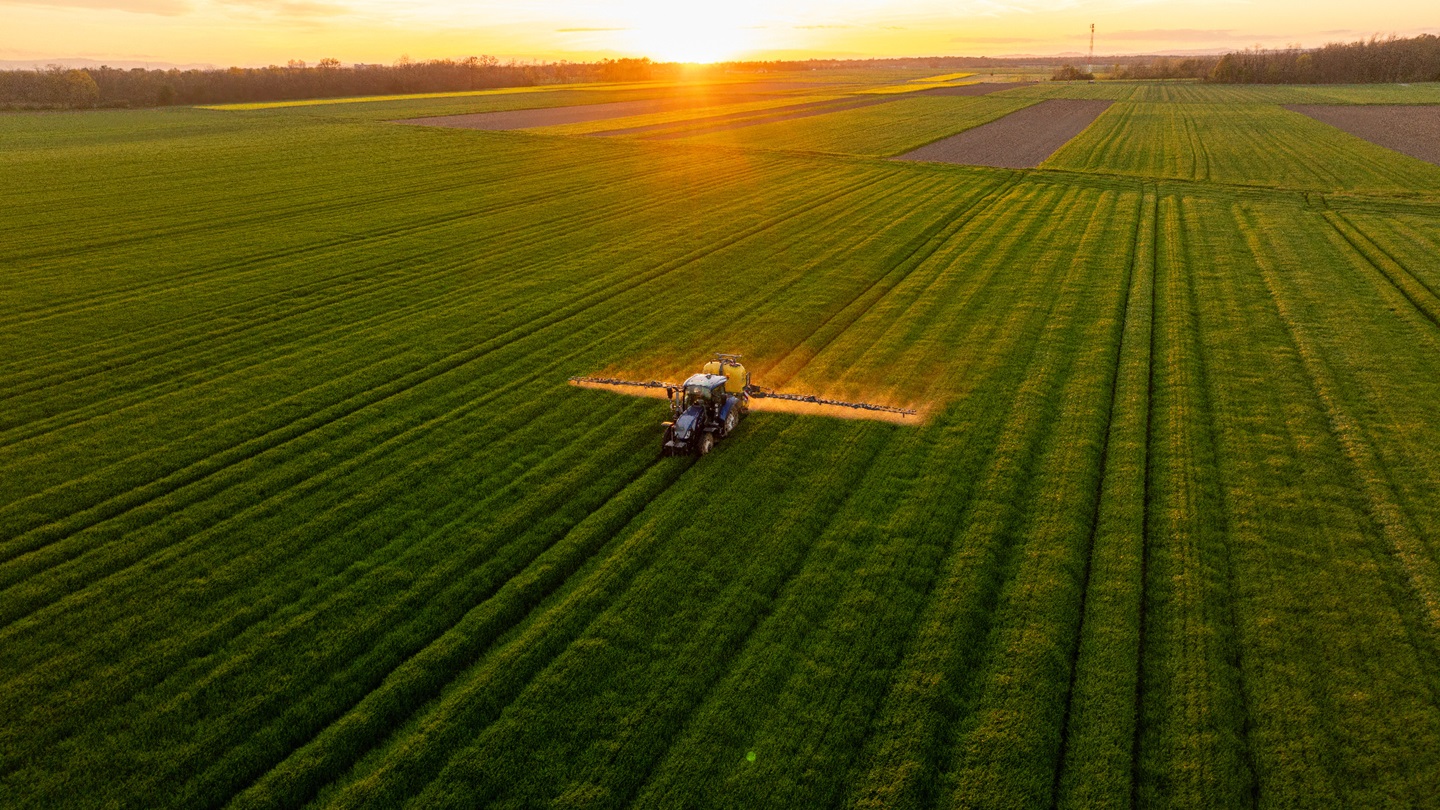
Editor’s note: This article is pulled together from industry releases. [Lead photo by SimonSkafar from Getty Images.]
Angus Beef Bulletin EXTRA, Vol. 18, No. 5-A
Topics: Events , Industry News , Management , Policy
Publication: Angus Beef Bulletin
Related Content


Current Angus Beef Bulletin
Our September issue focuses on the females of the herd and the records that validate them.