



Innovations on a Commercial Angus Ranch
From reducing calf stress to easing rotational grazing to just knowing where the cows are, innovations are making life better for the Smiths.
April 22, 2026
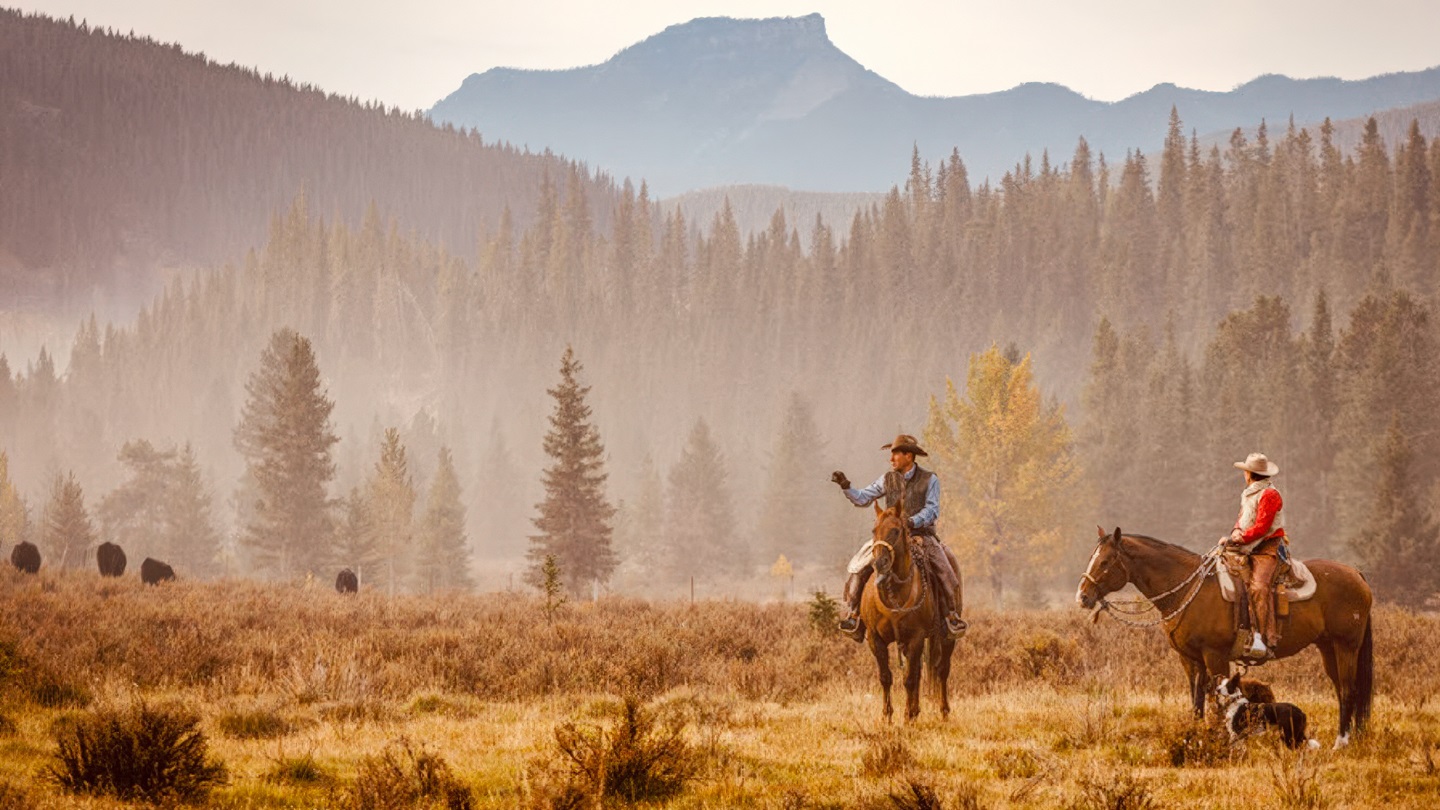
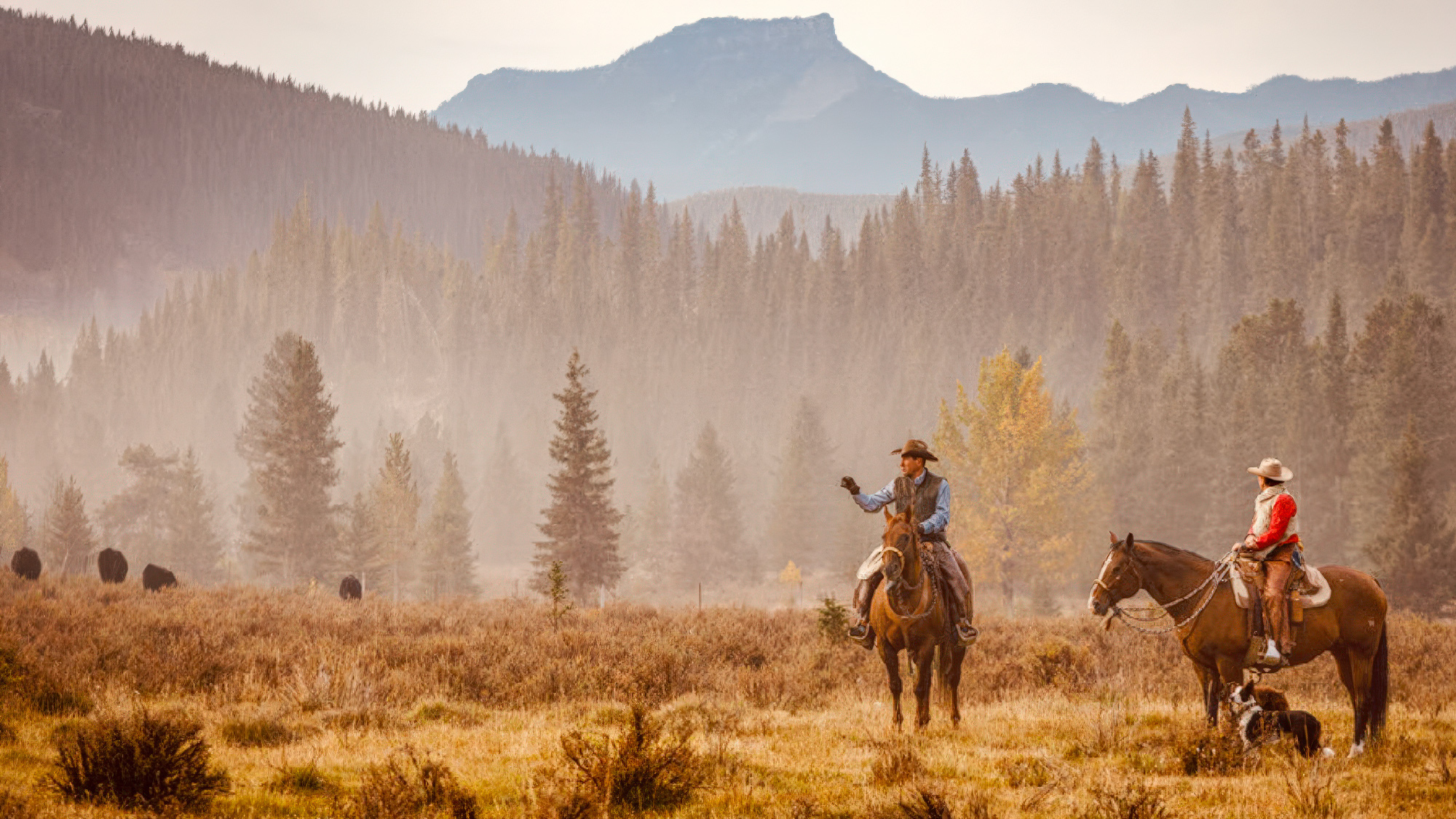
John Smith and his wife, Laura Laing, of Plateau Cattle Co. are progressive ranchers who try any new technology that might benefit their land and cattle. The recipients of the Alberta Beef Producers 2025 Environmental Stewardship Award have done some novel things with their cattle, as well as their land management.
John is third generation on the southern Alberta, Canada, ranch, and when he and Laura took it over from his parents, they converted the herd to Angus-based genetics.
“We’ve always tried to be progressive in any ways that made sense for us,” John says.
“We are involved with Olds College, doing studies to try to progress the industry and gain more insights,” Laura explains. “Every little bit counts — new knowledge to help with everyday practices — and hopefully our bottom line.
“We do tactile stimulation with our calves, a calf massage/imprinting at birth,” she continues. “The thought behind that is to lower their stress response — mimicking the mother’s licking the calf.”
Part of a three-year trial with Olds College, massaging the calf’s flanks and shoulders is intended to make the calf’s first experience with human handling a good one, and reduces stress response. It seems to result in less sickness in calves, improved weight gains and overall health, and potentially safer handling of that animal in the future.
“We’ve changed our focus on genetics with the leptin gene, breeding for animals that have lower feed intake and higher gain, and we’re starting to see results,” she says. The leptin gene regulates several traits, including feed intake, energy metabolism, body fat mass, milk production and reproduction. Variations in this gene can affect these traits and are used as molecular markers in breeding programs to improve growth efficiency, carcass composition and milk quality.
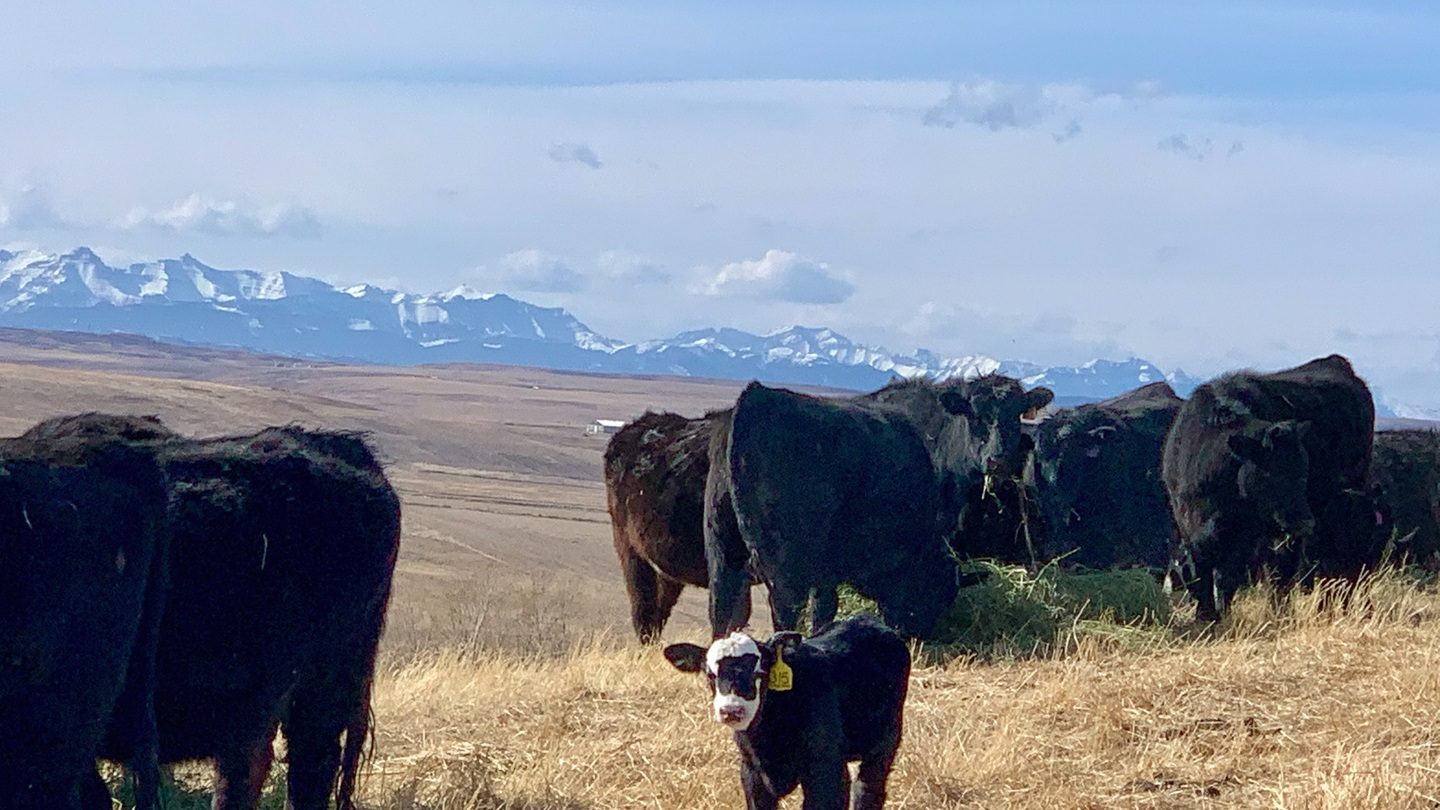
“We’ve changed our focus on genetics with the leptin gene, breeding for animals that have lower feed intake and higher gain, and we’re starting to see results,” says Laura Laing of Plateau Cattle Co.
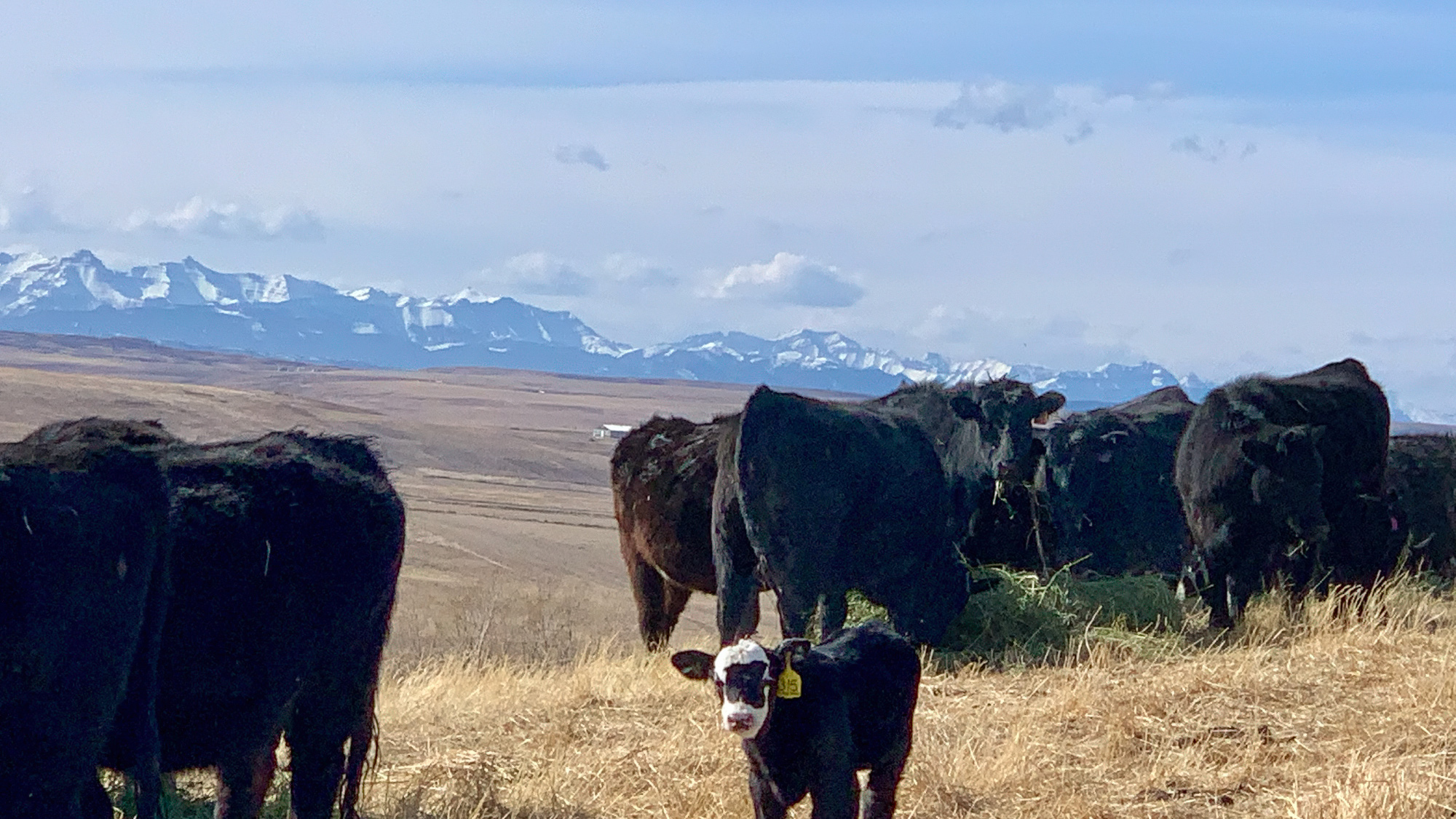
“Since we are in traditional cattle country, deciding to not brand our calves was a big change we made nine years ago. We followed a study in Australia that showed an 18- to 32-pound (lb.) gain [advantage] in calves that were unbranded,” Laura says, noting much of that has to do with cortisol and stress response. “We tried it one year to see how it worked and haven’t branded since.”
The couple modified their chutes with their own yoga mat design to provide a cushiony surface on the sides to gently squeeze the calves so they don’t need to catch their heads.
“They are in and out of that chute in less than 60 seconds to get their vaccinations,” Laura says.
“John and I can see every calf that comes through, and every cow, and get a weight for them,” she says. “We try to capture data everywhere we can and use a HerdTrack mobile online system for data entry. It shows average daily gains, and we manage all our herd health, calving reports and animal inventories.”
This fall they discussed trying a new product. Olds College suggested they help evaluate FerAppease®, which mimics a natural pheromone found in lactating cows (maternal bovine appeasing substance, or MBAS) that produces a calming effect on calves. Research has shown that when this synthetic version of the pheromone is applied topically, it produces a calming effect that can last up to 14 days. It reduces stress and may improve feed efficiency. Five milliliters (mL) of this liquid is applied to the poll and another 5 mL between eyes and nose. It minimizes the brain’s threat perception. Benefits include improved feed intake, easier handling and increased antibody production after vaccination. It can be used during stressors like weaning, castration and transport.
“It’s hard to collect data on this, but I think might help,” John says. “At this point we have to rely on the studies because this project did not materialize in time for this year’s weaning. It simulates the hormone that is triggered when the calf is sucking the cow and is supposed to have a calming effect.”
Starting in January the Smiths will be one of the first ranches in Canada to use virtual fence in a pilot program with Halter, putting collars on their cows to facilitate rotational grazing in big areas where there are no fences.
Being able to change fencelines remotely is a tremendous benefit, along with monitoring animal health, John says. “We will be able to see the body temperature of every cow. The ability to monitor cattle in the mountains will be very helpful. The government agrologist who determines our stocking rate said that this will easily bump up our AUMs (animal unit months) by 30% to 40%, and that’s huge on our government grazing areas.”
It will also enable better monitoring of predation.
“We can prove our kills right away, and the Halter folks told us that having cows in tighter groups, in more confined grazing areas for the rotations, they are seeing less predation,” he adds.
No longer will they wonder what happened to an animal that never comes home.
“One year we were short two pairs and we never knew what happened to those animals,” he says. Being able to monitor and care for them better is worth a lot, especially with today’s cattle prices.
Editor’s note: Heather Smith Thomas is a freelance writer and cattlewoman from Salmon, Idaho. [Photos by John and Laura Smith.]
Angus Beef Bulletin EXTRA, Vol. 18, No. 4-B
Topics: Animal Handling , Award winner , Equipment / Facilities , Health , Management , Ranch profile , Success Stories
Publication: Angus Beef Bulletin
Related Content


Current Angus Beef Bulletin
Our November issue focuses on the females of the herd and the records that validate them.