



From the Field
Notes from your regional managers regarding calf care, planning for prevention and the need to keep two eyes peeled.
April 22, 2026
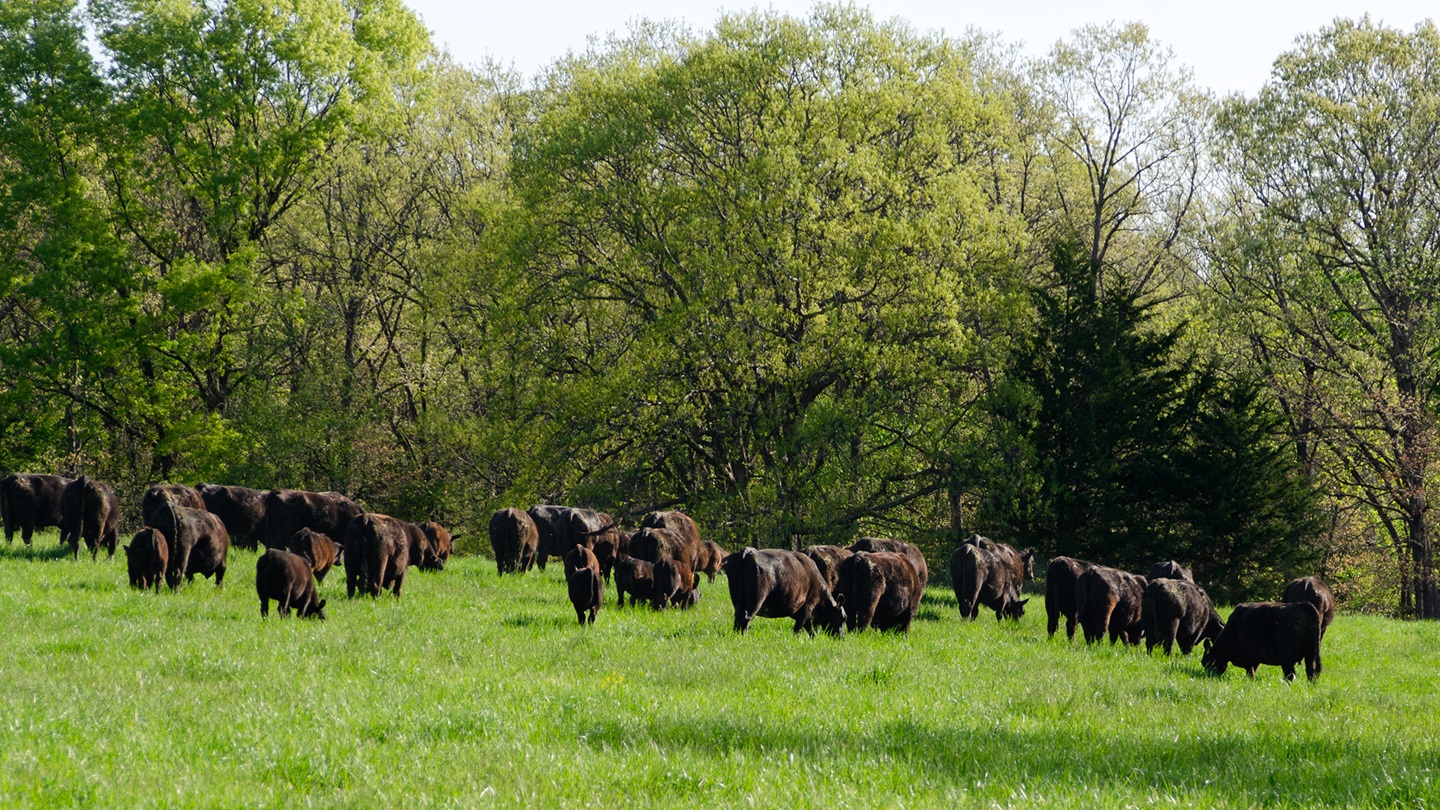

 The current state of the U.S. drought differs dramatically depending on what region is spotlighted. Regardless of how much moisture the ranch has gotten, there are sure to be challenges that pop up when temperatures begin to rise.
In this edition of “From the Field,” we chatted with regional managers David Gazda and Radale Tiner regarding calf care, planning for disease prevention and the need to keep two eyes peeled while cows are on pasture.
When planning pays off
The old adage maintains: “An ounce of prevention is worth a pound of cure.” When it comes to just how far an illness can back up calf growth and future thriftiness, that pound could be literal. Whether a producer has planned for fetal programming or is looking to nip a problem in the bud for next calving season, now may be the time to visit with your veterinarian regarding any continuing challenges your cow herd has faced when it comes to health.
“One big thing that I’ve been taught is vaccinating your cows before they calve,” says Tiner, Region 9 RM, who notes that visiting with your veterinarian prior to calving could stave off the heartache of sick calves. “A lot of producers are doing an eight-way before those [calves] are born. When they’re born, there are some things — depending on the area — that people will choose to give.”
A solid relationship with your veterinarian and the ability to look down the road at calfhood success is something that Tiner and Gazda, Region 2 RM, both suggest prior to calving (and as a safety measure for buyers down the road).
“Make sure those calves are on a good vaccination program, particularly if you’re going to ship calves after weaning. Have a round of vaccines in them before they’re taken off the cow, and then another round or two after they come off,” he says, suggesting that a conversation with whoever is buying or marketing your calves is also beneficial. “Just make sure they’re getting the vaccines that they need at the proper time.”
Cattle health is always at the forefront for farmers and ranchers, but when calves are bringing a premium, it hurts to lose any of them, he adds.
Watchful eyes
One thing nearly every region battles at one point or another is temperature fluctuations affecting calf health.
Gazda notes that his region may not see the same extreme, prolonged cold as other parts of the country, but temperature fluctuations can be a concern regardless.
“We have a cold snap and then the next thing you know, it’s 75°-80°. Then a week later, it’s back to being cold again,” he explains. “That up and down as far as temperature goes — from a respiratory standpoint — it’s tough on these cattle.”
Pneumonia, respiratory issues and digestive upset are all major players when calves don’t have a chance to acclimate between warm or cold temperatures.
Getting out into the herd long enough for cattle to settle and show their true colors can be incredibly valuable to producers, says Tiner. Whether caking cattle or just moving through them, having cattle used to a human presence makes life a little easier from an animal welfare perspective.
“I was always taught to stop and walk around them. Even in the summer when they’re not necessarily getting fed all the time, walk around them,” Tiner recommends, noting that evaluating the herd is beneficial whether they’re out grazing or have been called up with a feed wagon. Such times can be used as an opportunity to put eyes on fences, check for noxious weeds or evaluate any other concerns to the cow herd that might crop up.
Another thing to add to the list: Check for flies and ticks. While Gazda says tick pressure can vary between different locations within his region, nagging flies remain consistent.
“Be able to address flies and insects this time of year. Start some type of program,” he says, adding that scheduled calf work that is already occurring provides an opportunity to evaluate insect pressure and implement control measures before things get out of hand. “The flies will become a problem here really, really soon.”
Editor’s note: “From the Field” is a regular Angus Beef Bulletin EXTRA column featuring advice, industry news and Angus updates from regional managers of the American Angus Association. For information on how to contact your regional manager, click here.
Angus Beef Bulletin EXTRA, Vol. 18, No. 4-B
Topics: Health , Management
Publication: Angus Beef Bulletin
Related Content


Current Angus Beef Bulletin
Our November issue focuses on the females of the herd and the records that validate them.