




Preventing Anaplasmosis in Cattle
With cattle at record values, it is more important than ever to protect the health of our cattle inventory.
October 7, 2025
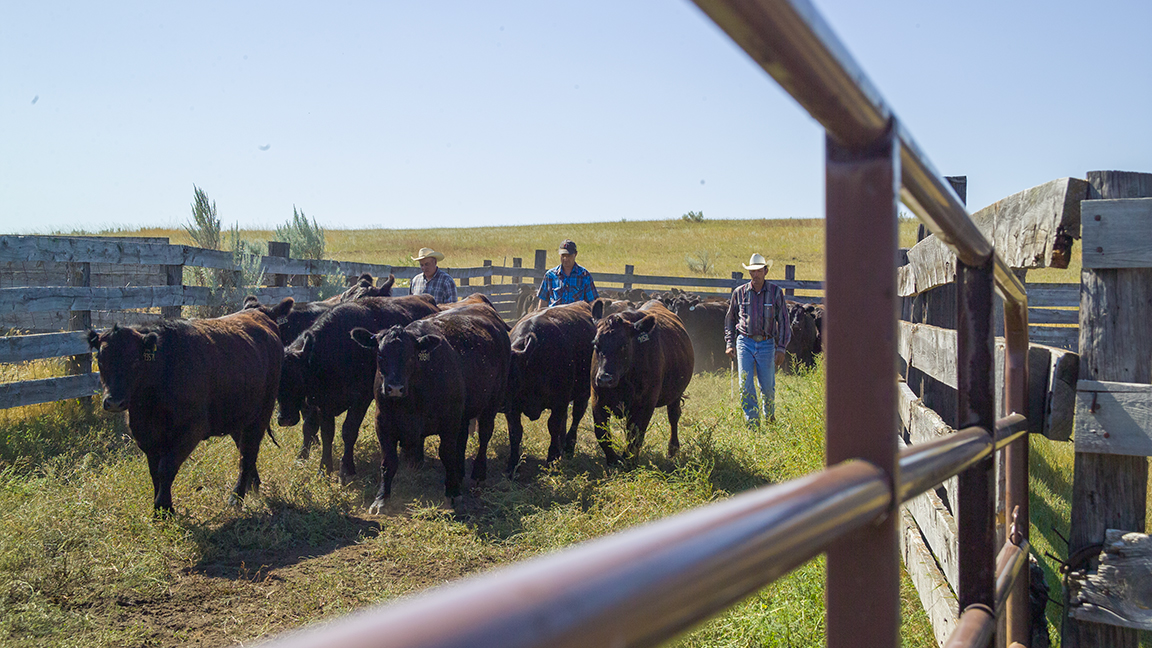

by Mark Johnson, Oklahoma State University Extension
Anaplasmosis is a common disease in cattle and has worldwide distribution. The disease is regularly found in cattle in the state of Oklahoma. Accordingly, anaplasmosis will occur every year in Oklahoma with some variation of intensity based on the strain of Anaplasma marginale.
A. marginale is a bacteria that infects red blood cells. Once an animal becomes infected, it is infected for life.
Anaplasmosis is transmitted through the bite of ticks and flies, as well as blood-contaminated instruments like needles, tattoo tools, castration equipment and dehorning instruments.
This bacterium does not harm the red blood cells directly, but the cow’s immune response recognizes it when it reaches certain levels, which then causes anemia due to the immune system killing infected red blood cells. This will limit the amount of oxygen transported throughout the animal’s blood, which can then lead to aggressive behaviors exhibited by normally docile cows or bulls.
Other clinical signs indicating animals are infected with the bacteria are extreme lethargy, yellowing of the mucous membranes, abortion, weight loss and difficulty breathing. Most producers will not know they have an anaplasmosis problem until they see dead cows or bulls older than 2 years of age. The disease can be devastating, with death losses in some herds approaching 50%.
Fortunately, anaplasmosis can be effectively controlled through several management practices outlined in this article.
Best management practices
First, consult with your veterinarian so they can develop a comprehensive plan to limit the effects of anaplasmosis. This relationship is critically important because the most commonly used control plan is to administer tetracycline antibiotics through mineral supplements or feed; however, the only access to this preventative treatment is to obtain a veterinary feed directive (VFD).
Clinical signs of infections can be treated with injectable antibiotics via an intramuscular injection of oxytetracycline administered multiple days and should be given under a veterinarian’s directions.
Successful antibiotic therapy curing the clinical signs of infection results in a carrier animal. Carrier cattle will be immune to further disease from anaplasmosis but will remain a source from which needles, flies and ticks can spread the disease. A vaccine is available in some states, and Oklahoma is approved for this vaccine. This vaccine does not prevent infection, but anecdotal evidence demonstrates a reduction in clinical signs.
“In Oklahoma it is not a matter of if but rather a matter of when anaplasmosis will affect your cattle herd.” — Mark Johnson
In Oklahoma it is not a matter of “if” but rather a matter of “when” anaplasmosis will affect your cattle herd. Additional best management practices to prevent and control the transmission of this disease include:
- Feeding tetracycline antibiotic during the fly and tick seasons (essential);
- Rotating pastures (when possible) to avoid pastures with a history of tick issues during tick season;
- Burning pastures in the spring to control ticks;
- Controlling fly and tick populations to the extent possible; and
- Changing needles and disinfecting any instruments that may result in transmitting blood from animal to animal when working cattle.
Editor’s note: Reprinted with permission from the OSU Cow-Calf Corner newsletter. Mark Johnson is a beef cattle breeding specialist with OSU Extension. [Lead photo by Shauna Hermel.]
Reference: Anaplasmosis: People, Ticks and Certain Flies. Justin Talley. Cow-Calf Corner newsletter. June 2021.
Angus Beef Bulletin EXTRA, Vol. 17, No. 10-A
Topics: Health , Management
Publication: Angus Beef Bulletin
Related Content



Current Angus Beef Bulletin
Our September issue focuses on the females of the herd and the records that validate them.