




Thwarting Parasite Resistance
Effective control products are available, but proper management is necessary to maintain their effectiveness in your herd.
September 3, 2025
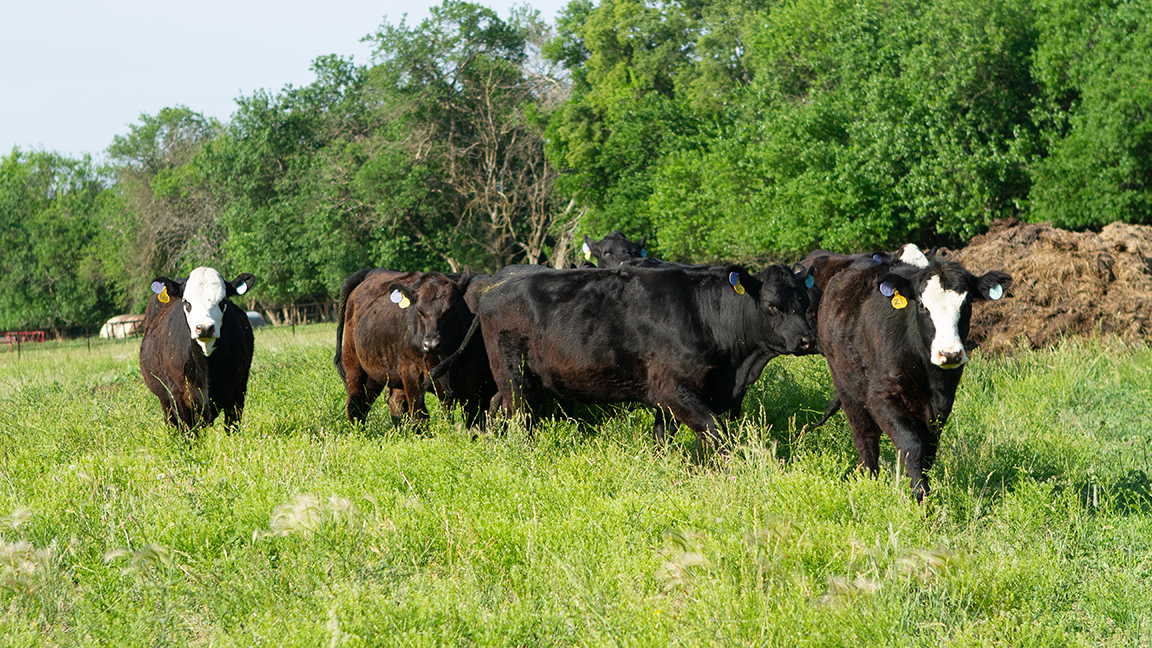

Cattle producers have many tools for controlling parasites, but they need to use them properly. Otherwise, the parasites tend to develop resistance to control methods, says Joe Gillespie, technical services veterinarian at Merck Animal Health, adding it is important to understand your risk for negative consequences of parasites. “This is the first step in determining how to do a better job of managing and reducing the chance for parasite resistance.”
The advice he gives producers regarding resistance issues — whether antibiotics, internal parasites or external parasites — starts with three important things:
- “No matter what product you use, always use it according to label directions,” he advises.
- “Second, apply the product at [the] appropriate dose,” he says. Both underdosing and overdosing can be detrimental, and underdosing increases the risk for parasite resistance.
- “Third, apply at the appropriate time to best manage that type of parasite,” Gillespie says. For example, don’t put fly tags in cattle in January.
“If we use the same tool over and over, ultimately there will be some parasites that survive. They will be the ones reproducing, building a population of resistant pests,” Gillespie explains. They may not be completely resistant, but they will become more tolerant of the control method.
“What we are using more now is combination therapy,” he explains. “For a product to be labeled for a certain application it must have a certain efficacy. If we have two products that each have successful effectiveness and use them in combination, we have multiplied that level of effectiveness. A much lower number of parasites survive and become resistant.”
This method is used a lot for controlling internal parasites, especially in small ruminants that have serious issues with resistance.
“If we consider this when making a plan for controlling parasites in cattle, it can help,” Gillespie explains. “Producers should discuss this with their herd health adviser, which is typically their veterinarian. Consult with someone who understands the implications of using products inappropriately or effectively. We then have lower risk for parasites developing tolerance — and ultimately resistance — to the products we are using.”
Many people think that if they use X product this year and Y product next year — and keep alternating them back and forth — they will thwart resistance.
“What often happens in this situation is that instead of getting resistance in five to 10 years to one product, we now have resistance to two products,” he says. This is what happened early on with use of fly tags.
“However, with a combination of products — which is more widely used in dealing with internal parasites than with flies — we can delay resistance much longer, especially when using correct dose and application,” Gillespie says. “We can maybe thwart the opportunity for long-term development of resistance.”
Gillespie says another option for flies is feeding an insect growth regulator in minerals or feed. The product ends up in the manure where flies are laying eggs. Even though the eggs hatch, the larvae cannot mature and become flies. Using a feed-through product is easier in a feedlot or small pasture, however, where cattle are consuming the mineral or supplement.
The main thing is to have a good management plan.
“If you don’t have a plan for parasite control, in a year when there are more flies, you will have more fly issues,” Gillespie says. You will never eliminate parasite resistance, but you can reduce and slow it down.
If you have issues in the future, consult again with your veterinarian, he advises. You may be able to come up with a new plan that might help.
Editor’s note: Heather Smith Thomas is a freelance writer and cattlewoman from Salmon, Idaho. [Lead photo by Leann Schleicher.]
Angus Beef Bulletin EXTRA, Vol. 17, No. 9-A
Topics: Health , Management
Publication: Angus Beef Bulletin
Related Content


Current Angus Beef Bulletin
Our September issue focuses on the females of the herd and the records that validate them.