

Livestock Insurance: Five Common Mistakes
Stop assuming. Start asking questions.
February 20, 2026
Two years ago, last August, I was walking out of church when I received a text from my mom: “All our hay is burning up!”
Mom loves to leave a question hanging in mid-air, so I just called her.
“What do you mean the hay is burning?” I barked. It was a beautiful Sunday in August.
“Our haystack is on fire!” she frantically responded. “I don’t know how it started, but we’re going to lose the whole thing!”
I loaded up my family, and we drove to the feedlot where we watched 3,000 tons of alfalfa hay burn and burn and burn. The last hay bale had been unloaded and stacked the previous Friday.
Questions swirled. What in the world happened? Was it a hot bale? Could it have been sparks from the feed wagon? Did someone trespass and cause some mischief? How were we going to survive and replace what was lost? Would there be any insurance help?
A few weeks later, through some investigative work, we determined it was most likely a lightning strike. The USDA Farm Service Agency (FSA) assisted with the losses, and bankruptcy was avoided. But, the whole episode had me thinking: Was the hay shed next to my house covered under the farm policy? What about the hay stacked underneath it? Did I have coverage on my own winter’s worth of feed?
With a quick call to my agent, I learned the shed was covered, the hay wasn’t, and peace of mind comes down to the detailed questions.
The purpose of insurance is to give us peace of mind; so, why do we often find ourselves frustrated about coverage and cost?
On the flip side, when an insurance company exceeds our expectations by replacing what was lost, it’s hard to find a happier customer.
Livestock insurance experts Susan Coon of Winter-Dent and Jim Bessler of James F Bessler LLC leaned in and explained the five most common mistakes farmers and ranchers make when it comes to insuring cattle.
Mistake No. 1: Assuming too much
According to Coon, producer for Winter-Dent based in Jefferson City, Mo., the top mistake anyone can make is assuming they understand their policy well enough not to have to ask any more questions and, secondly, thinking their insurance agent understands their operation well enough without getting all the details from the rancher.
Coon says she sees these scenarios play out every day in the insurance world. Farmers and ranchers enjoy their autonomy and understand there is inherent risk involved in their livelihood. They often leave out certain details or oversimplify complex situations.
“Sometimes farmers don’t want everybody to know their business, so they don’t share everything,” says Coon. “Your insurance agent isn’t prodding you for future gossip material. They need to know these things. And they shouldn’t be talking about it with anyone else.”
She encourages operators to explain their operations in detail. Don’t be timid about asking the agent questions about issues like coverage options and exclusions.
If you raise and sell bred heifers and need to have coverage on them, make sure you explain who owns the bred heifer, where she will be housed, if you plan to retain ownership of the bred heifer, and if she will be hauled to different farms during the annual insurance contract, says Coon. Don’t assume your agent understands your plan to develop the heifer.
Agents should be asking plenty of their own questions. Coon says she makes it a point in her business to ask many questions and really try to understand the client. If your agent isn’t asking pertinent questions, you may want to ask yourself if they really should be your agent.
In Bessler’s arena of high-dollar cattle with elite genetics, he has seen almost the opposite track of assumptions. With the genomic tools the breeds provide today, new breeders without much “livestock experience” now have the confidence to spend more money on higher-performing cattle. Those elite, higher-performing individuals require a higher level of management and care than some breeders can provide. The elite cattle do not survive well in these situations.
“The insurance companies are taking the hit in these situations, as insured values are concentrated on fewer, but higher-valued individuals,” he explains.
His recommendation: “Spend as much time and money finding qualified management and caretakers as you do selecting the cattle you purchase. The livestock mortality coverage is only one important tool in protecting your investment in the new genetics you are introducing into your breeding program.”
Mistake No. 2: Not reading the policy closely
An insurance policy is a legal contract, notes Bessler. You must read through and understand any legal agreement in which you enter. Insurance coverage protects your investment in the animal; cattle cannot be insured for more than the current purchase price.
As you move beyond the time of purchase, values can be adjusted as occurrences in the life of the animal change, he explains. Those value changes can include decreases in the insured value of an animal as you recover your investment.
Because the policy is an insurance contract, it must be between adults. Most junior show heifers cannot be insured by the junior member in whose name they are registered, because that individual is not 18 years of age. Because it is a legal agreement, the insurance application must be signed by an adult. Bessler often tells those insuring show heifers, “It does not matter who the heifer is registered to; whoever wrote the check for the heifer has the insurable interest in it, normally a parent, ranch or other adult.”
According to Coon, livestock policies can vary in several ways. For instance, some policies cover natural causes of death like lightning, fire, suffocation and/or electrocution.
Other policies, especially those for high-dollar cattle, are more encompassing and cover diseases and almost anything related to cattle, she continues. However, within that policy are stipulations like the animal(s) must be seen every day, that the insurance company must be notified of certain situations regarding the animal’s well-being, what to do if the animal is hurt or sick, and more. The policyholder won’t know these stipulations unless they have read the policy thoroughly.
“Your agent should be telling you those things, which would make you want to read that policy a little bit closer,” says Coon.
When reviewing an annual policy, she advises starting with the Declaration Pages, which will list the coverages. It may be tempting, but don’t stop there. Dig further into the policy, says Coon, and look at the coverages. See what’s excluded. On a livestock policy, for instance, what types of animal death are covered, and what are the exclusions?
“It’s important not to assume your policy is the same as last year. Read the policy and make sure, because insurance companies are constantly changing,” Coon clarifies.
“It’s important not to assume your policy is the same as last year. Read the policy and make sure, because insurance companies are constantly changing.” — Susan Coon
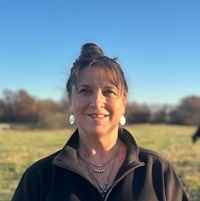
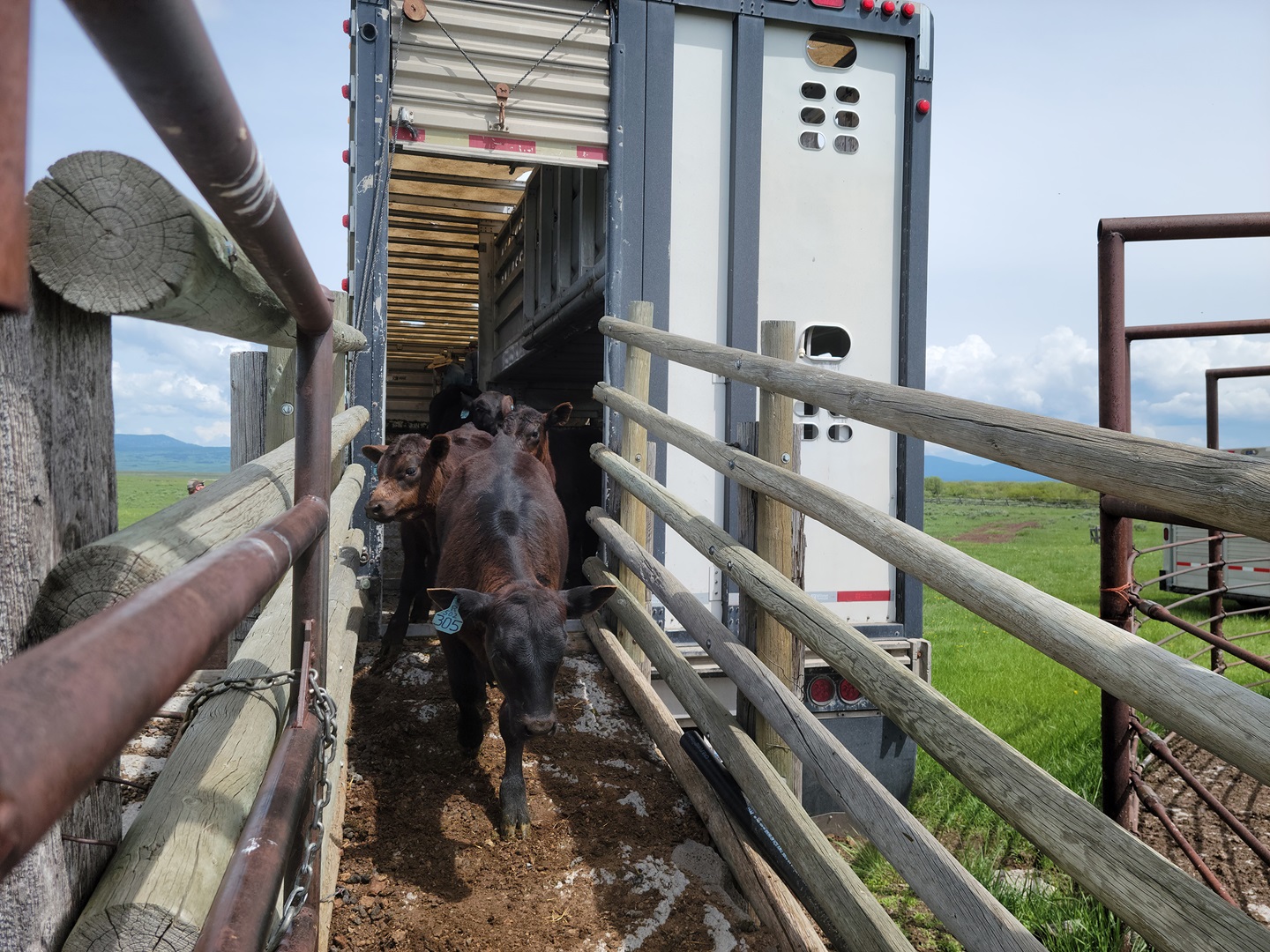
The first mistake anyone makes about livestock insurance is assuming anything while lacking a full explanation.

Mistake No. 3: Not enough coverage
Don’t assume the coverage you’ve been paying for during the last decade is still enough in today’s market, Coon says. If you have cattle listed on your personal farm policy, it may be time to increase those values for commercial and purebred cattle, with the market being at an all-time high.
Mistake No. 4: Postmortem procedures
A critical aspect of understanding your insurance policy and placing a claim is upholding your agreement obligations. Again, those obligations may change from policy to policy, notes Coon.
“In the case of death of an insured animal, or any serious injury or illness, prompt reporting of the loss or condition to the insurance company’s claim department is a requirement of coverage,” says Bessler. Some animal owners do not understand the need to promptly report injuries or illnesses that may not be life-threatening when they occur. The company will monitor the condition of injured or sick animals. If the company does not feel everything that can be done to save the animal’s life is being done, they have the right to become involved in the animal’s care or even take possession of the animal.
“If you do not notify them of the condition, so that they have that opportunity, your claim can be denied if the animal deteriorates, because the company was not provided the opportunity to monitor the care of the animal,” he states.
“In the case of death of an insured animal, or any serious injury or illness, prompt reporting of the loss or condition to the insurance company’s claim department is a requirement of coverage.” — Jim Bessler

The policy will outline the procedure for filing a claim, explains Coon. A phone number will be listed that you should contact immediately or within 24 hours, depending on the language in the policy. The policy will also stipulate if an autopsy is needed and the timeline.
“Don’t make the assumption that it’s on a holiday, so your vet’s not available, so you can’t get another local vet,” Coon cautions. “You absolutely must call the insurance company, and the policy will provide the number to call. There’s somebody that monitors the hotline at all times.”
Mistake No. 5: Additional policies besides liability
Today’s farms and ranches can’t be quantified as a simple back 40. They are places of commerce; meaning certain operations may need new coverages they haven’t had in the past. Farm stands, pumpkin patches and farm tours bring additional complications and potential problems to the farm that need coverage.
If the shed where you sell ranch-raised beef and free-range eggs gets hail damage, “Does your policy cover it, or do you have a cosmetic exclusion?” asks Coon.
Anything that draws a crowd to the farm needs an event policy, she adds. That could be a once-in-a-while farm tour or it could be the annual fall harvest pumpkin patch.
“An event policy is relatively inexpensive,” she adds.
“No one likes insurance,” laughs Coon. Yet, we all like peace of mind, so throw assumptions out with the bathwater and work with your agent to dial in the right coverages for your operation and your own peace of mind.
Editor’s note: Paige Nelson is a freelance writer and cattlewoman from Rigby, Idaho.
Related Content


Current Angus Beef Bulletin
Our September issue focuses on the females of the herd and the records that validate them.