


Get Off the Ground With a Hay Barn
Investing in a hay barn? Here are tips from hay barn owners.
February 20, 2026
In 2023, Bill Lipscomb decided it was past time for a hay barn.
“We’re buying all our hay and getting some really good quality,” he explains. “I wanted to retain the quality, plus we were getting some hay loss storing bales outside.”
The result was a 40-foot-(ft.)-by-100-ft. pole barn. While he still has to store 100 Bermuda grass round bales outside until he feeds them, now 200 round bales are high and dry. He offers a few tips.
► Keep it in your sites
Lipscomb didn’t have to look far for the right site.
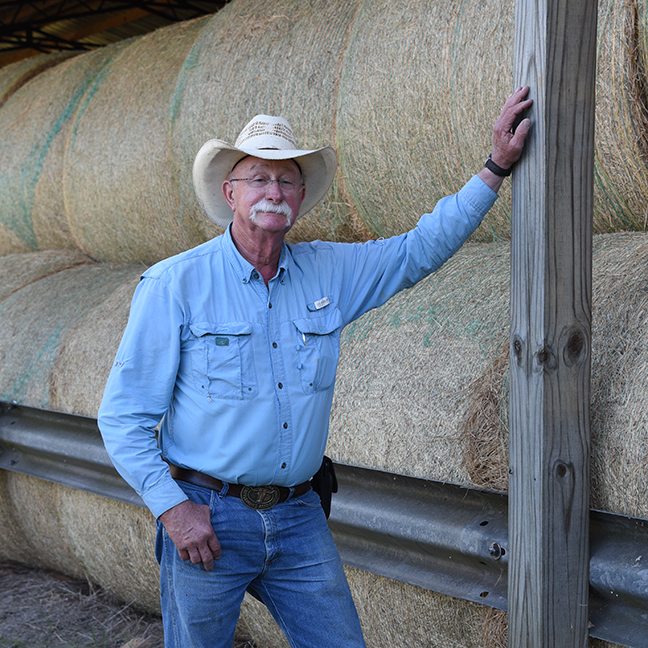
Prattville, Ala., cattleman Bill Lipscomb says a hay barn is a good investment.

“We’re fortunate we had a place that was ideal,” he says. “It had good drainage and was sandy ground, so it didn’t hold water too bad. It’s where we were stacking round bales on the ground anyway.”
It’s also convenient, just a few yards from the commodity barn and next to the working pens of 3L Ranch, the Prattville, Ala., Angus-Hereford operation he operates with his sister, Linda Lipscomb. Pastures are also an easy haul.
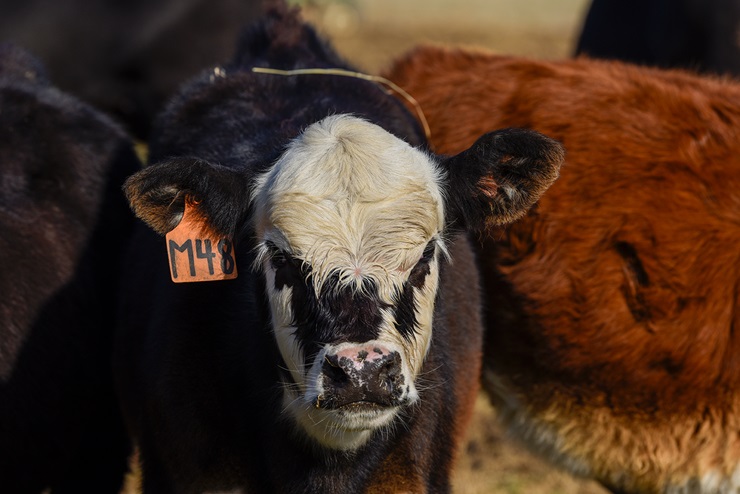
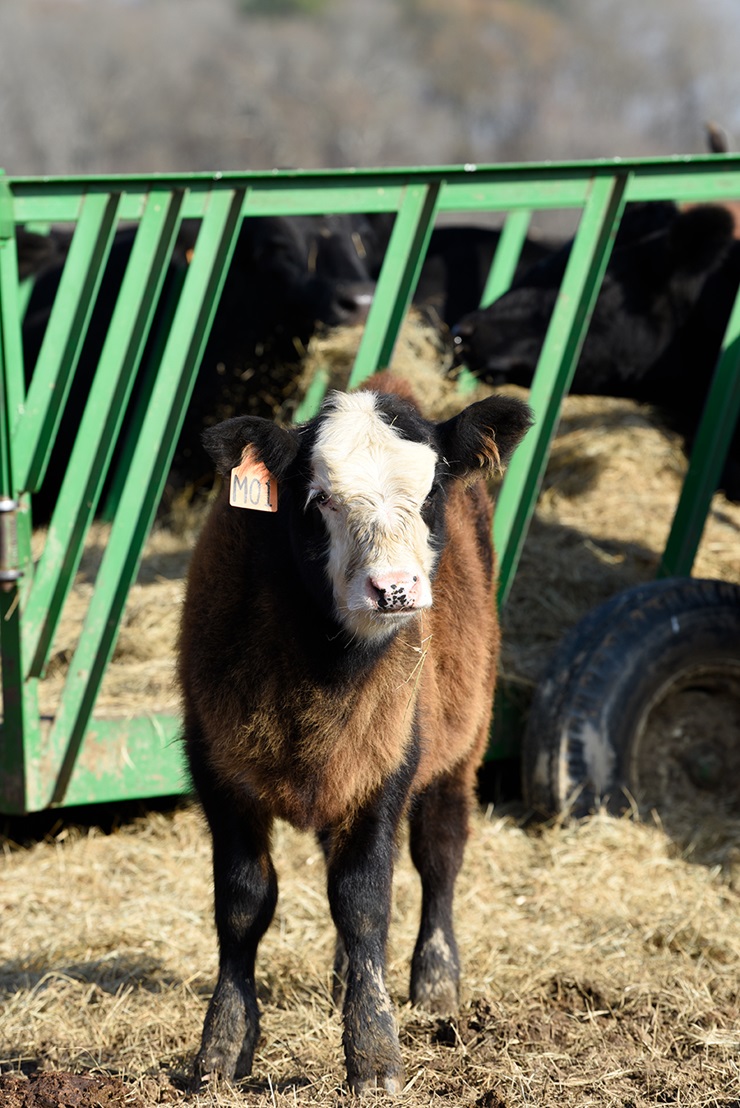
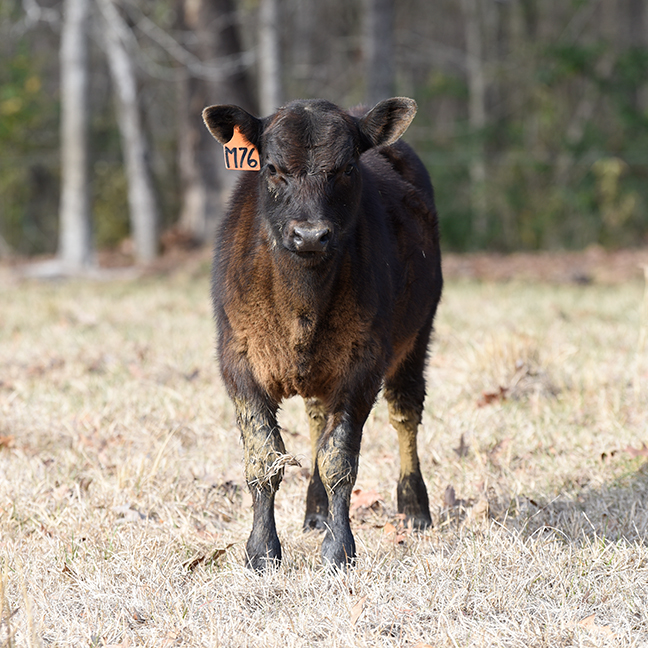
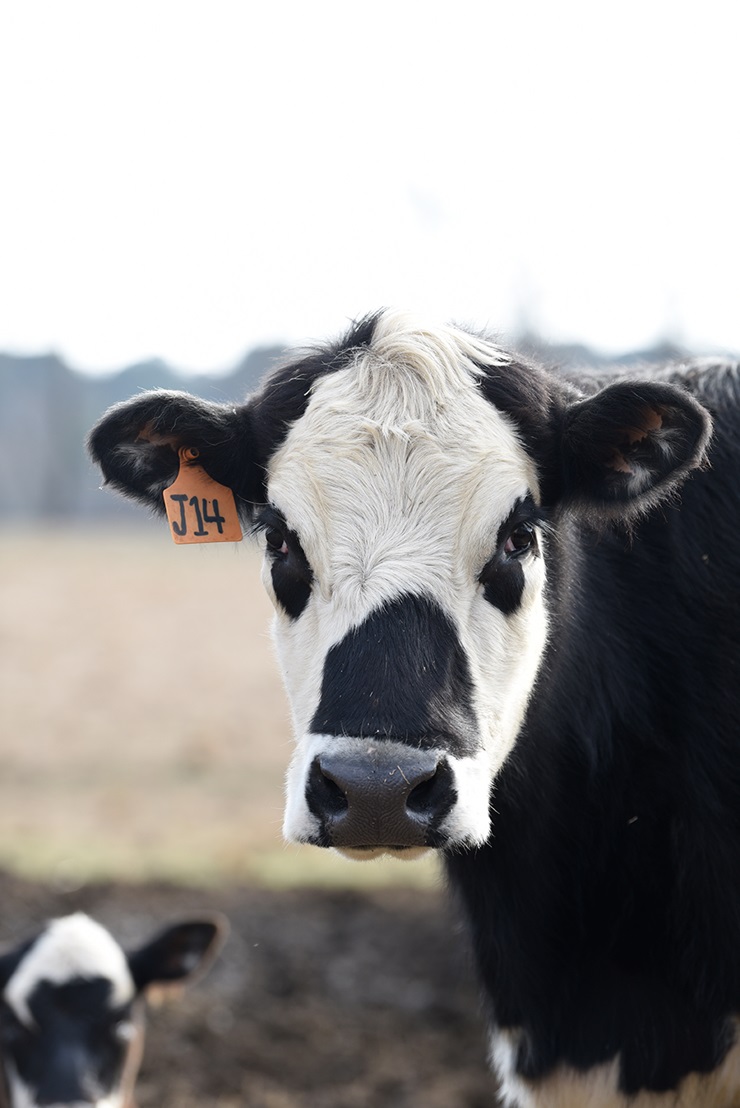
Bill Lipscomb cattle
► Drainage sets the stage
Even with natural drainage in his favor, Lipscomb didn’t take any chances. He built the foundation up a foot with preconstruction grading, loads of gravel and crusher run (a mix of crushed rock, gravel and fine stone dust).
Savannah Tanner, Emanuel County, Ga., extension coordinator agrees with Lipscomb’s emphasis on drainage and recommends at least a 2% slope away from the walls of the barn or, if there are no walls, the barn itself. If drainage is a problem after you’ve built your barn, she says you can add gutters or ditches around the barn.
“Have a well-drained area around the barn for loading and unloading hay so you don’t end up with mud damage to your vehicles and equipment, as well as ruts,” she advises. “That area needs to be at least 75 feet by 125 feet.”
► Rock, dirt or concrete?
While Lipscomb depends on crusher run to drain moisture away from stored hay, cattleman and commercial hay producer Ronny Shingler has dirt floors in part of his hay barns and concrete in others.
“Both create their own issues. Dirt creates dust, which can be a problem. Concrete tends to sweat, and moisture comes up through the concrete,” he says. “One of the neatest things I’ve seen is I have a friend who stores a lot of perennial peanut hay. He put asphalt fines in the bottom of his hay barn. That’s a lot cheaper than concrete, and it seems to work pretty good.”
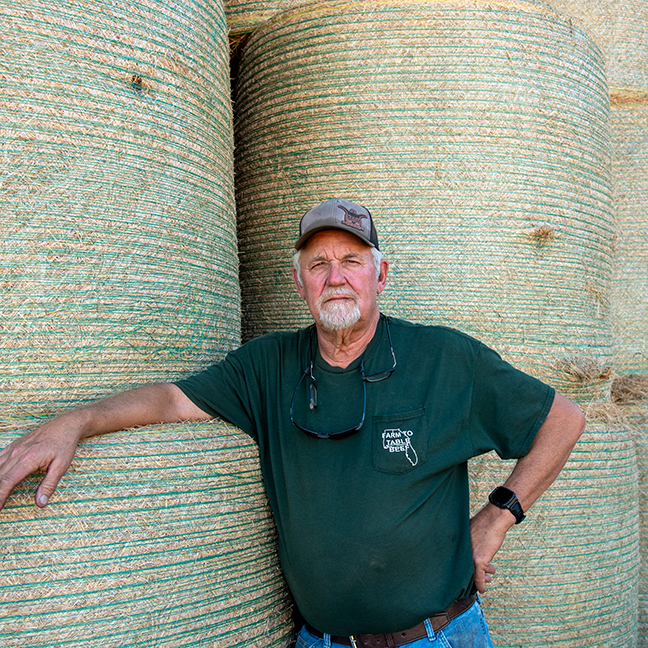
Ronny Shingler has both dirt and concrete floors and says both have their issues.

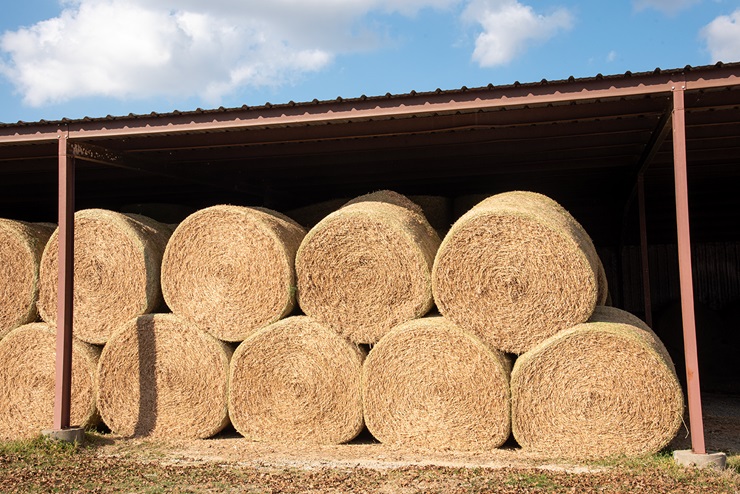
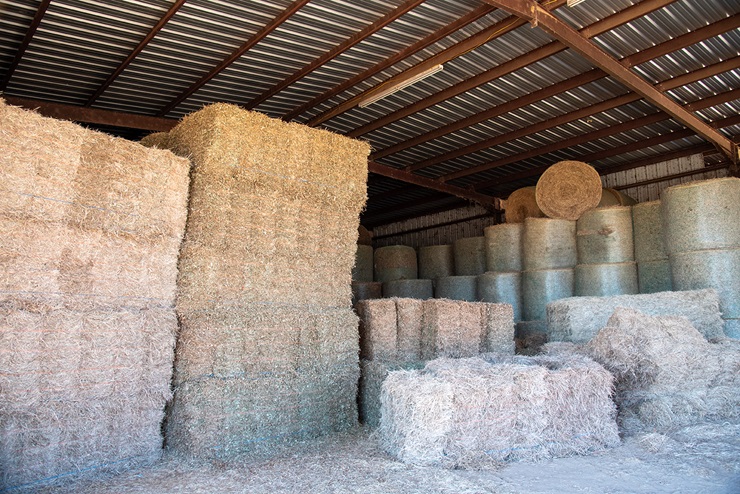
Shingler Farm
On his dirt-floored barns, Shingler, who owns Shingler Farms with his wife, Renee, uses a combination of pallets and loose hay and pallets on the concrete-floored barns.
► Steel or wood?
There’s also the barn itself. The Blakely, Ga., producer has barns built from red iron as well as pole barns.
“At the time we built them, the red-iron barns were more expensive than pole barns, maybe 15% to 20%; but now the cost has almost doubled,” says Shingler. “You almost can’t afford to build a red-iron hay barn.”
His solution — building pole barns instead, because they are so much more inexpensive.
“The limiting factor on a pole barn is clearance between the posts and poles,” he notes. “You get so much more clearance with a steel barn. But, it takes a high-value crop to justify it. Alfalfa, perennial peanut would work, but not regular grass hay. No doubt, it’ll protect the quality of the hay, but somebody’s got to pay for it.”
He adds, “Steel beams certainly last longer, but it’s interesting. When Hurricane Michael came through in 2018, we lost two red-iron barns, which are steel beams with steel rafters; and we only lost one pole barn. We also had two pole barns that had very little damage.”
Shingler notes that their pole barns are usually built on a 12-ft. center, while the iron buildings are on a 25-ft. or 30-ft. center.
“You can span longer, but it doesn’t do any good with 150-mile-per-hour wind,” he says. “I promise you, though, nothing does. We lost 27 oak trees in my yard, and these trees have been here for 100 years.”
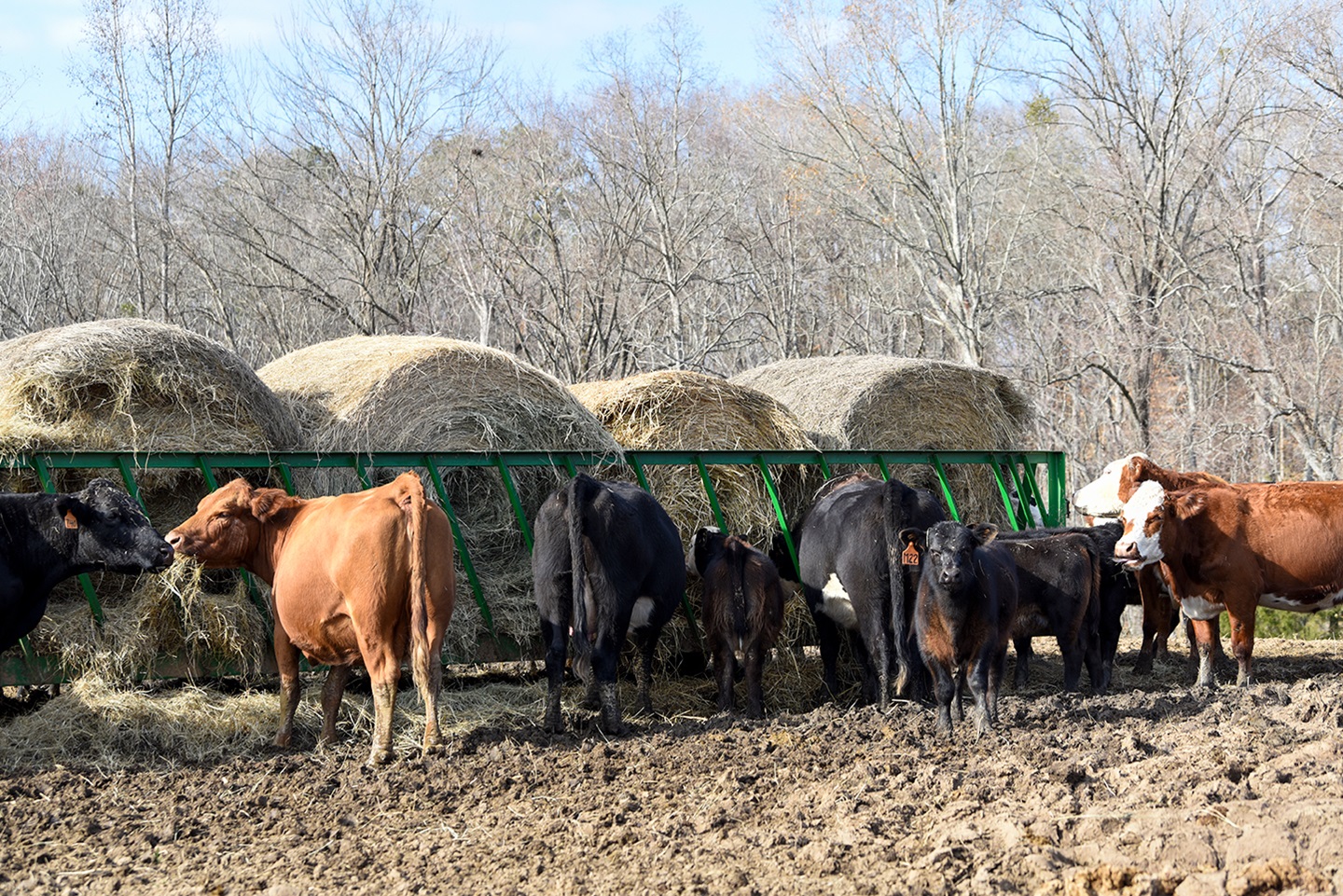
Bill Lipscomb buys the hay he feeds the cows and calves on the family farm.

► How high is too high?
Shingler stops at 18 ft.
“We can stack about 20 feet, but 18 feet is as high as our barn will accommodate with midsized tractors and front-end loaders. You could go taller, but anything above that, it takes a telehandler to stack it, and a lot of people do not have access to a telehandler. That’s something else Hurricane Michael took away from us.”
Shingler explains a telehandler is similar to a tractor frame with a long boom, or a forklift that will pick up to 40 ft.
When stacking hay with a forklift, Shingler warns, “I know of two people in this area who’ve been killed stacking hay so high. Hay gets pretty unstable when you get over 18 feet to 20 feet.”
Lipscomb’s barn is 12 feet high at the eaves, but, he says, “If I had to do it again, I’d make it 16 feet at the eaves.” Besides hay, he says the additional height would make it possible to store larger equipment.
Actually, he is thinking about doing it again, possibly next year. He priced a 40-ft.-by-96-ft. pole barn at $14,000 for the materials and $2 per square ft. for labor at $8,000. “I’ve heard a lot of university folks say you might as well build a hay barn because you’re gonna pay for it anyway in hay loss.”
Tanner, the Emanuel County extension agent, agrees.
“According to research conducted by the University of Georgia extension ag economics team, a well-planned hay barn can result in annual net savings of several thousand dollars from fewer hay losses and better overall forage quality,” she says.
Shingler concludes: “You can never have too many barns.”
Becky Mills is a freelance writer and cattlewoman from Cuthbert, Ga.
Angus Beef Bulletin EXTRA, Vol. 18, No. 4-B
Topics: Equipment / Facilities , Feedstuffs , Management , Pasture and Forage
Publication: Angus Beef Bulletin
Issue: March 2026
Related Content


Current Angus Beef Bulletin
Our November issue focuses on the females of the herd and the records that validate them.