


Keeping the American Dream Alive
How building a lasting relationship with your ag lender could turn the seemingly impossible into reality.
January 6, 2026
We learn about it in grade school, and its ideals apply to anyone willing to put in the blood, sweat and tears needed to bring their daydreams to life. Far more real than the figments of wandering minds, the American Dream promises a land of opportunity offering freedom and equality to all persons who work hard and have the will to succeed.
While roadblocks are placed in the path of beginning producers, building a team of trusted professionals is critical to getting a good start from the jump. In a world where the price of inputs, equipment and land seem to be ever increasing, here are some tips to begin seating a financial professional in your corner.
The current state of U.S. agriculture
The statistics are hard to ignore. Production agriculturists in the United States are growing progressively older.
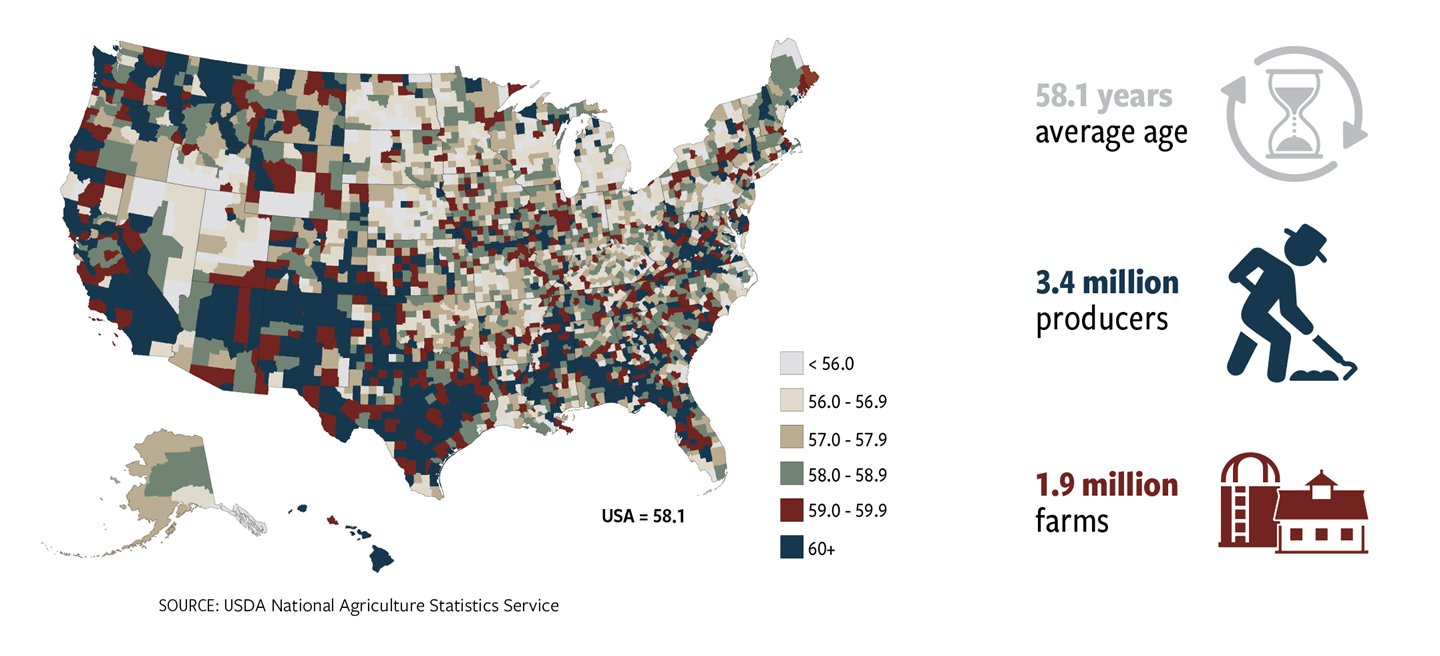
Fig. 1: Average age of producers by county, 2022

According to the USDA National Agriculture Statistics Service (NASS), the average age of the American farmer in 2022 was just over 58 years. The data further illustrate a long-term trend of aging among U.S. farmers and ranchers.
Add the rising costs of farming and ranching to the ever-increasing age of producers, and concern begins to build over who will feed the next generation. The answer could lie with an ag lender who understands both the background and future goals of a beginning producer.
NASS defines a beginning producer is one who has farmed for 10 years or less. In 2022, NASS data showed that slightly more than 1 million of the 3.4 million ag producers were beginning farmers or ranchers.
Slightly open to interpretation, a beginning producer could be someone brand new to agriculture or a young rancher who may be staring down the opportunity to take over from a family member.
“We have seen generations leave the farm and not come back. It’s encouraging because now we’re seeing a younger generation hoping to return,” says Kyler Brumley, a lender with Oklahoma AgCredit, in its Kingfisher, Okla., office. “There are a lot of challenges in front of new producers, but it’s encouraging to see the generation who once didn’t come back to the farm is now looking for an entry point.”
Whether an experienced rancher looking to put their mark on the family operation or a soon-to-be first-generation producer, opportunity abounds for those willing to put in the work — and provide the proof they are prepared.
“There are a lot of challenges in front of new producers, but it’s encouraging to see the generation who once didn’t come back to the farm is now looking for an entry point.” — Kyler Brumley

The must-haves
Benjamin Franklin once said, “By failing to prepare, you are preparing to fail.” It turns out the saying rings true when it comes to building a solid business foundation as well. Having a plan and a solid grasp of how you plan to arrive at your intended destination is good practice prior to approaching your ag lender, says Lane Winter, vice president of lending with Oklahoma AgCredit, also based in Kingfisher, Okla.
“The first thing [I look for] is a clearly defined business plan,” Winter notes. “Right now with the overall price of cattle, and even the price of real estate, the biggest point is cost mitigation. Do [we] have a plan in place for how to mitigate risk? That’s one of the biggest things we would like to see prior to applying for a loan.”
One valuable item to include within that business plan: A balance sheet.
Brumley says an updated balance sheet gives lenders a strong overview of an operation.
“I would say a balance sheet — updated preferably within the last 60 days — is huge. That will give a pretty good synopsis of where the operation stands,” Brumley explains, while also noting that sometimes it’s best to wait until all information is in hand. “Make sure you have taxes readily available. If you’re right there at [the filing deadline], maybe wait until you have those taxes back just to make sure you have everything in order and at your disposal.”
You’ve met with your lender, they have seen the potential in your business plan, and you are now the proud owner of farm or ranch ground. While this next piece may seem directly in conflict with seeking the assistance of a credit institution, younger producers need to ensure they have access to enough capital to get newly purchased ground operational.
“One of the biggest benchmarks is having the capital to inject into the operation. If someone were to come to us with the goal of buying cattle, having a cash down payment to start the operation is one of the most important things you can do to prepare yourself for success,” Winter says, explaining that the costs associated with running power to a property, digging a water well or installing new fencing is something easily overlooked in the excitement of a land purchase. “That typically looks like 20% to 25% equity to put into the operation, and that’s where having cash set aside to pay for those expenses is pretty critical.”
The value of a safety net
Having equity to infuse into a budding ranching enterprise is a godsend for many young producers, but keeping food on the table could be difficult those first few years without a little assistance. Rome wasn’t built in a day, Winter explains, and new producers need to keep their day jobs — at least for the time being.
That statement could be seen as a warning to beginning farmers and ranchers, whether they’re looking to step into production agriculture for the first time or expand an existing operation. However, Winter says a safety net can help make the dreams of first-generation ranchers a reality while also ensuring stability at the start of a new business venture.
“Don’t quit your day job. We see a lot of young people ready to jump into [agriculture] headfirst. There’s nothing wrong with that at all. But whenever you are trying to establish a lending relationship, having the income to pay for your basic living expenses is important,” Winter advises. “If someone comes in and they’re willing to maintain that off-farm job [for the time being], it certainly helps.”
That plan of attack is paying off for at least one producer working with Winter.
A part-time rancher with a full-time position off-farm and a small stocker operation has evolved slowly — through scaling and solid business decisions — into something soon capable of supporting a family comfortably.
“He has done extremely well as far as scaling his operation, but he’s done it in a way where he utilized the W2 wages upfront to start the stockers. Then he transitioned into a contract service [where he could spend more time on-farm],” Winter says. “He’s going to get to a point where he can go full-time. That would be a really good example of how it is possible to scale into being a full-time operator.”
“Don’t quit your day job. We see a lot of young people ready to jump into [agriculture] headfirst. There’s nothing wrong with that at all. But whenever you are trying to establish a lending relationship, having the income to pay for your basic living expenses is important.” — Lane Winter

Relationships are the key
All of that might sound like music to the ears of young producers, but how does someone new to agriculture find an ag lender willing to bet on them?
It all goes back to relationships, Brumley says. Your lender may not always say what you want to hear, but being able to have honest and productive conversations is a hallmark of that trust.
“In any type of relationship, we need to be able to have those honest conversations. Being able to tell a guy something, [the client] being able to receive [the news] and not take that information as being negative,” Brumley says. “As lenders, we’re here to help. We want to help any borrower succeed. But also saying, ‘Hey, we can achieve these goals, but due to numerous factors it may not happen as quick as you want.’ Sometimes those are the hard conversations lenders have to have and that producers sitting on the other side of the desk have to hear.”
At the end of the day, your ag lender’s whole job is to keep ag alive and to keep producers in business, Brumley stresses.
Maybe that all sounds great, but how do producers go about finding a farm finance teammate to help them move forward with attaining their goals? The answer may be closer than you think.
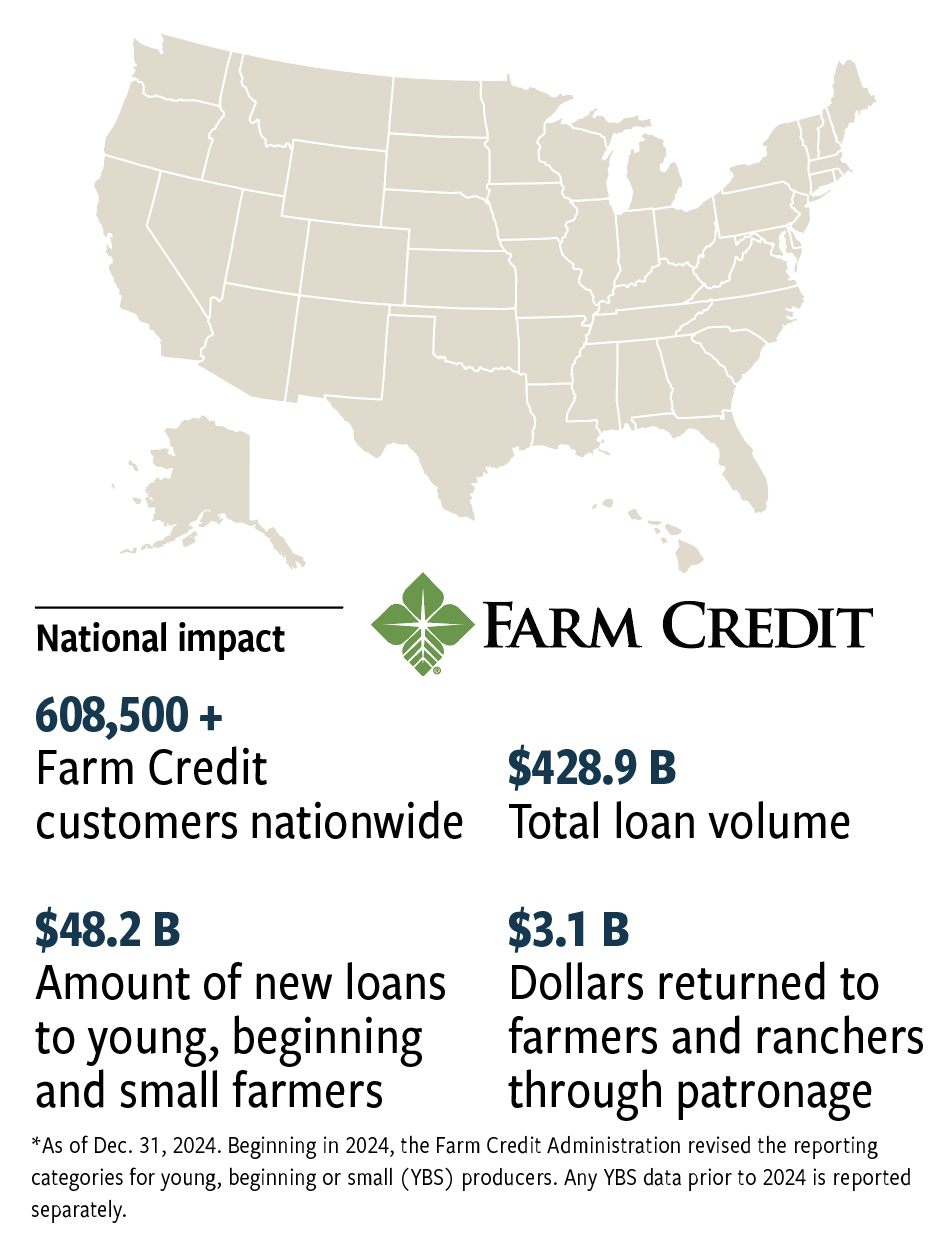
National impact

As a young producer himself, Brumley recommends looking around at successful operations in your area and asking for their advice.
“Don’t be too prideful,” he points out. “Ask your neighbor or another local operator you see has a pretty successful operation.”
Maybe a recommended lender can’t help right this second, but they may have connections to the right partner for the project.
“As ag lenders we may not be the best option for everybody; but if we aren’t the best option, we’re going to find someone who is,” Winter assures. “One thing that we can always pride ourselves on is that we’re going to help our neighbors.”
Editor’s note: Oklahoma AgCredit (NMLS ID:809962) is an Equal Housing Lender, Equal Credit Opportunity Lender and an Equal Opportunity Employer.
Opportunities abound
Clearly defined goals, a business plan and having financials in order are all great places to begin, but keep in mind additional programs that could make a world of difference in your operation.
“Make sure you do your research. Plans are great, but also with those plans and ideas, make sure you do the research as well,” suggests Kyler Brumley, a lender with Oklahoma AgCredit. Research may bring up the opportunity for programs through the Farm Service Agency (FSA) or through organizations like Farm Credit.
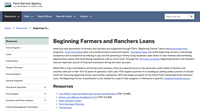
Beginning Farmers and Ranchers Loans
FSA supports the next generation of American farmers and ranchers through its “Beginning Farmer” direct and guaranteed loan programs.
One common barrier for new producers is finding the capital to purchase the ground they need to start their enterprise. FSA Farm Ownership loans can assist with both land and capital, while its Operating loans can relieve some stress in the first few years by helping to pay normal operating or family living expenses, opening doors to new marketing opportunities, assisting with diversifying operations, and more. Additionally, through the Microloan program, beginning farmers and ranchers can access a critical source of financial assistance during their initial startup years.
While FSA has programs and services available to all farmers and ranchers, the agency has a special focus on the unique credit needs of those who are within their first 10 years of business. Each year, FSA targets a portion of its lending allotment by setting aside funds for financing beginning farmers and ranchers.
Contact your local USDA Service Center or visit www.farmers.gov to find your nearest USDA location.
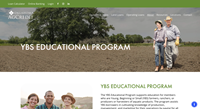
YBS Educational Program
In addition to loan opportunities, Oklahoma AgCredit’s YBS Educational Program supports continuing education for young, beginning or small (YBS) farmers and ranchers. The YBS program assists Oklahoma AgCredit borrowers in expanding their knowledge of agricultural production, management and marketing by covering a portion or — in some cases — all of the expense associated with educational workshops, conferences, conventions or webinars.
This program is only available to members of Oklahoma AgCredit, but the important thing to keep in mind, says Brumley, is that the Farm Credit system serves all the contiguous United States, as well as Puerto Rico and Hawaii. The programs available via each association may be slightly different, but the main objective remains the same: to give young, beginning and small operators the opportunity to get into agriculture.
“It doesn’t matter if you’re in Oklahoma, Texas or North Dakota, the YBS program is there with every association,” Brumley explains. “I would encourage people to reach out to a Farm Credit office and just ask what young, beginning or small programs are available to get you started and get you involved in agriculture.”
For information on potential YBS opportunities in your state, check out Farm Credit’s Young, Beginning and Small Farmers resource page.
Related Content


Current Angus Beef Bulletin
Our November issue focuses on the females of the herd and the records that validate them.