



Feeder-Calf Marketing Guide
Taking Bets
Considering retained ownership? Using genetic tools can increase your odds at winning the premiums.
July 25, 2025
Taking a gamble on a load of cattle brings a rush of unpredictability and the thrill of a possible win. When that load is harvested and the carcass data shows you beat the average for Choice and Prime, the dopamine hit leaves you wanting more.
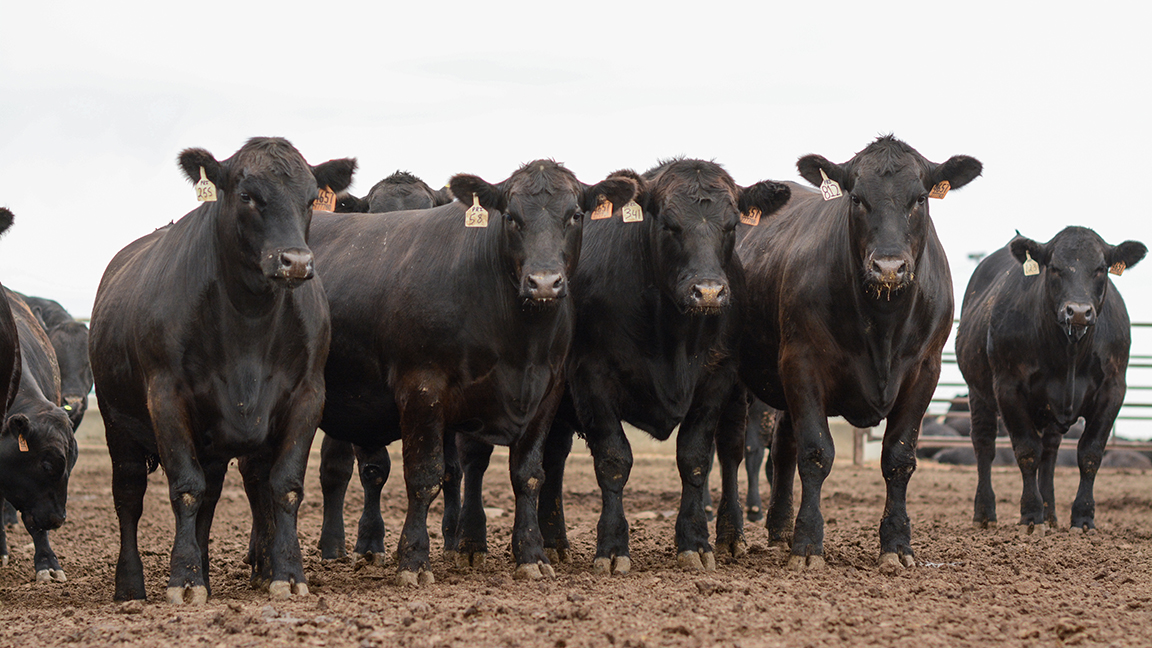

“It’s addicting,” says Charles Mogck, Mogck & Sons Angus, Olivet, S.D. “Anyone who feeds cattle is a gambler.”
Whether you’re a farmer-feeder finishing calves at home or working with a seasoned feedyard, there are multiple ways to go about feeding cattle. Whether finishing cattle runs in the family, or you’re just looking for another way to diversify your business, there are more tools available to raise and manage cattle with precision.
Ask the right questions
Finding a feedyard partner you trust starts with asking the right questions, Mogck says. It’s a relationship, so “you have to trust them.”
When working with a new feedyard, to start Mogck asks about historical death loss, rate of gain, feed conversion and cost of gain — all things that affect his earning potential.
The next question he asks is when they have pens available, because the good yards are always full, he says.
The biggest hurdle is financing. Owning cattle longer means you’re pushing back your typical payday. Some feedyards will offer risk protection plans, while others require working closely with your banker.
If you’re asking to double your line of credit to purchase feeder calves, you’ll want to be in synch with your banker, Mogck says. Otherwise, all bets are off.
Capital is your limiting factor, says John Schroeder, Darr Feedlot, Cozad, Neb. With record cattle prices today, it may be a good time to put extra capital to work.
He has standards for his customers, too.
“I want to partner with people who are investing in their cattle to finish and stay healthy going through the feeding process and have quality for the customer’s plate,” he says.
Once your cattle feeding team is assembled, there’s a lot you can learn about your cattle.
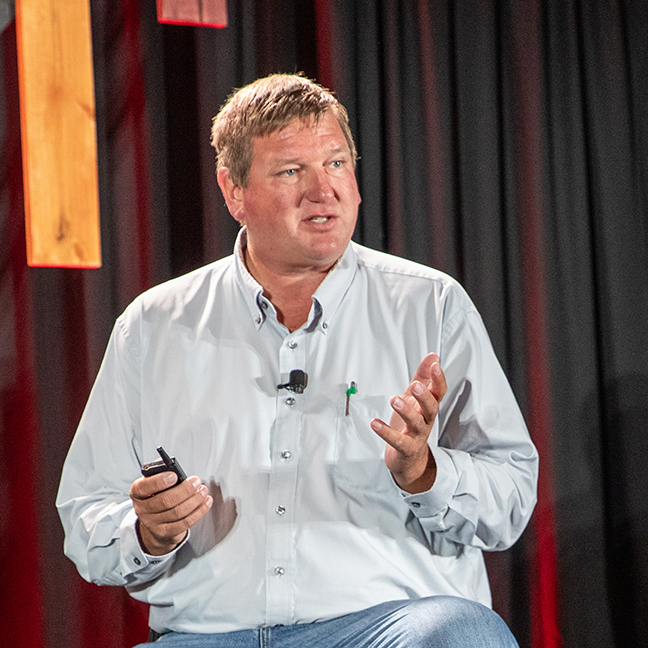
John Schroeder

Ace in the hole
The end game is receiving carcass data back from the packer. That’s when you learn which calves were the highest performers or had the most marbling, information to help make selection decisions at the ranch. But what if you could get genetic data sooner and proactively manage a calf’s potential?
Mogck paired up with Darr Feedlot in 2024 to feed 200 head. Eager to learn and improve, they deployed genomics testing on the lot. Even within this group of longtime Mogck customer calves, there were surprising genetic differences in growth and performance, he says.
This additional information gives feeders a hidden edge in managing animals more individually to optimize their genetics.
“All cattle have value,” Mogck says. “If we can sort them on their genomics, how they should perform, and feed them accordingly, there’s going to be more profit potential there.”
They were interested in parentage, carcass weight, marbling, backfat and ribeye area to start, Schroeder says.
Knowing a little more about what’s under the hide reveals which are better animals that should earn bigger premiums. It’s not the good ones you need to worry about.
“The top end is going to take care of themselves,” Mogck says. “But there’s no need to feed the lower end of calves if they don’t have the genetics to grade or reach a certain weight. Genomics helps you figure out how to market those differently.”
Getting more descriptive on a group of calves allows similar calves to be penned together. Managing like-kind is easier and more efficient.
“If they’re carcass cattle, we know what we need to do, how we need to sell them and what type of grid we need to sell them on,” Mogck says.
As cattle continue to be of higher quality, the race to beat the average gets harder. The need for a cheat sheet grows, and that’s what genomics provides. Choice is no longer the end game.
“It’s all about the Primes,” says Mogck, adding it takes three things to hit the highest quality grade: genetics, age and days on feed.
Without superior marbling genetics, it may be possible to make the grade, he says, “but, it’s a heck of a lot easier to get them there with genetics.”
Back at the ranch
The feedyard may do well working with what they have, but changes and progress start at the cow-calf level. To start, Schroeder says he focuses on what he and his customers are trying to accomplish.
With the help of electronic identification (eID) tags paired with genomics, he can provide individual feedback to his customers. Depending on how granular the cow-calf producers are recording information, together they can see performance differences from parentage and pastures to how many calves each bull sired.
“The initial reason we invest in these tests is to push data back to make better genetic and management decisions at the ranch,” Schroeder says. “We’re able to see what matings are working, which ones are not.”
At the feedyard, he’s looking for a certain quality of calf. How they get there is up to them.
“I don’t ask my corn farmers what varieties they’re planting,” he says, “but I do need bushels, and I need a certain quality.”
DNA is most valuable on heifers, Schroeder adds. Many cow-calf producers already use DNA to select replacement heifers. That’s where GeneMax® Advantage™ holds the cards.
The time to try retaining ownership or investing in DNA tests may be now, given record cattle prices may lead to tax implications. Focusing on improving the bottom 10% of underperforming cattle offers the most return on investment, Schroeder says.
Even then, he says, there’s still an art to the business.
“I think it’s important to have the science of the DNA, but still having that art, that stockmanship, in play,” Schroeder says, noting it’s hard to put numbers on observations from good stockmen.
The cattle business is a series of calculated risks, but when you double down and add strategy to your investments, the chances of winning skyrocket.
Editor’s note: Morgan Boecker is producer communications senior manager for Certified Angus Beef.
Topics: Feeder-Calf Marketing Guide , Marketing , Feedyard , Business , Management
Publication: Angus Beef Bulletin
Related Content


Current Angus Beef Bulletin
Our November issue focuses on the females of the herd and the records that validate them.