



Health, Wellness Contribute to Farm Safety
March 2-6 is Ag Safety Awareness Program Week.
March 4, 2026

by University of Missouri Extension
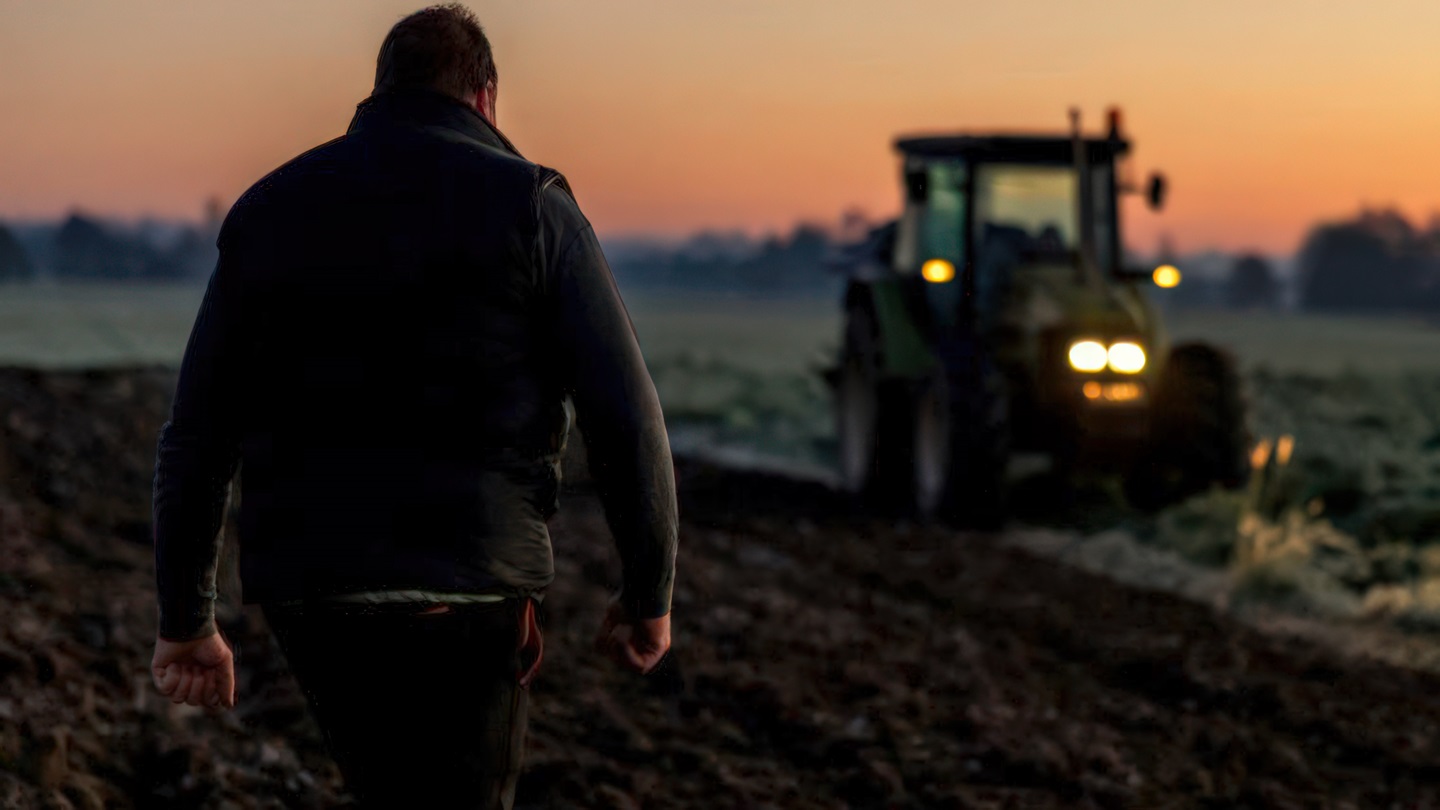
During this year’s Ag Safety Awareness Program (ASAP) Week, March 2-6, University of Missouri (MU) Extension health and safety specialist Karen Funkenbusch joins the American Farm Bureau Federation and other safety professionals in encouraging farmers to make their health and well-being a priority.
Personal wellness directly supports farm safety and long-term farm success, Funkenbusch says.
Observed ahead of the busy spring calving and planting season, ASAP Week raises awareness about health and safety hazards and reminds farmers, ranchers and farmworkers that caring for themselves is as essential as caring for their operations.
This year’s theme, “Live Well, Farm Well,” highlights how everyday habits can reduce farm-related injuries and fatalities. Funkenbusch notes that one habit that is too often neglected is “Rest and Refuel.” Pressures from unpredictable weather, tight finances and long workdays often push farmers to keep going without considering the toll on their mental and physical health. But fatigue increases the risk of mistakes, especially when working with machinery, livestock or chemicals.
Getting eight hours of sleep, eating regular meals and staying hydrated are simple habits that support focus, balance and memory, which are key factors in preventing accidents.
Getting eight hours of sleep, eating regular meals and staying hydrated are simple habits that support focus, balance and memory, which are key factors in preventing accidents. Many accidents result from stress or lack of sleep. Equipment breakdowns, untimely rains and long hours can cause short-term stress that can reduce reaction times and prompt people to take shortcuts that lead to accidents.
Funkenbusch also recommends keeping a snack box with protein-rich foods, nuts and whole grains in trucks or tractors during busy seasons to avoid skipping meals or turning to fast food.
She encourages farmers to continue monitoring chronic health conditions such as diabetes or cardiovascular disease. Maintaining consistent routines, including bedtime schedules, nutritious eating and taking regular breaks, helps boost energy and reduce preventable injuries.
“A well-rested farmer is a safer farmer,” she says.
Self-care is not limited to busy seasons. Funkenbusch emphasizes that year-round planning, regular check-ins and sharing resources strengthen agricultural and rural communities. MU Extension provides a variety of mental health and wellness resources to support producers and their families.
Mental health and wellness resources:
- National Suicide & Crisis Lifeline (988). Free, confidential help is available 24/7. Call or text 988 or visit the 988 Lifeline website.
- Free rural telehealth counseling. Confidential counseling is available from professionals who understand agriculture. Fill out the online form or request services at adpsc@missouri.edu or 573-882-4677.
- Show-Me Strong Farm Families. Resources addressing mental health crises in rural areas.
- QPR Training. A one-hour program in which MU Extension-certified instructors teach participants to recognize warning signs of suicide and intervene using the Question–Persuade–Refer method. For more information about QPR, call 1-800-995-8503.
- Mental Health First Aid. Evidence-based training to help individuals support someone with a mental health or substance use challenge.
- Missouri AgrAbility. A partnership that helps farmers with disabilities remain independent through education and on-the-farm assistance.
More information:
- Farm Bureau Safety and Health Network
- ASAP on Facebook
- U.S. Agricultural Safety and Health Centers on YouTube
Editor’s note: [Lead photo courtesy MU Extension.]
Angus Beef Bulletin EXTRA, Vol. 18, No. 3-A
Topics: Events , Human Health , Industry News , Management , News
Publication: Angus Beef Bulletin
Related Content


Current Angus Beef Bulletin
Our September issue focuses on the females of the herd and the records that validate them.