


Feeder-Calf Marketing Guide
It’s Not What We Know, But Who We Know
Relationships are all-important to farmer-feeders.
July 31, 2025
by Lauren Brinegar
A handshake is a simple gesture, but one that comes with a lot of weight. It’s a symbol of trust, responsibility and promise. But it doesn’t happen overnight. It takes time to foster conversations and build a rapport.
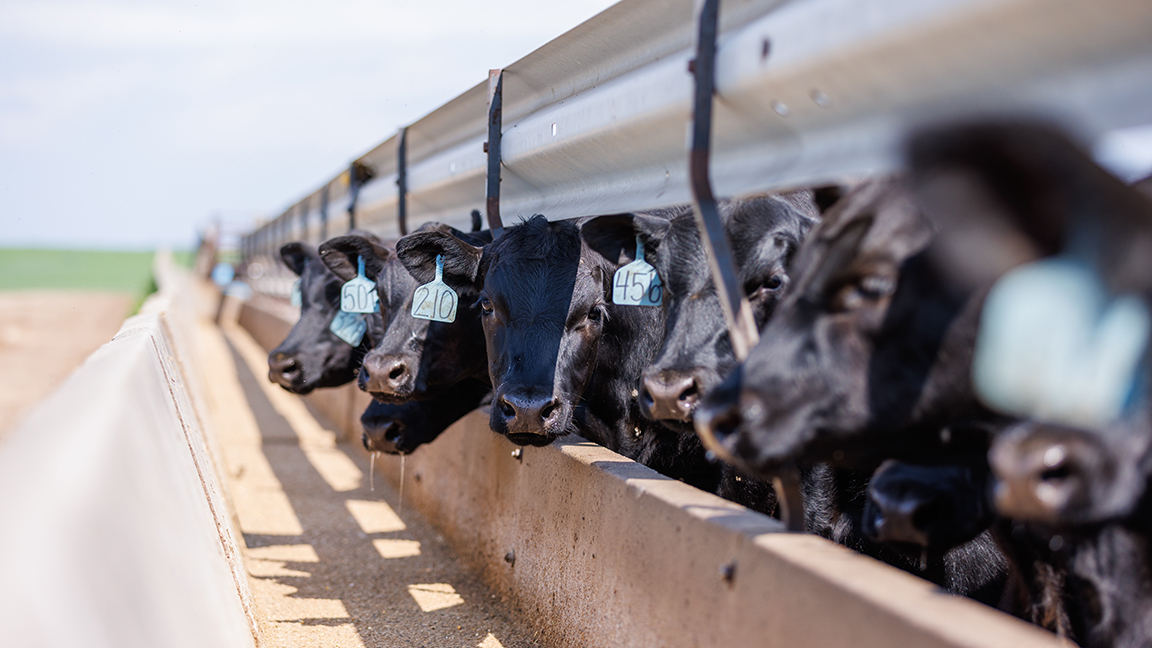
Precision livestock management has made it easier for Karl Fox to be able to track bunk management, as well as feed contemporary groups. Not only does this allow him to start sorting similar cattle, but this allows better health management.

Nestled across the prairie are farmer-feeders who depend on relationships. It’s the core of their business models. Whether they spend the day sourcing cattle from all across the countryside or make continuous calls to schedule pens to go to the packer, their livelihoods are dependent upon relationships.
For two producers in Iowa, fostering relationships comes down to some tips and tricks they have learned in their journeys of feeding cattle.
Know your genetics
Karl Fox, owner and operator of Fox Feedyards, Osage, Iowa, has spent the majority of his career focused on sourcing cattle with the right genetics. It all started when he dug in deep, asking questions to the producers he was buying cattle from about the cow families and bulls.
“There is so much value in knowing where your cattle are coming from, but more importantly, knowing what the genetics are and having an influence on them,” Fox states.
In order to gain an influence on the genetics, he developed a relationship with Brian McCulloh of Woodhill Angus in Wisconsin to source bulls that he could lease to customers, with the goal that he has first buyback rights on the calf crop.
“If the calves from the leased bulls did well for him, then they are worth more money to me,” Fox says. “If I made money, then I want to share. But when I really need a partner is when I lose money and he’s got to be able to help me out when I buy back.”
Bull management has led to a lot of successful and timely growth. By utilizing performance beef programs, Fox can monitor the intake and make decisions that keep them in his ideal weight window so they can be maintained, but ready to go to work when a trailer arrives.
“This is a tool that complements the rest of the operation,” Fox says. “Not only can we add more data points, we can also determine what genetics work well in certain herd scenarios across the countryside.”
While the majority of the pens are filled with black-hided cattle from Montana, Alabama and Missouri each year, the importance of continuing to develop relationships through leasing bulls stays relevant.
Packer parallels
An end goal we have to keep in mind is that these cattle won’t stay on the farm forever; they are here to serve a higher purpose. Ty Lauritsen, manager of Lauritsen Cattle Co., Exira, Iowa, knows the importance of relationships between the farmer-feeder and packers.
Lauritsen works alongside his family to manage a 4,000-head yard that serves 25-30 customers every year. While he is responsible for making sure the cattle are sold to the packer, he is also aware that satisfying his customer is critical.
“A lot of communication needs to happen between all parties,” Lauritsen says. “At times, I’ll handle the negotiating, while [at] other times, my clients will.”
Lauritsen feeds a wide variety of cattle, working with order buyers to put together loads to fill his yard, but he is on the same page with the buyer about what kind of cattle will fit the bill for the packer.
“A good buyer is worth a lot,” Lauritsen states. “They know the cattle that a particular customer wants and what we’ll feed. You can’t develop a good relationship if you’re changing things up all the time.”
On that same note, he emphasizes the importance of the relationship with the procurement teams from the packers. Clear communication about what’s happening in the feedyard is key.
“Procurement [cattle buyers] from the plants are here about once or twice a week,” Lauritsen says. “It’s up to them to be the judge, but that’s their profession. They bid accordingly.”
Data is power
Both Fox and Lauritsen share that data is one of the biggest components of their enterprises. Not only does it allow them to make management decisions on a day-by-day, or even hour-by-hour, basis, but it allows them to provide feedback to their customers.
“We don’t want any surprises for our clients,” Lauritsen states. “If we’re having a problem, we want the customer to know about it, as well as the solution we’re going to provide. Generating data also allows us to start determining when a pen has a targeted completion date.”
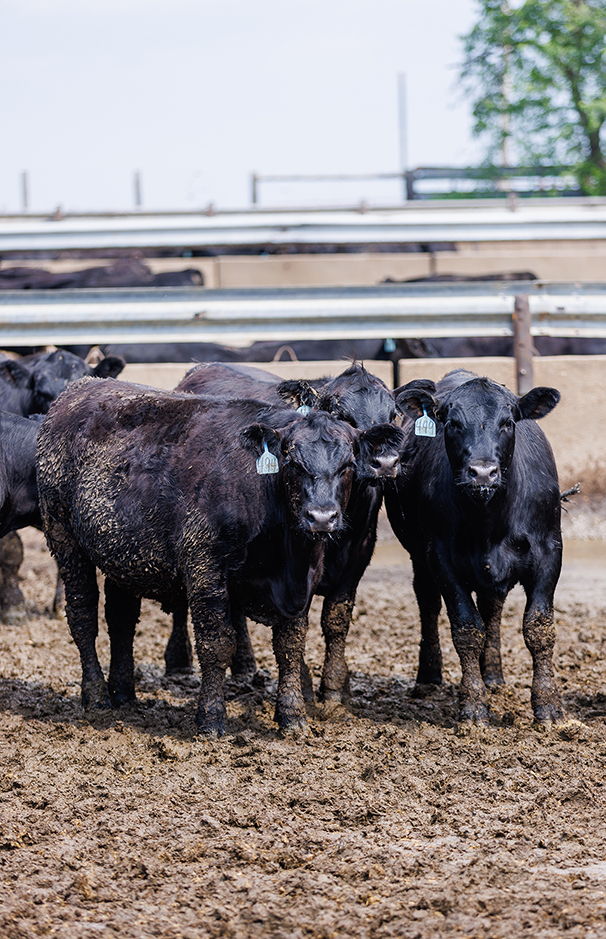

Fox shares similar sentiments. Precision livestock management has made it easier for him to be able to track bunk management, as well as feed contemporary groups. Not only does this allow him to start sorting similar cattle, but this allows better health management.
“The smaller animals don’t have to compete with those who will beat them to the bunk, and this also allows them to maximize their full growth potential and not be held back,” Fox shares.
While it is important to share highlights along the way, where the rubber really meets the road is when the cattle are harvested.
“Retained ownership clients have differing preferences — from knowing the individual carcass data to a bigger percentage breakdown of Choice versus Prime,” says Lauritsen. “But we have that as a tool, as a smaller operation, to be able to track the cattle.”
Fox markets the majority of his cattle with U.S. Premium Beef (USPB) on the grid.
“Grids will reflect the desire of what the facility wants,” Fox says. “I’m measuring shrink to the harvest facilities and sorting based on how I think the cattle will fit together.”
From there, Fox is gathering harvest data to share back with his clients. A valuable resource for them, it also provides a reflection opportunity on the genetics and areas of growth.
“You can’t not trust your fellow producer,” Fox says. “If we treat those around us as valued friends and partners, we’re going to have a good business relationship.”
Editor’s note: Lauren Brinegar is a freelance writer and cattlewoman from Liscomb, Iowa.
Topics: Business , Feeder-Calf Marketing Guide , Feedyard , Management , Marketing
Publication: Angus Beef Bulletin
Related Content


Current Angus Beef Bulletin
Our September issue focuses on the females of the herd and the records that validate them.