



Help Cattle Bounce Back Faster After Stress
Stress and disease can suppress feed intake, making proactive immune support more important.
June 18, 2026
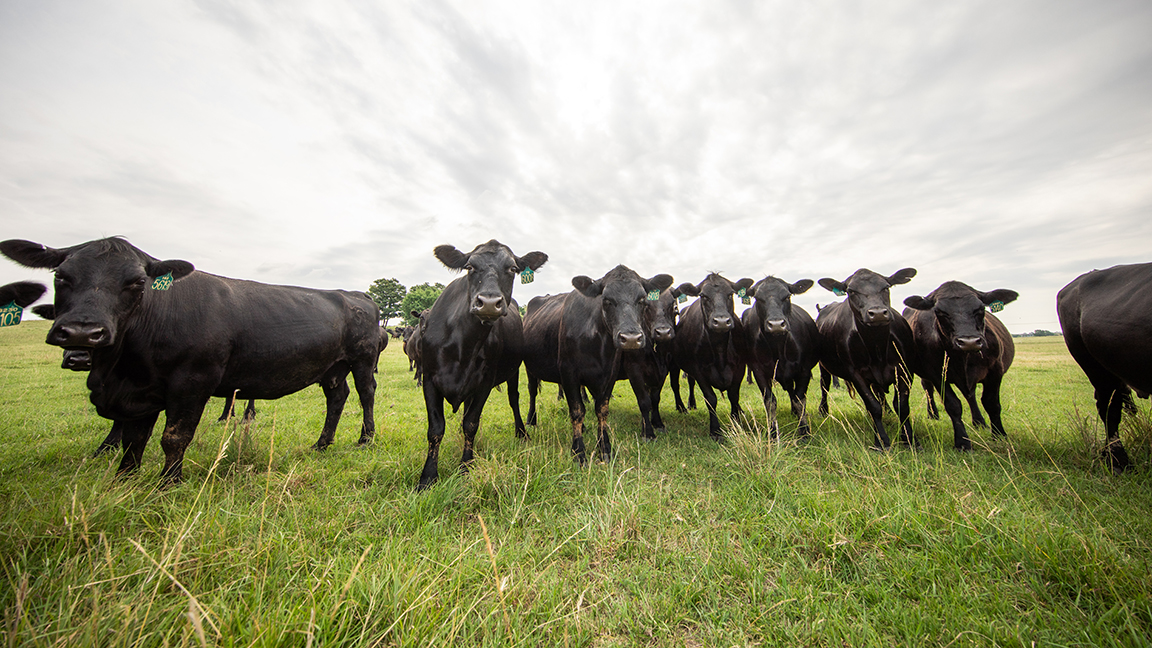
Cattle experience a variety of stressors, including weaning, transportation and commingling, all of which can challenge immune function. [Photos courtesy Zinpro.]

by Zinpro
From weaning and transportation to commingling and even changes in weather, cattle move through a series of stressful events that can challenge their immune functions. These events may be routine on paper, but inside the animals, the biological responses can be significant.
“Stress triggers a hormone called cortisol,” says Chris Reinhardt, technical services nutritionist for Zinpro. “The job of cortisol is to ensure cattle survive the stress event, and survival is often juxtaposed against the animal’s ability to thrive.”
That distinction matters. During acute stress, cattle often reduce feed intake or stop eating altogether. Research has shown that only 65% of healthy calves and 50% of sick calves consume feed within 48 hours of arrival at the feedyard.1
In these situations, nutrients that would normally support growth and immune function are redirected toward short-term survival. As Reinhardt puts it, “If an animal’s not eating, they’re not thriving.”
So, what should producers do?
A good starting point is recognizing that immune support is not separate from overall management. It’s built through timely observation, sound trace mineral nutrition and fast action when cattle begin to show signs of challenge.
“Nutrients such as zinc (Zn), copper (Cu) and manganese (Mn) are critical to normal immune cell function and the ability of cattle to respond to health challenges,” says Reinhardt. “But one of the biggest practical hurdles is that sick or highly stressed cattle are usually the least likely to consume enough feed to meet those needs.”
That is why the highest-risk moments often require the most attention. Weaning, transportation and commingling can all suppress feed intake and immune function, leaving cattle more vulnerable to health challenges such as bovine respiratory disease (BRD).
Trace minerals play a key role in immune response
Practically speaking, producers can think about immune support in two key situations. One is during major stress periods, especially for high-risk calves, and the other is during the early treatment window when cattle are pulled for respiratory disease.
“When a calf is pulled for a respiratory challenge, producers should not only think about targeting the disease itself, but also about providing the immune system what it needs to help the animal mount its own response,” says Reinhardt.
In those moments, trace mineral support in a drench or paste can be given to cattle alongside antimicrobial therapy to help deliver the key nutrients they need.
“Ensure the trace mineral source is able to reach the critical tissues and cells within the immune system effectively — at a greater rate and a greater amount — to provide cattle with the tools they need to defend themselves against both [viral] and bacterial invasions,” notes Reinhardt.
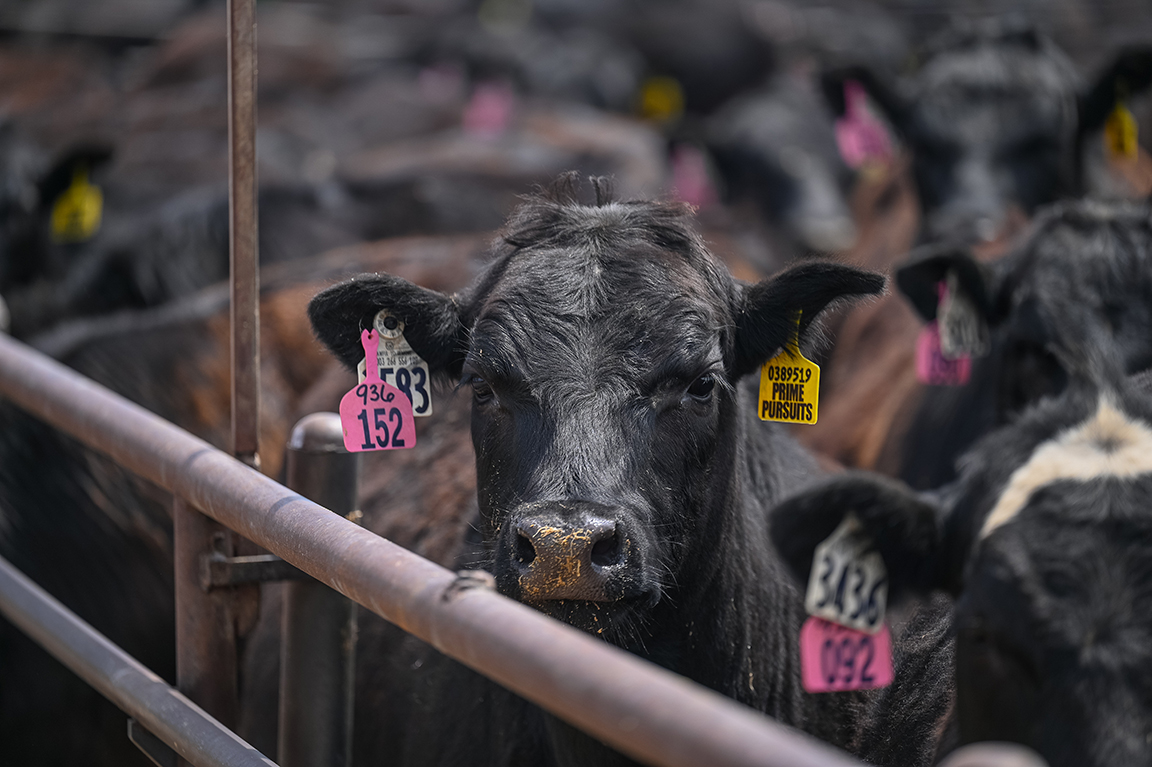
Early identification, timely treatment and proper trace mineral support can help cattle better respond to stress and disease challenges.

“Nutrients such as zinc, copper and manganese are critical to normal immune cell function and the ability of cattle to respond to health challenges.”— Chris Reinhardt

Chris Reinhardt is a technical services nutritionist for Zinpro.

Spotting sick cattle sooner makes a difference
Early identification of health challenges is one of the most practical management tools available to producers for keeping cattle on track.
“We’ve learned over decades now, the earlier an animal gets treated for respiratory disease, the better the case outcome,” Reinhardt says. “If we’re late getting that animal pulled and treated, the case outcome is almost always less certain.”
Training pen riders to spot changes in behavior, attitude and appetite can help operations respond sooner, though Reinhardt acknowledged that labor constraints can make consistent daily observation difficult.
Stress and disease cannot be eliminated entirely from cattle production, but they can be managed more effectively. Proactively supporting the immune system can be the difference between cattle simply surviving challenges and continuing to thrive in spite of them.
Animal health and performance technologies such as Zinpro® ProFusion® are designed to help support the immune system during high-risk moments. For more insights, visit zinpro.com/beef.
Editor’s note: This article provided by Zinpro.
Angus Beef Bulletin EXTRA, Vol. 18, No. 6-B
References:
1Hutcheson, D., Cole, A. Management of Transit-Stress Syndrome in Cattle: Nutritional and Environmental Effects, Journal of Animal Science, Volume 62, Issue 2, February 1986, Pages 555–560, https://doi.org/10.2527/jas1986.622555x.
Topics: Health , Management , Nutrition
Publication: Angus Beef Bulletin
Related Content


Current Angus Beef Bulletin
Our September issue focuses on the females of the herd and the records that validate them.