


America’s Appetite for Beef
Should beef producers worry that demand will wane as prices increase?
June 3, 2026

by Alfredo DiCostanzo, University of Nebraska Extension
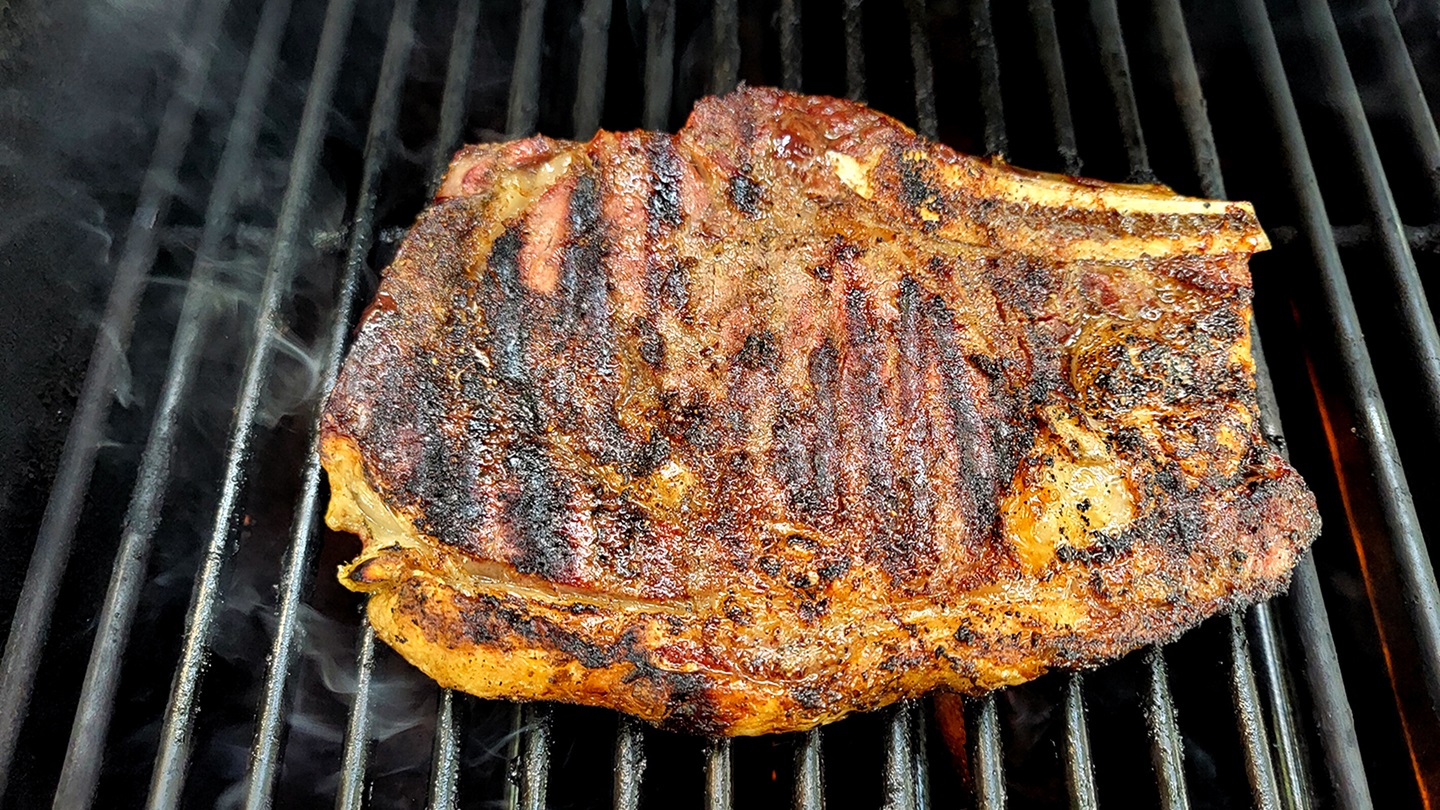
American consumers’ appetite for beef deserves attention: Prices for beef have increased rapidly and reached highs not seen before. As cattle markets reach new highs, most reports addressing cattle prices and market trends include a comment warning of an imminent slowing of consumer desire to pay high prices for beef cattle. Yet, we have all been surprised at the continued appetite for beef demonstrated by the American consumer.
The U.S. Bureau of Labor Statistics (BLS) maintains survey data on retail food prices and consumer expenditures in America. A review of these data helps demonstrate new trends by American consumers.
Between 2016 and 2025, the average price of all uncooked ground beef, roasts and steaks increased from 50% to 54%. (If anyone suspects that retail beef is resistant to negative trends in beef cattle prices, it is worthwhile noting that retail beef prices decreased up to 3% during 2017 to 2019).
Although greater price pressure is expected due to tightening supplies in 2026, the trend for the American consumer to desire and pay for beef is clear. This provides sufficient reason to go into the summer grilling season with a positive outlook.
The most recent consumer expenditure survey in 2024 (surveying more than 100 million households) by the BLS demonstrated that the average American household (2.4 people) spent $408 a year on beef. This is an increase of 67% in beef expenditures compared to 2016, when the average household spent $244 a year for a household of 2.5 people. Incidentally, in 2024, ground beef, roasts and steaks sold at prices 34%, 37% and 42% greater, respectively, than in 2016.
A few considerations:
- In 2024, the average American household spent 67% ($164) more money on beef than in 2016.
- Similarly, the average American household spent 54% and 55% more money on pork and poultry, respectively, than in 2016.
- During the same period, expenditures by the average American household for cheese, yogurt and ice cream increased 81%.
One might ask why the increase in beef expenditures is 67% when the retail beef price increase should only account for 56% of that increase?
The reader should be pleased to know that the answer lies in greater beef consumption. The composite price made up from average retail prices of roasts, steaks and ground beef was $5.74 per pound (lb.) and $7.97 per lb., respectively, in 2016 and 2024. Dividing the beef expenditures from each year by this composite results in average household consumption by Americans of 42 lb. in 2016 and 51 lb. in 2024.
This represents a 1-lb. increase in household consumption of beef every year since 2016. This is despite increasing beef prices particularly in the most recent years.
Although greater price pressure is expected due to tightening supplies in 2026, the trend for the American consumer to desire and pay for beef is clear. This provides sufficient reason to go into the summer grilling season with a positive outlook.
Also, this provides impetus for this author to refrain from commenting on whether future trends in cattle prices will slow down beef consumption.
Editor’s note: Adapted from an article presented in the University of Nebraska’s June 1 BeefWatch newsletter. Alfredo DiCostanzo is a University of Nebraska Extension educator. [Lead photo by Troy Walz.]
Angus Beef Bulletin EXTRA, Vol. 18, No. 6-A
Topics: Consumer , Industry News , Marketing , News
Publication: Angus Beef Bulletin
Related Content



Current Angus Beef Bulletin
Our November issue focuses on the females of the herd and the records that validate them.