



From the Field
Notes from your regional managers related to current moisture levels and tips to carry cattle through the summer heat.
June 17, 2026
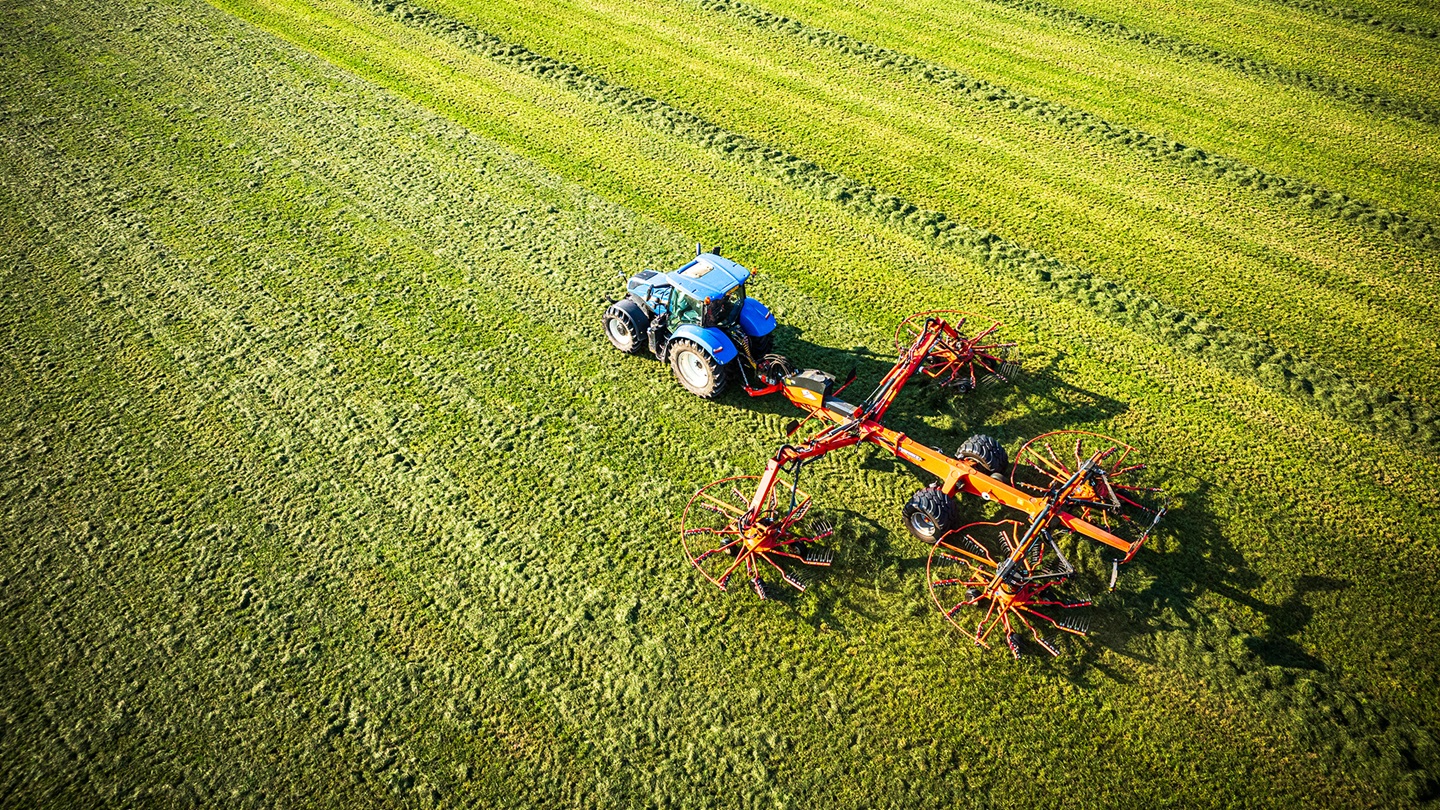

 June is on its way out, but the heat seems to be settling in. When temperatures start to soar, and then stay there, many producers begin questioning how to keep cattle comfortable and healthy during a sometimes brutal season.
In this edition of “From the Field,” regional managers (RMs) Will Harsh, Radale Tiner and Reese Tuckwiller share their thoughts on how to keep cattle comfortable when Mother Nature turns up the heat, as well as the status of hay production in their regions.
Hay season status
With many areas experiencing differing degrees of drought, as well as extreme fire conditions, the fate of this year’s hay crop may look a bit different region to region.
Some states have experienced a busier-than-average fire season in 2026. As this edition is being written, producers in parts of Nebraska are still battling drought conditions and continued fire danger. What effect will those conditions have on baled forages for the year?
“I would say, not to be too bleak, but the Corn Belt has been really dry … There’s a huge part of Nebraska that’s in a Level D3 [drought] and part of the Panhandle is at a Level D4,” says Harsh, RM for Region 7, noting that rainfall shut off in the fall of 2025 with hardly any winter moisture. “That has impacted hay production quite a bit.”
In Region 1, Tuckwiller notes that his diverse region means producers from one end to the other might be experiencing different moisture levels, yet hay yields are still down on average.
“Reports that I have heard across the whole region indicate our first cutting is about 55%-65% of what it was in 2025. That’s a huge decrease,” Tuckwiller notes, adding that the drought, as well as extreme temperature fluctuations at pivotal growth points, are to blame. “We were really warm through the end of March and April. Then the beginning of May, we plummeted in temperature and went through about two weeks of straight frost. It stunted everything. A lot of people took their first cutting as soon as they could, fertilized and hoped the second cutting would be more productive.”
For producers in parts of Texas and New Mexico at least, the outlook seems brighter now that rain has finally joined the party.
“The majority of Texas — especially in the central and eastern parts of the state — seems to be really good for the most part. We’ve seen a lot of rain moving through,” Tiner shares. “There are some spots out in West Texas that are still dry, but there are also spots that are normally dry that are in a really good spot. I think for the majority of Texas, it’s going to be a good year.”
Cattle comfort
With temperatures rising, producers often seek additional measures to ensure cattle are staying comfortable while out on grass. The tricks may change per region, but the fundamentals often stay the same.
“In our part of the world, we’re always in some percentage above 80 for humidity. There’s a fair segment of people who have anted up, dollar wise, for either heat stress tubs or some kind of heat mitigation in their mineral,” Tuckwiller said, noting that while there may be pockets of producers slicking yearlings off to help with the heat, that number would be minute comparatively. “I would say the big takeaway for managing heat stress would be heat stress tubs or mineral products.”
Shade and clean water are two additional fundamentals that are important regardless of region, but the East Coast has to balance the cost-benefit of allowing cattle to gather around brush and shade trees when it comes to the pest known as the Asian longhorned tick.
“Many of the studies indicate you want your cattle 10 feet away from a tree line because those shaded areas can be a hotbed for ticks,” Tuckwiller adds. “Some producers are taking access to some shade away but using portable shades or rotating pastures more often to cut down on tick exposure.”
While all those thoughts matter when it comes to managing cattle during heat, one that works across all regions is simple: get your work done before the heat of the day settles over your herd.
“The big thing is getting your work done early. If you’re doing any cow work that day, start at 6:00 or 6:30 in the morning. Have plenty of shade,” stresses Tiner, adding that insect control is one cattle comfort measure that cannot be overlooked. “Of course, fly control would probably be my biggest thing as far as comfort. No matter what the temperature is, if there’s a thousand flies on them, they’re not very comfortable.”
Editor’s note: “From the Field” is a regular Angus Beef Bulletin EXTRA column featuring advice, industry news and Angus updates from regional managers of the American Angus Association. For information on how to contact your regional manager, click here. [Lead photo by Sjo from Getty Images.]
Angus Beef Bulletin EXTRA, Vol. 18, No. 6-B
Topics: Health , Management
Publication: Angus Beef Bulletin
Related Content


Current Angus Beef Bulletin
Our November issue focuses on the females of the herd and the records that validate them.