




Timing Bermuda Grass Turnout for Maximum Summer Production
Oklahoma State Extension experts share thoughts on getting the most out of your Bermuda grass pastures.
May 5, 2026
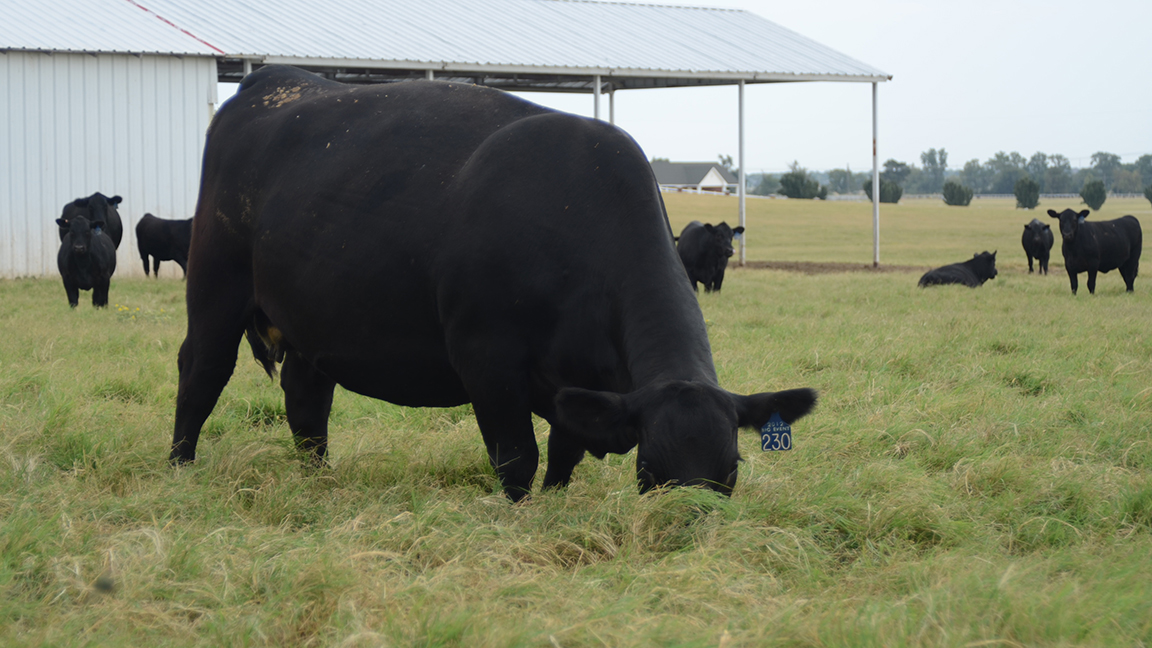

by Mason Henson and Mark Johnson, Oklahoma State University
Much of Oklahoma’s Bermuda grass finished the summer and fall of 2025 with some degree of drought stress. Input costs, especially fertilizer, have spiked in price over the past several weeks. Now, in the season when soil temperature and photoperiod are priming warm-season grasses to grow, it is important to assess pastures and manage for long-term health and productivity. Over the next three weeks, we will address Bermuda grass pasture management, as well as the use of warm-season annuals and legumes to improve range health, beef production and profit potential.
Spring rainfall and increasing temperatures result in rapid green-up of Bermuda grass, creating the appearance of readiness for grazing. However, initiating grazing too early in the growth cycle can have negative consequences for pasture productivity throughout the remainder of the season. Proper timing of initial grazing is critical to ensure plant health and maximize forage yield.
During early spring growth, Bermuda grass relies heavily on energy reserves stored in roots and rhizomes. The initial development of leaf tissue is supported by these reserves rather than current photosynthetic activity. Before the plant can sustain active growth, it must rebuild root reserves and establish a functional photosynthetic system. This process requires adequate leaf area and time. Grazing during this early stage removes leaf tissue that is essential for energy production, limiting the plant’s ability to replenish reserves. As a result, root development may be restricted, and overall plant vigor can be reduced. Although the pasture may continue to appear green, the long-term effects often include decreased forage production; slower recovery following grazing; and reduced tolerance to environmental stress, particularly drought.
To minimize these risks, grazing should be delayed until Bermuda grass has reached an appropriate height, generally between 6 and 8 inches, and exhibits consistent, active growth. This indicates that the plant has transitioned from reliance on stored reserves to sustained growth supported by photosynthesis. Monitoring growth patterns rather than relying solely on visual greenness can improve grazing decisions.
Delaying turnout may require temporary adjustments in management, including continued use of stored forages or alternative grazing areas. Protecting Bermuda grass during this early stage helps ensure stronger growth, better yields, and improved resilience if conditions become dry later in the summer. With favorable moisture conditions, Bermuda grass has the potential to produce substantial forage yields. Grazing initiated at the appropriate time is a key factor in realizing that potential and maintaining pasture productivity throughout the summer.
Editor’s note: Mark Johnson is a beef cattle breeding specialist, and Mason Henson is a sustainable livestock production specialist with Oklahoma State University Extension. This story was originally printed in Cow-Calf Corner, a newsletter for cow-calf producers in Oklahoma written and researched by specialists from the Oklahoma Cooperative Extension Service. [Lead photo by Shauna Hermel.]
References:
Oklahoma State University Extension. (n.d.). Bermudagrass pasture management. Stillwater, Okla.: Oklahoma State University.
Hay & Forage Grower. (2017). Give warm-season perennials a fighting chance. Retrieved from https://hayandforage.com/article-5670-Give-warm-season-perennials-a-fighting-chance.html
Pasture Recovery Following Drought. Oklahoma Cooperative Extension Fact Sheet PSS-2592
Angus Beef Bulletin EXTRA, Vol. 18, No. 5-A
Related Content


Current Angus Beef Bulletin
Our September issue focuses on the females of the herd and the records that validate them.