




Consumers Want Beef, but They’re Asking More Questions
Beef demand remains strong, but consumers have some clear expectations.
March 4, 2026
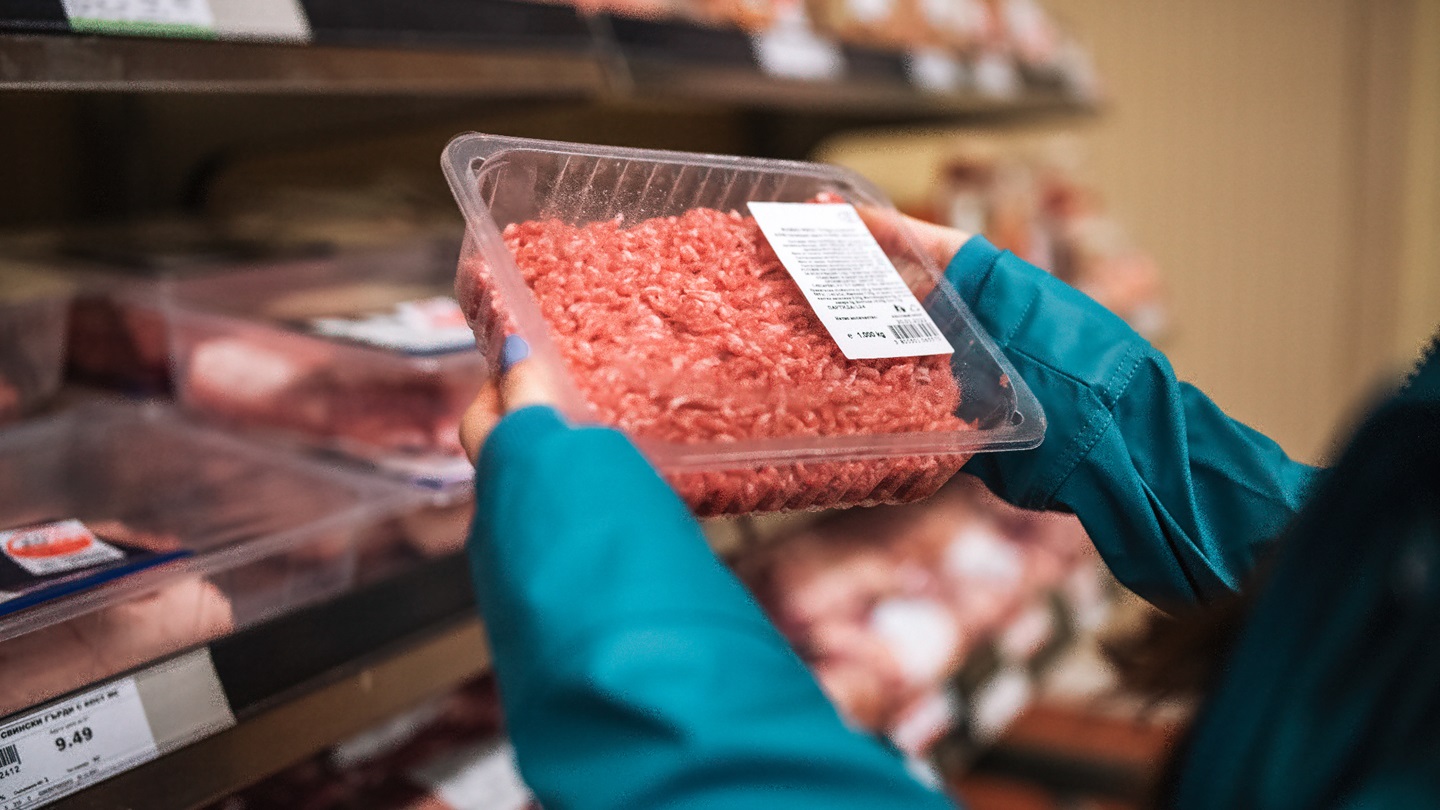
Beef producers can take heart: Americans still love beef and are willing to pay for it. But, the modern consumer is far from a single, predictable buyer.
“Today’s marketplace includes more distinct generations than ever before,” says Mandy Carr Johnson, senior executive director of scientific affairs for the National Cattlemen’s Beef Association (NCBA).
Generation Alpha is just entering its teen years. Gen Z runs up to about age 30. Millennials typically span 30 to about 45 years, and Gen X is from about 45 to 60 years. Baby boomers and the silent generation are still buying groceries, she says.
The generation with the greatest current buying power is Gen X, Johnson notes, but millennials and Gen Z make up a massive population that will soon hit their peak earning — and beef-buying — years. Understanding what influences each group’s food decisions is important for producers and everyone along the supply chain.
A changing consumer landscape
NCBA, on behalf of the Beef Checkoff, surveys thousands of shoppers every year to track those decisions. Beef remains a strong second to chicken as the nation’s top protein, but consumers now mix and match proteins throughout the week. Roughly 71% say they eat beef at least once a week.
Taste continues to be beef’s ace in the hole. In consumer testing, beef wins by 25 points as the best-tasting protein. Eating experience — tenderness, juiciness and flavor — ranks as the top purchase driver, followed by convenience, price, how the animal was raised and nutrition.
“Choice is the word,” Johnson says. “People want variety, and they’re spending more of their food budget on protein than ever before.”
Another shift: where people buy. While most beef still moves through traditional grocery stores, younger shoppers are far more comfortable ordering online for home delivery or curbside pickup. Beef must be easy to find and buy on a smartphone app, as well as in the traditional retail meatcase.
Drivers of beef purchases
Taste continues to be beef’s ace in the hole. In consumer testing, beef wins by 25 points as the best-tasting protein. Eating experience — tenderness, juiciness and flavor — ranks as the top purchase driver, followed by convenience, price, how the animal was raised and nutrition.

“For those who are not sure how cattle are raised for food, they want to hear from someone directly involved — farmers, ranchers, veterinarians,” says Mandy Carr Johnson, senior executive director of scientific affairs for the National Cattlemen’s Beef Association. [Photo courtesy BIF.]

The industry has come a long way since the early 1990s, when one in four steaks failed tenderness standards. Today, 90% of consumers give beef high marks for eating satisfaction whether at home or in restaurants.
Price, however, is a growing concern. Retail beef values are strong, with ground beef and steaks leading sales, but willingness to pay is beginning to lag behind actual prices. Johnson warns that some shoppers may “trade down” within the beef case — choosing ground beef over steaks, for example — if budgets tighten.
“We don’t want them to trade out of beef altogether,” she says.
Competing proteins and price pressures
Chicken maintains an edge on affordability and the “healthy” image it gained decades ago. Consumers watching their budgets also buy pork and fish, and about one-quarter will sample plant-based options in a typical week — usually in addition to animal protein, not instead of it.
That competition means beef must keep proving its value. Promotions that highlight versatility — think economical roasts, bulk ground beef or creative meal ideas — help families stretch their dollars without leaving the beef category.
Nutrition and health trends favor protein
The good news: America’s protein craze plays directly into beef’s strengths. High-protein and low-carb diets remain popular, and doctors increasingly recommend protein, especially for patients using new GLP-1 weight-loss medications. Surveys show consumers recognize beef as a top-quality protein, even if chicken still scores slightly higher on “healthy” perceptions.
Education is key, Johnson says. Lean beef cuts and modern trimming practices mean today’s beef is far leaner than it was in the 1970s, but that message takes time to sink in.
Trust and transparency win the day
Beyond taste and nutrition, consumers want to know how cattle are raised. Yet only about a quarter say they’re truly familiar with beef production. Concerns center on animal welfare and environmental sustainability, but most people remain neutral and are open to information rather than hostile.
“For those who are not sure how cattle are raised for food, they want to hear from someone directly involved — farmers, ranchers, veterinarians,” Johnson emphasizes.
Programs like Beef Quality Assurance (BQA) help bridge the gap. Simply showing shoppers that producers voluntarily follow BQA guidelines measurably improves their confidence in beef safety and welfare.
Authenticity matters more than marketing polish. Whether through social media, local farm tours or one-on-one conversations, producers who answer questions honestly have the biggest influence.
“Just showing that you care and explaining what you do every day goes a long way,” Johnson says.
Meeting consumers where they shop — online or in person — and being ready to share your story keeps beef at the center of the plate for every generation.
Takeaways
- Beef demand remains strong, but buyers are more diverse and selective than ever — spanning multiple generations with different expectations for taste, convenience and values.
- Taste and eating quality drive purchases, with beef maintaining a strong lead in flavor satisfaction, though price sensitivity may cause some consumers to “trade down” within the beef case.
- Shopping habits are changing in that younger generations increasingly prefer online grocery options. This means beef must be easy to find and buy digitally, as well as in-store.
- Health and nutrition trends favor protein, and beef’s high-quality, nutrient-rich, simple ingredient package along with modern trimming standards, provides a nutritious and healthy option.
- Trust and transparency are crucial, as consumers want to know how cattle are raised. Programs like BQA and authentic storytelling from producers build confidence and keep beef relevant for future generations.
Editor’s note: This article is From the Beef Improvement Federation (BIF) and is based on Mandy Carr Johnson’s presentation on “Today’s beef consumer: who are they, what do they say and what do they want?” at the 2025 BIF Research Symposium hosted in Amarillo, Texas, in June 2025. [Lead photo by ArtistGNDphotography from Getty Images.]
Angus Beef Bulletin EXTRA, Vol. 18, No. 3-A
Topics: Consumer , Events , Human Health , Industry News , Management , News , Policy
Publication: Angus Beef Bulletin
Related Content



Current Angus Beef Bulletin
Our September issue focuses on the females of the herd and the records that validate them.