



How to Protect Against NWS
New World screwworm: What to know and how to protect your herd from this deadly pest.
December 4, 2025

by Neogen
A flesh-eating pest infecting livestock, pets and wildlife, known as New World screwworm (NWS), is resurging across Central America and Mexico. The pest was eradicated from the United States in 19661, but some additional cases did occur in U.S. cattle over the next 16 years. Since 2023, this pest has been making its way back north and is now present in central Mexico.
What is NWS?
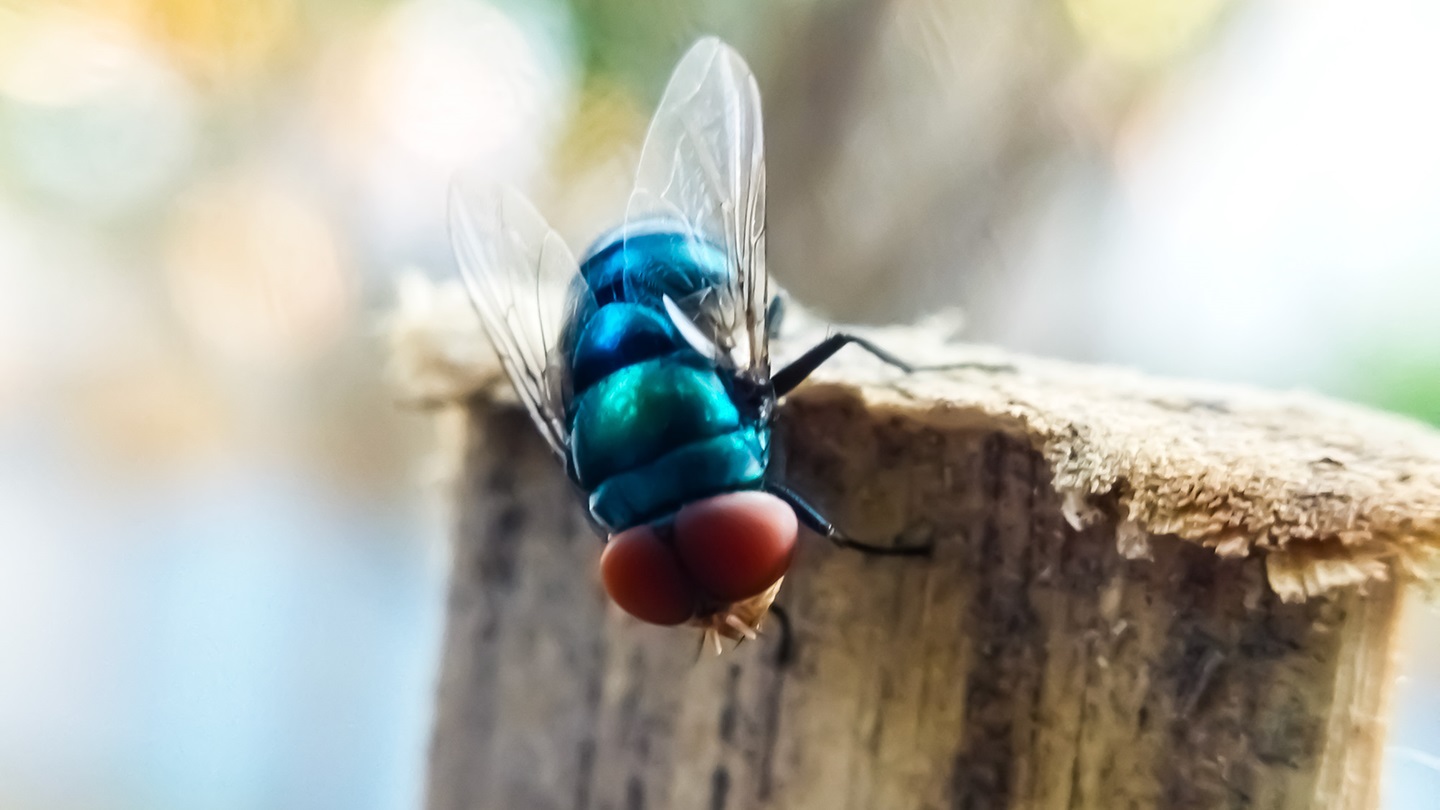
“The screwworm isn’t a worm at all,” says Kirk Ramsey, professional services veterinarian with Neogen. “It’s truly just the larvae form of a species of blow fly. Like any flies, they will lay eggs in an area where their larvae can feed.”
Typically, this group of flies is associated with decaying flesh of dead animals.
“The New World screwworm is a very strange species within this group, as they feed on living tissue exclusively to survive,” says Jonathan Cammack, assistant professor and state extension specialist for livestock entomology and parasitology at Oklahoma State University.
Further explaining why the NWS is a concern, Ramsey adds: “While feeding off of live tissue, they continue to burrow deeper into the flesh, essentially consuming tissue as they move in.” An infestation of NWS can cause extensive damage as they tear into living tissue with sharp mouth hooks and dig deeper into the wound,2 which separates them from other insects.
Old vs. new
Although there is an Old World screwworm, the two are not the same, Cammack says. “The reason it’s called New World is to differentiate this particular species from one that is present on the other side of the world that has a similar habit.”
The two species are very distantly related, and both have evolved this ability, Cammack adds. “This is not a new pest; it’s just their distribution on the planet.”
Impact of NWS
Infestations of NWS were more prominent in Jamaica, Cuba, and across South America until more increasing detections were noted north of its geographical barrier: the Darién Gap in Panama, in 20233. According to the Animal and Plant Health Inspection Service (APHIS), NWS detections in 2023 in Panama specifically, increased from an average of 25 cases per year to more than 6,500 cases in one year.
Producers in the United States are bringing their attention back to this parasite as it travels farther north. Not only can an infection cause economic loss, but the effect NWS can also have on livestock and wildlife is severe and often deadly if not discovered and treated.
Signs of NWS
It takes only a tiny break in the skin to allow an infestation. Looking for evidence NWS may be present can be a challenge, Ramsey explains. “It could be something very, very small, and you wouldn’t even know it was happening because these larvae underneath the skin are eating away at the muscle and tissue below.”
USDA launches Screwworm.gov
In November, the USDA announced the launch of screwworm.gov. The site centralizes New World screwworm (NWS) information available across the federal government and reflects the whole-of-government effort to fight the pest through implementation of Agriculture Secretary Brooke Rollins’ five-pronged plan.
The website has targeted resources for a wide range of stakeholders, including livestock producers, veterinarians, animal health officials, wildlife professionals, healthcare providers, pet owners, researchers, drug manufacturers and the general public. It also has the latest USDA-verified information on cases and response activities in Mexico and U.S. preparedness efforts.
Under Rollins’ leadership, USDA is leading an aggressive, whole-of-government response to protect the nation’s livestock, wildlife and public health from NWS. The U.S. One Health Coordination Unit for NWS — co-led by USDA, the Centers for Disease Control and Prevention, and the Department of the Interior — is actively working to ensure the United States is prepared, should NWS be detected in the United States.
Producers should monitor their animals regularly and be alert for the following signs of NWS:
- irritated behavior;
- head shaking;
- the smell of decay;
- presence of fly larvae (maggots) in wounds
Producers who suspect animals to be infected with NWS should contact their veterinarian.
Controlling NWS
The only effective solution found to control and eradicate NWS is through the release of sterile male flies called the sterile insect technique (SIT).
“Researchers determined this particular species only mates one time throughout their life, and they could sterilize male flies then release them into the environment,” Cammack says. After mating with the sterile male flies, the wild females would lay unfertilized eggs that would not hatch.
The principal of the program was to overload and outnumber the population of wild male flies, so the sterile male flies could be present in the environment to mate with the females instead, Cammack explains. This method, along with implementing a fly control solution, has proven successful in mitigating the effects of NWS.
For producers, the first line of defense against NWS is making sure animals are protected through a fly control program. Utilizing products specifically labeled to treat screwworms can also help control a potential outbreak.
Ramsey recommends applying products labeled to treat screwworms to an open wound, or an area where an open wound would be, to help eliminate flies or fly larvae. Something as small as a scratch from barbed wire or a site where a tick had been feeding can become an entry point for these larvae.
Looking for ways to reduce fly populations in the herd and enforcing a herd management plan, including waste management and nutrition, can play a large part in keeping livestock safe from New World screwworms.
Editor’s note: This article was provided by Neogen. For more information, visit neogen.com and speak with your herd health veterinarian. [Lead photo by Lidya Elfa Sari from Getty Images]
Angus Beef Bulletin EXTRA, Vol. 17, No. 12-A
References:
1New World Screwworm. Animal and Plant Health Inspection Service. https://www.aphis.usda.gov/livestock-poultry-disease/cattle/ticks/screwworm
2New World Screwworm outbreak in Central America and Mexico. Animal and Plant Health Inspection Service. https://www.aphis.usda.gov/livestock-poultry-disease/cattle/ticks/screwworm/outbreak-central-america
3New World Screwworm Fact Sheet. https://agrilifeextension.tamu.edu/new-world-screwworm-fact-sheet/
Topics: Health , Industry News , Policy
Publication: Angus Beef Bulletin
Related Content


Current Angus Beef Bulletin
Our September issue focuses on the females of the herd and the records that validate them.