



Body Condition Scoring Can Be a Useful Tool
Whether evaluating the cow herd or market animals, assessing body condition can help in decision-making.
May 20, 2026
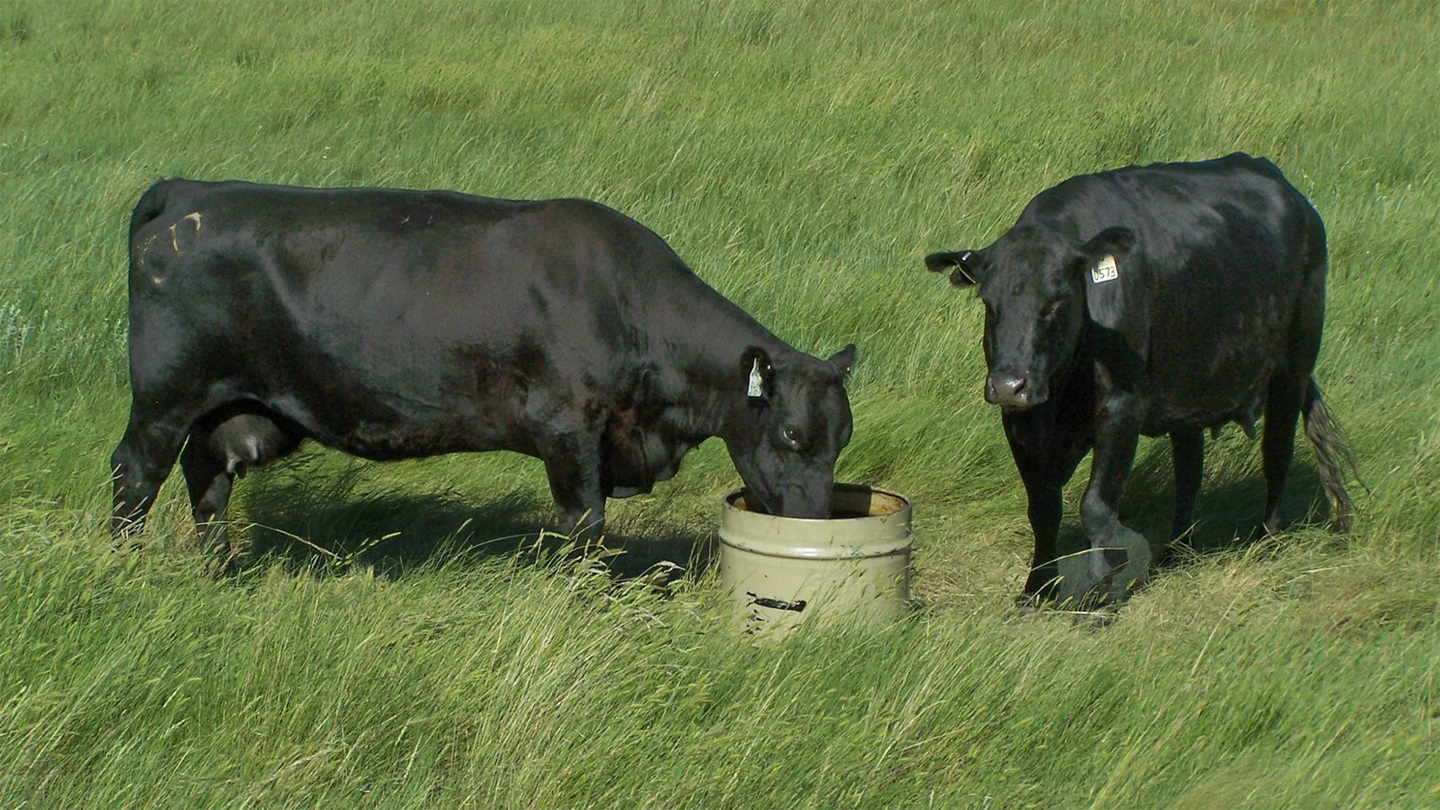
Two cows in good average body condition.

Body condition score (BCS) can be a good tool to monitor animal performance, but it has its limits, said Robert Wells at the recent Applied Nutrition Strategies for Grazing Livestock Lectureship hosted by the King Ranch Institute for Ranch Management (KRIRM) Jan. 15-16, 2026.
Wells, a beef production and livestock specialist and holder of the Paul C. Genho Endowed Chair in Ranch Management at the KRIRM, described a body condition scoring system utilizing a range from 1 to 9, with 1 being emaciated and 9 being obese.
“I’ve actually seen a heifer in body condition score 9,” Wells said. “To go from one end of the pasture to the other, she had a good climb and would have to stop and take a breather just like a portly human would have to do.”
No one wants emaciated cows, because they have fertility and other health issues, he said. But, we don’t want a fat cow either, because that means we’ve spent too much money on feed. There can be health and fertility issues with a BCS 9, as well, so somewhere in between is where we want cattle to be.
“If we take her from a 5 to a 4, we’re losing one body condition score, and may delay that cow 10 weeks in getting rebred. That’s up to a 70% loss in next year’s [calf] weaning weight.” — Robert Wells
BCS translates to backfat on a carcass, Wells pointed out.
“This is what we get paid on if we sell on a grid, or hanging on the rail. With a body condition score 1 or 2, there’s essentially no fat cover. With a score 9, we’re approaching almost three-quarters of an inch of back fat,” he said. “That’s great if you’ve got a feedlot animal getting ready for slaughter, but for a cow out in the pasture, we’ve overshot the runway.”
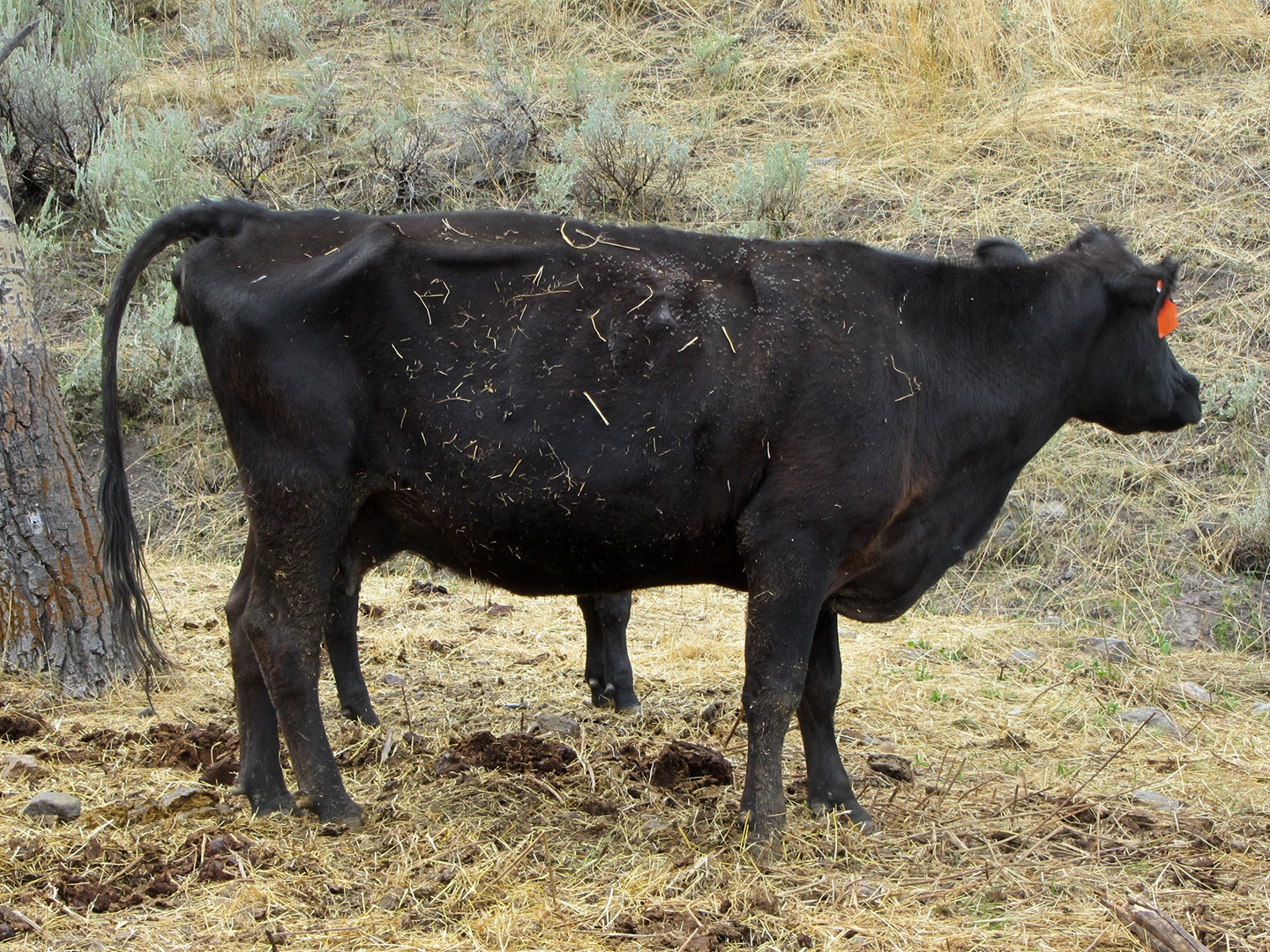
“If we start the winter in low body condition, like a 4, and just maintain her, giving her all the feed we would normally feed for maintenance, but not enough to gain, we’re setting back conception about eight weeks,” said Robert Wells.

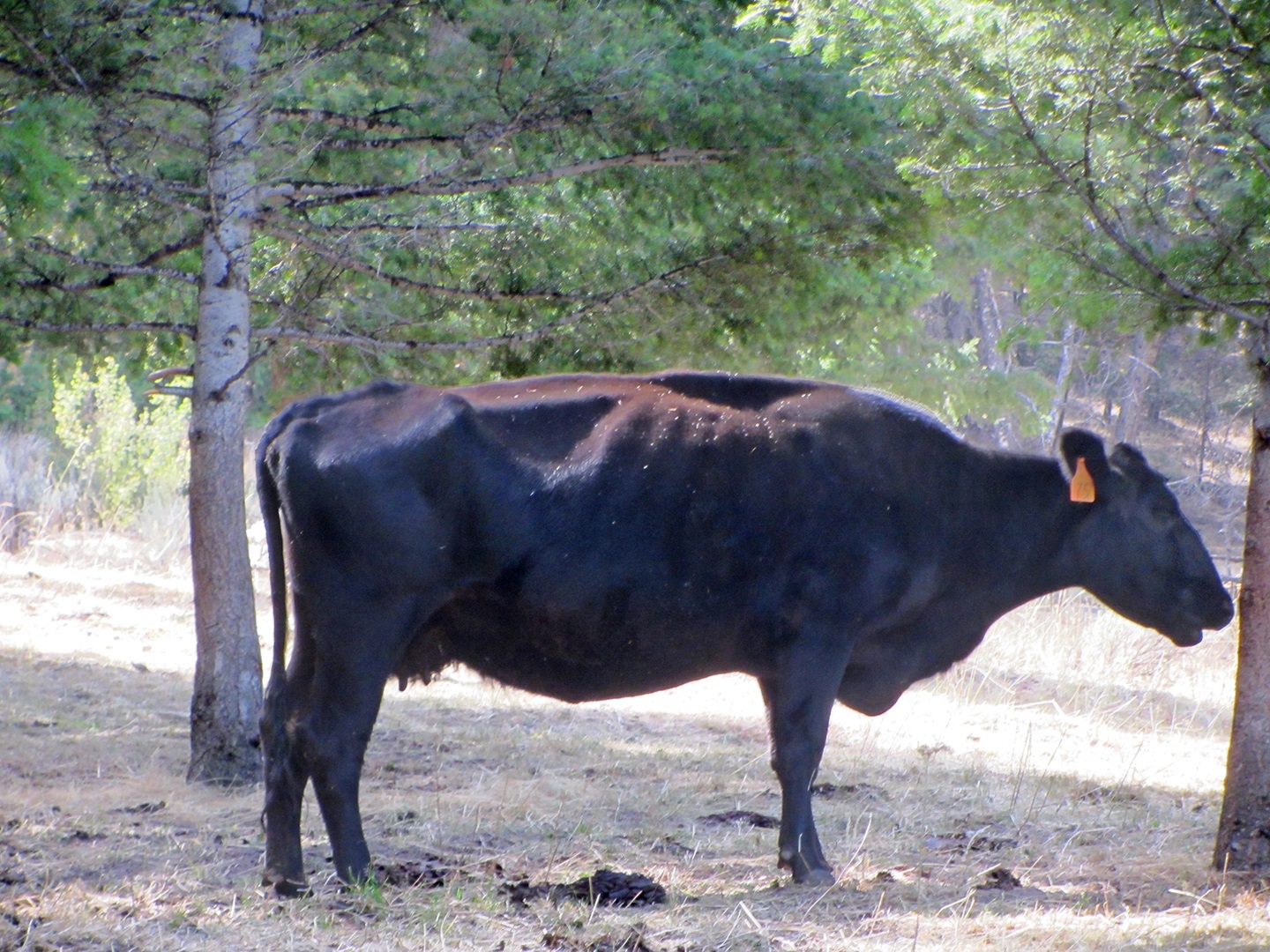
"With a body condition score 1 or 2, there’s essentially no fat cover," said Wells. With brood cows, it is important to think about body condition and whether an animal is losing, maintaining or adding body condition, he noted.

Backfat is an important indicator of total fatness, Wells said, noting some feedlot personnel can look at an animal and tell if it is carrying ½ or ¾ inch of backfat when determining whether an animal is ready to go to harvest.
“This is important because it reduces what we call cold shortening — when we start to see separation of the back fat from the muscle tissue itself,” Wells said. “It starts to pull away, and we start getting cold toughening, making that carcass tougher (because the carcass chills too quickly). We’ve got to have enough backfat — some guys in the industry call it bark — to be able to chill the carcass quickly, but not too quickly. There’s a fine line.”
There is also a relationship with marbling. The more external fat, typically the more marbling, but not always.
Focusing in on the cow
With brood cows, it is important to think about body condition and whether an animal is losing, maintaining or adding body condition, he noted. For instance, if we take a cow from a BCS 5 to a BCS 4, how does that affect our calving intervals and future production?
We can save money on winter feed costs if cows lose a little or we just maintain the BCS of that cow. Yet, the old saying that you can’t starve a profit from a cow is true, Wells emphasized. “If we take her from a 5 to a 4, we’re losing one body condition score, and may delay that cow 10 weeks in getting rebred. That’s up to a 70% loss in next year’s [calf] weaning weight.”
The goal is to have a calf from every cow every year. If we don’t maintain an acceptable body condition, we’re setting ourselves up for a delay in conception.
“If we start the winter in low body condition, like a 4, and just maintain her, giving her all the feed we would normally feed for maintenance, but not enough to gain, we’re setting back conception about eight weeks,” Wells said. “That will be about a 40% loss in next year’s weaning weight. I tell people that when we don’t get body condition score right, and don’t get the nutrition right, it will tell on you for years to come.”
To gain body condition will cost a lot more in feed, but won’t delay conception for the next calf. The cow needs to be on a good nutritional plane, gaining a little weight before and during breeding season. Then she will have the body reserves to support raising a calf every year.
Editor’s note: Heather Smith Thomas is a freelance writer and cattlewoman from Salmon, Idaho. [Photos courtesy of Heather Smith Thomas.]
Angus Beef Bulletin EXTRA, Vol. 18, No. 5-B
Topics: Health , Management , Nutrition
Publication: Angus Beef Bulletin
Related Content


Current Angus Beef Bulletin
Our September issue focuses on the females of the herd and the records that validate them.