Anaplasmosis Continues to Trek North
As ticks continue to spread, tick-borne disease becomes problematic to a greater number of herds. Nebraska shares cautions on anaplasmosis.
November 5, 2025
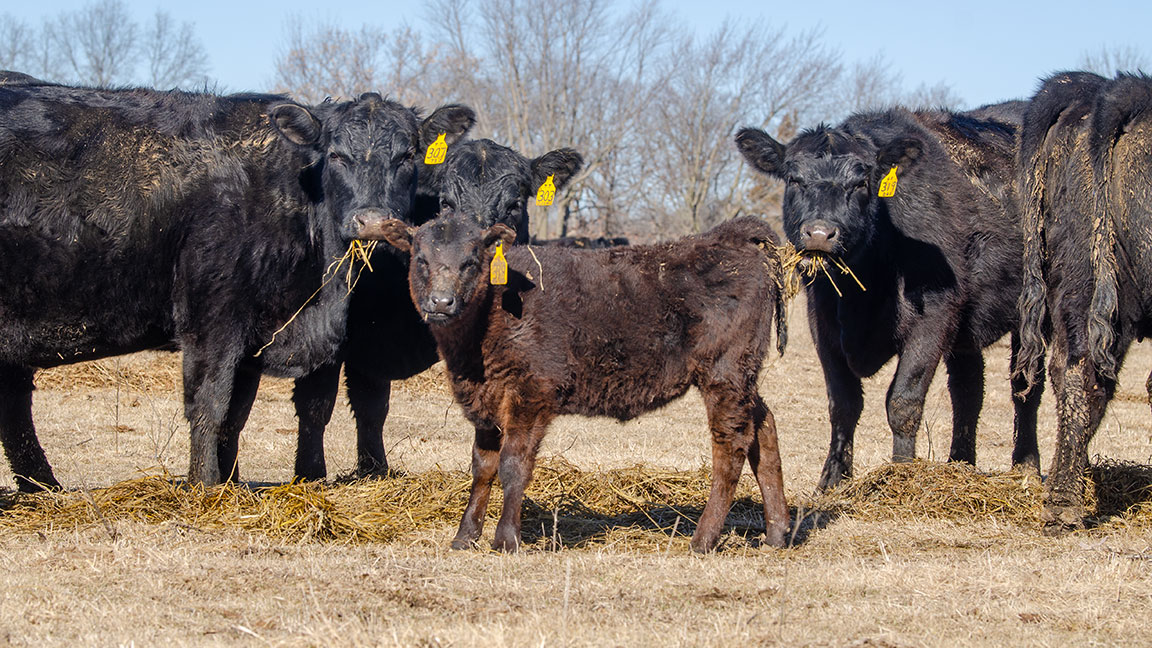
With one unforeseen death in a cow herd, the diagnosis can be difficult. However, if more than one cow in a herd is found dead, check out the clinical signs of anaplasmosis as a possible culprit. [Photo by Shauna Hermel]

by Brian Vander Ley, Bethany Johnston and Matt Hille, University of Nebraska
Determining the cause of death in unexpected losses of adults cows can be challenging. However, anaplasmosis diagnoses are becoming more common in Nebraska, and it is important for producers to be aware of what this disease looks like in affected animals — both those alive and dead.
While anaplasmosis in younger animals isn’t as deadly, older cattle have a higher mortality rate. In young stock (less than 6 months old), infections are usually inapparent or show few or no symptoms. In cattle from 6 months to 2 years old, infections become increasingly severe, but are rarely fatal. In cattle greater than 2 years of age that are infected for the first time, risk of death can approach 50% of cases.
What is anaplasmosis?
Anaplasmosis is a disease caused primarily by Anaplasma marginale, a red blood cell parasite of cattle. This parasite can be transferred through blood, mainly in three ways:
- tick bites;
- from pregnant dam to the calf in utero; and
- mechanical transfer of blood via fly bites, needles used on more than one animal, tattoo equipment, and surgical instruments (castration knives, dehorning equipment, etc.).
Clinical signs of anaplasmosis
Once A. marginale enters the new host animal, animals can remain clinically normal for a week to 60 days during the incubation phase of the infection. Animals in early stages of clinical disease show generalized signs of illness (off-feed, feverish, slow/depressed).
As the number of infected red blood cells climbs and removal of infected red blood cells by the immune system increases in attempt to eliminate the infection, animals begin to show signs of oxygen deprivation, including:
- Excitability, nervousness and, in some cases, aggression.
- Signs of jaundice. The yellow discoloration that gives anaplasmosis one of its nicknames, “yellow bag.” Jaundice is difficult to appreciate in black-hided cattle, but a close look at the whites of a cow’s eyes or the wall of the vagina will show yellow discoloration in cattle with advanced anaplasmosis.
- Pregnant cows with severe anaplasmosis can abort their calves due to the oxygen deprivation (hypoxia) experienced by the growing fetus.
Diagnosis of anaplasmosis
There are several methods available to diagnose A. marginale infections in cattle.
- Blood examination. The most simple and inexpensive is by examining a sample of blood under a microscope for the presence of organisms within the red blood cells. While this method is cheap and easy, it is not very accurate and is only useful in confirming clinical infections.
- Antibody detection. Laboratory tests can be conducted to detect antibodies formed against A. marginale, which provides evidence of exposure.
- Polymerase chain reaction, or PCR. Nucleic acid can be detected using PCR on samples of whole blood or spleen that confirm the infection.
- Postmortem examinations of animals that have died from anaplasmosis usually show yellow discoloration throughout the body and an enlarged spleen.
Treatment of anaplasmosis
Before initiating any treatment plan, be sure to consult your veterinarian to work out the best treatment approach possible.
Injectable oxytetracycline is a useful antibiotic treatment for cases of anaplasmosis. Antibiotics work best when administered early in the course of disease, but detection of clinically ill animals is usually very difficult.
Be aware, in later stages of anaplasmosis, handling excitable or aggressive cattle to administer antibiotics can cause enough stress to kill the animal.
If the cattle affected by advanced anaplasmosis are very valuable, blood transfusions can be considered as part of the therapeutic plan; however, antibiotics are still necessary and life-threatening transfusion reactions are possible.
Traditionally, it was thought that animals could be cleared of the infection with aggressive antibiotic treatments. However, it is now known that most (and likely all) animals with active infections will remain lifelong carriers, regardless of treatment.
Prevention if your herd has anaplasmosis
As mentioned, cattle that become infected and survive will most often develop a lifelong, low-level infection with A. marginale known as the carrier state. A. marginale in carrier animals go through cycles of increased numbers of parasites followed by removal by the immune system. These cycles constantly stimulate the immune system, which usually prevents severe disease.
Unfortunately, it is the carrier animals that then serve as the source of A. marginale for uninfected herdmates.
If an animal in your herd has been diagnosed with anaplasmosis, consider these measures to prevent other animals from becoming infected:
- Change needles between each animal.
- Change sleeves between each animal.
- Disinfect equipment between each animal.
Several tools exist to aid in the prevention of clinical anaplasmosis. Biosecurity is critical to preventing clinical anaplasmosis cases and can be further divided into two categories: bioexclusion and biocontainment.
Bioexclusion describes the strategies used to prevent introduction of new diseases into a group of animals; in other words, the process of keeping things out. For anaplasmosis, bioexclusion entails preventing transmission into your herd by making sure new additions are negative for A. marginale and vectors such as flies that could travel from someone else’s infected herd to yours are controlled to the best of your ability.
Biocontainment describes the strategies used to prevent spread of diseases that already exist within your operation. For anaplasmosis, biocontainment entails changing needles frequently, cleaning and disinfecting surgical equipment, and controlling vectors to the best of your ability. Biocontainment may also require selective culling of cattle that are A. marginale carriers to eliminate them as a source of new infections.
Another tool that is useful in controlling anaplasmosis is antimicrobial therapy. Chlortetracycline fed to cattle has been shown to prevent clinical disease when used appropriately. However, chlortetracycline (CTC) is a veterinary feed directive (VFD) drug, meaning it can only be used with a feed directive issued by your veterinarian. Extra-label use of feed-grade antimicrobials has been illegal for some time, but the veterinary feed directive will certainly increase scrutiny and enforcement pertaining to extra-label use of feed-grade antibiotics.
Finally, passive acclimatization can be used as a tool to manage clinical anaplasmosis. In areas where anaplasmosis is deeply established in both cattle herds and in vector populations, maintaining a negative herd is nearly impossible. By allowing cattle to acclimate by becoming infected early in life (before 6 months of age), clinical disease is limited because young cattle tend to have asymptomatic infections. These cattle go on to become carriers that maintain lifelong infections, but only rarely develop meaningful disease symptoms attributed to anaplasmosis.
Conclusion
Overall, one of the most important tools in a producer’s toolbox is monitoring. By working with your veterinarian to design a surveillance plan, you can base your management strategy on the status of both your herd and your region.
See Table 1 for a set of scenarios and possible control options that may be considered for infected or noninfected areas.
Editor’s note: Brian Vander Ley is a veterinary epidemiologist at the University of Nebraska Great Plains Veterinary Education Center. Bethany Johnston is a Nebraska Extension Educator. Matt Hille is a diagnostic veterinary pathologist and Nebraska Extension specialist.
Angus Beef Bulletin EXTRA, Vol. 17, No. 11-A
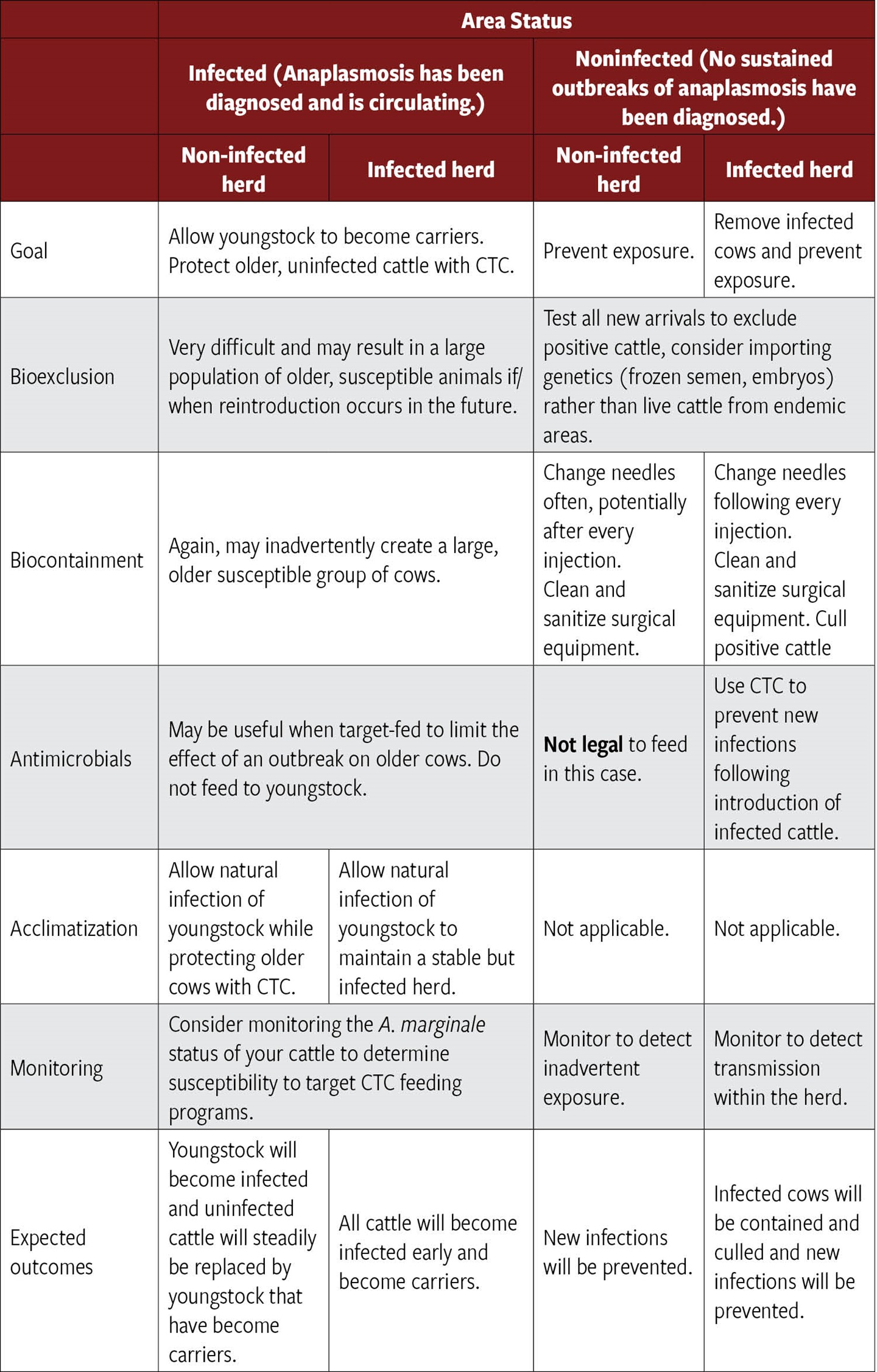
Table 1- Scenarios and possible control options for anaplasmosis-infected and noninfected areas

Topics: Health
Publication: Angus Beef Bulletin
Related Content


Current Angus Beef Bulletin
Our September issue focuses on the females of the herd and the records that validate them.