



From the Field
Notes from your regional managers on marketing and implementing value-added programs.
September 17, 2025
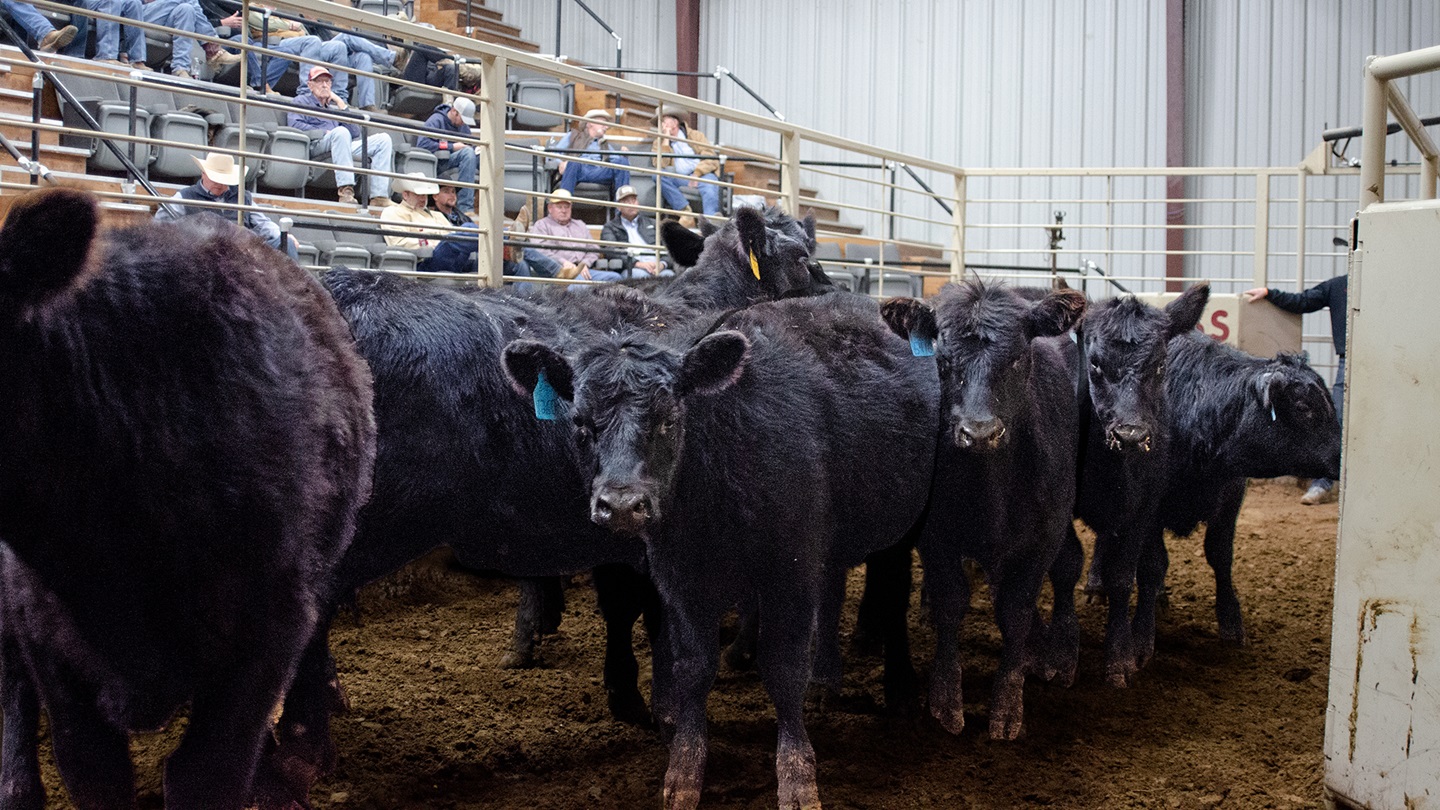

 While the market value of cattle continues to astound, the cattle cycle will inevitably take a turn. With that in mind, there is no time like the present to revisit the fundamentals of both your marketing plan and adding value to your cattle.
In this month’s edition of “From the Field,” we visited with regional managers (RMs) Quanah Gardiner and Kurt Kangas to discuss the role of a marketing plan for each individual operation, as well as why value-added programs are beneficial regardless of where the cycle sits.
Market planning
To develop a marketing plan, producers need to know which direction they want to head. That may seem like an easy decision to make, but all the options and noise in the current marketplace give producers a lot to consider.
The simplest way to eat an elephant? One bite at a time. Producers can do just that by considering their end goal, says Gardiner, Region 12.
“What’s the end game? What’s the end point for these cattle in terms of where they are being delivered? Are they selling at weaning? Are they selling on a forward contract on a video? Or are you retaining ownership all the way?” questions Gardiner. “What’s the end point in your cycle with these cattle?”
Once that end point is identified, the next step is deciding when and where it makes sense to sell your cattle.
With the current state of cattle prices, it would be tempting to wean early and push cattle to market. Cattlemen choosing this route can take advantage of the existing cattle market, says Kurt Kangas, Region 10, but consistency also rewards.
While he doesn’t begrudge somebody that success, moving when you market your cattle often hinders consistency.
“Our cattle numbers are short, and so it’s a good year. You could move and probably not feel that because there’s just not enough cattle for the buyers,” notes Kangas. “But having a plan is crucial.”
Would you like some advice to help you calibrate your marketing plan? One of the great tools Angus producers have at their fingertips is their regional manager.
Regional managers offer free access to market knowledge from someone who is willing to learn what is happening within your operation, says Gardiner.
“No one is going to understand the bull battery or the role you play in the cattle cycle better,” he stresses.
Nickels and dimes
With the current market for feeder cattle, producers might not see the harm in foregoing value-added programs in the interest of getting cattle out to the public and sold.
The trouble is that no matter how high our current market rises, it will eventually fall. When that happens, you want to bring in the highest value possible.
“Value-added programs are there to help you,” says Gardiner, noting that program cattle are always going to succeed. “Whether you’re in a good market or a bad market, you want to be in that value-added system because you want to be in the high of the low market or the high of the high market.”
How can you set your cattle up for value-added success? Make sure they’re vaccinated and enrolled in AngusLinkSM.
“This was one of those years that we were [really] curious to see what those premiums would be, and they were roughly where they hang every year at $20 to $23 per hundredweight (cwt.) on the program cattle,” Kangas shares. “If you’ve got all the bells and whistles, there is sure still a market out there for those cattle.”
Kangas also shares that AngusLink cattle have done very well this summer, earning anywhere from $12 to $16 per cwt. more for animals enrolled in the program.
While the decision to participate comes down to the comfort level of commercial producers and the bandwidth they can devote to enrolling in the program, ultimately AngusLink cattle paid well.
More food for thought comes when considering that additional value can be built upon reputation.
The cattle industry isn’t nearly as large as some would have the public believe, and an investment in genetics can also add value.
“If you’re selling cattle in a sale barn or a video sale, proven genetics are a value-added program,” Gardiner notes. “If buyers know those cattle are going to perform better than the average feeder calf, that is value added. Adding value — either through programs, genetics or both — is accessible to everybody, and that is exciting.”
Editor’s note: “From the Field” is a regular Angus Beef Bulletin EXTRA column featuring advice, industry news and Angus updates from regional managers of the American Angus Association. For information on how to contact your regional manager, click here.
Editor's note: [Lead photo by Lynsey McAnally.]
Angus Beef Bulletin EXTRA, Vol. 17, No. 9-B
Topics: Business , EPDs , Genetics , Marketing , Management
Publication: Angus Beef Bulletin
Related Content



Current Angus Beef Bulletin
Our November issue focuses on the females of the herd and the records that validate them.