



USDA Announces Phased Reopening of Southern Ports
APHIS experts evaluated Mexican response to New World screwworm and found livestock trade can begin.
July 2, 2025
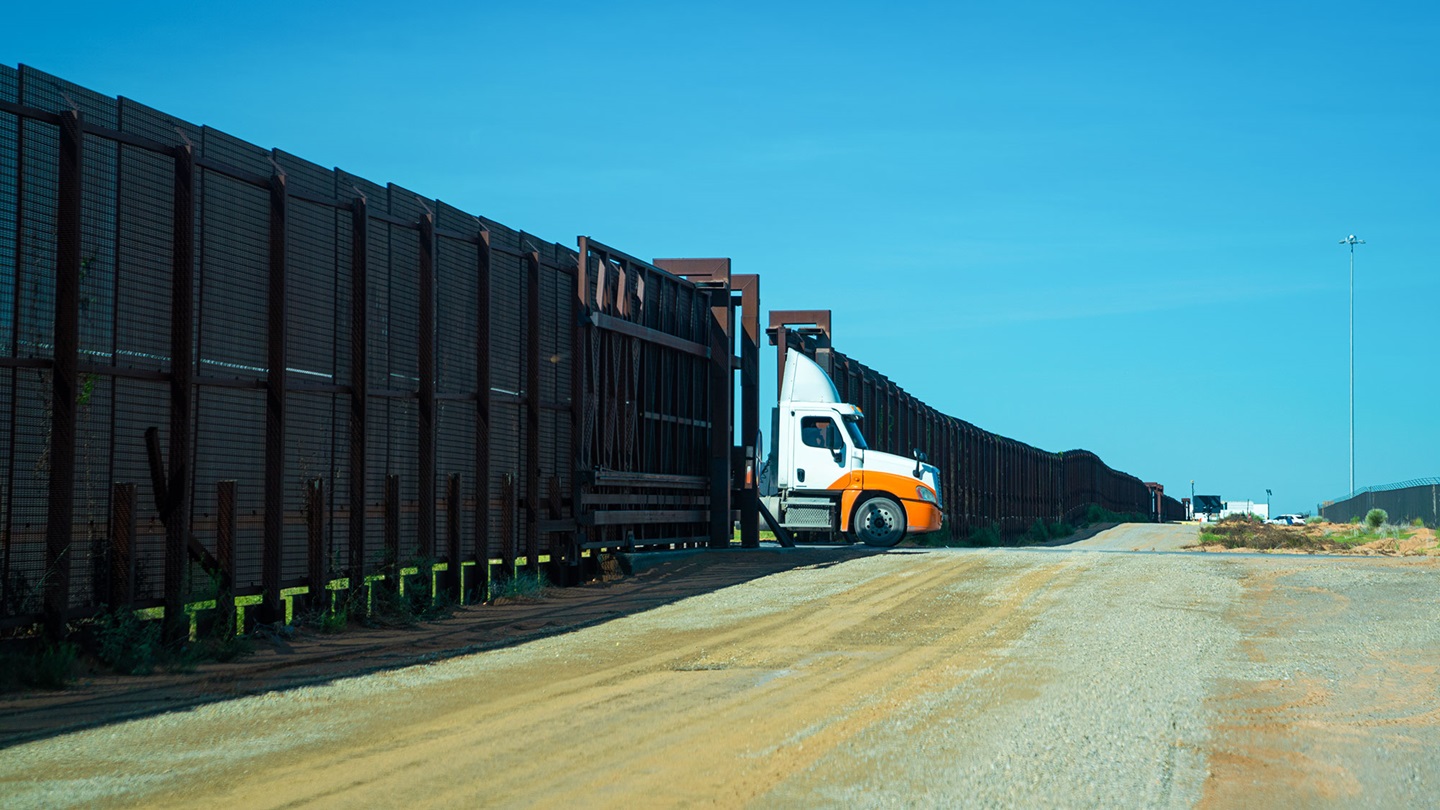

U.S. Secretary of Agriculture Brooke Rollins recently announced risk-based port reopenings for cattle, bison and equines from Mexico beginning as early as July 7, 2025. The USDA, following extensive collaboration between USDA Animal and Plant Health Inspection Service (APHIS) experts and their counterparts in Mexico to increase New World screwworm (NWS) surveillance, detection and eradication efforts, is set to begin a phased reopening of the southern ports starting with Douglas, Ariz.
NWS status update
Progress has been made in several critical areas since the ports were closed on May 11, 2025, including resolution of challenges with conducting flights in Mexico that has allowed teams to consistently conduct sterile NWS fly dispersal seven days each week and dispersal of more than 100 million flies each week. USDA also sent five teams of APHIS staff to visit/observe and gain a deeper understanding of Mexico’s NWS response and allowed teams the opportunity to share feedback. USDA has not seen a notable increase in reported NWS cases in Mexico, nor any northward movement of NWS during the past eight weeks.
“At USDA we are focused on fighting the New World screwworm’s advancement in Mexico. We have made good progress with our counterparts in Mexico to increase vital pest surveillance efforts and have boosted sterile fly dispersal efforts. These quick actions by the Trump administration have improved the conditions to allow the phased reopening of select ports on the southern border to livestock trade,” said Secretary Rollins. “We are continuing our posture of increased vigilance, and [we] will not rest until we are sure this devastating pest will not harm American ranchers.”
Port reopening timeline
While the Douglas, Ariz., port presents the lowest risk based upon the geography of Sonora and a long history of effective collaboration between APHIS and Sonora on animal health issues, USDA intends to reopen additional ports in New Mexico, and — if it is proven safe to do so — in Texas, during the coming weeks. Additional port openings will be based on APHIS’ continuous reevaluation of the number of cases and potential northward movement of NWS, Mexico’s continued efforts to curb illegal animal movements, and implementation of further rigorous inspection and treatment protocols.
The projected timeline for port reopenings is:
- Douglas, Ariz. — July 7
- Columbus, N.M. — July 14
- Santa Teresa, N.M. — July 21
- Del Rio, Texas — Aug. 18
- Laredo, Texas — Sept. 15
After each reopening USDA will evaluate to ensure no adverse effects arise.
USDA is working with Mexico’s National Department of Health, Food Safety and Food Quality (SENASICA) on outreach, education and training efforts to raise awareness and put producers on high alert about NWS, along with utilizing their well-functioning central laboratory for diagnosing cases. While Mexico has made great progress on animal movement controls and surveillance, additional progress will help ensure the remaining U.S. ports reopen. Enhanced animal movement controls to stem illegal animal movements from the south, along with robust surveillance and NWS risk mitigations beyond checkpoints will be critical in pushing back NWS. APHIS technical teams continue to engage with SENASICA to improve the overall NWS posture in Mexico and implement the rigorous steps needed to keep this pest away from our border.
Mexico will also begin renovation of its sterile fruit fly facility in Metapa this week, with renovation expected to be completed by July 2026. Renovation of this facility will allow for production of between 60-100 million sterile NWS flies each week. This is a critical step toward reaching the goal of producing the estimated 400-500 million flies each week needed to reestablish the NWS barrier at the Darien Gap.
Importation guidelines
To ensure that we safely proceed with allowing for movement of animals across the border, only cattle and bison, born and raised in Sonora or Chihuahua, or that are treated according to cattle and bison NWS protocol when entering these states will be eligible for import. See USDA APHIS | Importing Live Cattle and Bison From Mexico to the United States for more information on cattle and bison import requirements. In addition, reopening the Del Rio (Aug. 18) and Colombia Bridge (Sept. 15) ports will be contingent on Coahuila and Nuevo Leon adopting the same NWS protocols for cattle and bison as those now required of Sonora and Chihuahua for cattle or bison entering those states.
Equines may import from anywhere in Mexico. They require a seven-day quarantine at the port of entry and must import in accordance with the equine NWS protocol and other requirements detailed on USDA APHIS | Importing Live Equines and Equine Germplasm into the United States webpage. Approved equine facilities are available at the Santa Teresa, N.M., port and will be available for entry of horses when that port is reopened.
“NCBA and our state affiliates have spent months working with USDA to safeguard the U.S. cattle industry from the threat of New World screwworm. We strongly support USDA’s five-pronged plan to fight the screwworm, which includes bolstering sterile fly production by renovating a facility in Metapa, Mexico, and by building a new fly dispersal facility at Moore Air Base in south Texas,” said National Cattlemen’s Beef Association CEO Colin Woodall. “[This] announcement to reopen key ports of entry is a measured, thoughtful approach by Secretary Rollins to allow some trade while also ensuring the American cattle industry is protected from this pest.”
In May 2025, USDA suspended imports of live cattle, bison, and equines from Mexico into the United States due to the continued and rapid northward spread of NWS. During the weeks of June 2 and June 16, teams of APHIS experts conducted robust onsite assessments of Mexico’s NWS response efforts to fully reassess the risk of NWS incursions to the United States posed by importation of Mexican cattle across our southern border.
Editor’s note: This article compiled from news releases provided by USDA APHIS and the NCBA. [Lead photo by ThePalmer from Getty Images.]
Angus Beef Bulletin EXTRA, Vol. 17, No. 7-A
Topics: Health , Business , Industry News , News , Policy
Publication: Angus Beef Bulletin
Related Content


Current Angus Beef Bulletin
Our November issue focuses on the females of the herd and the records that validate them.