




Summer Pneumonia in Calves
Study looks for factors that might put calves at risk for viral and bacterial infections causing pneumonia.
April 3, 2023
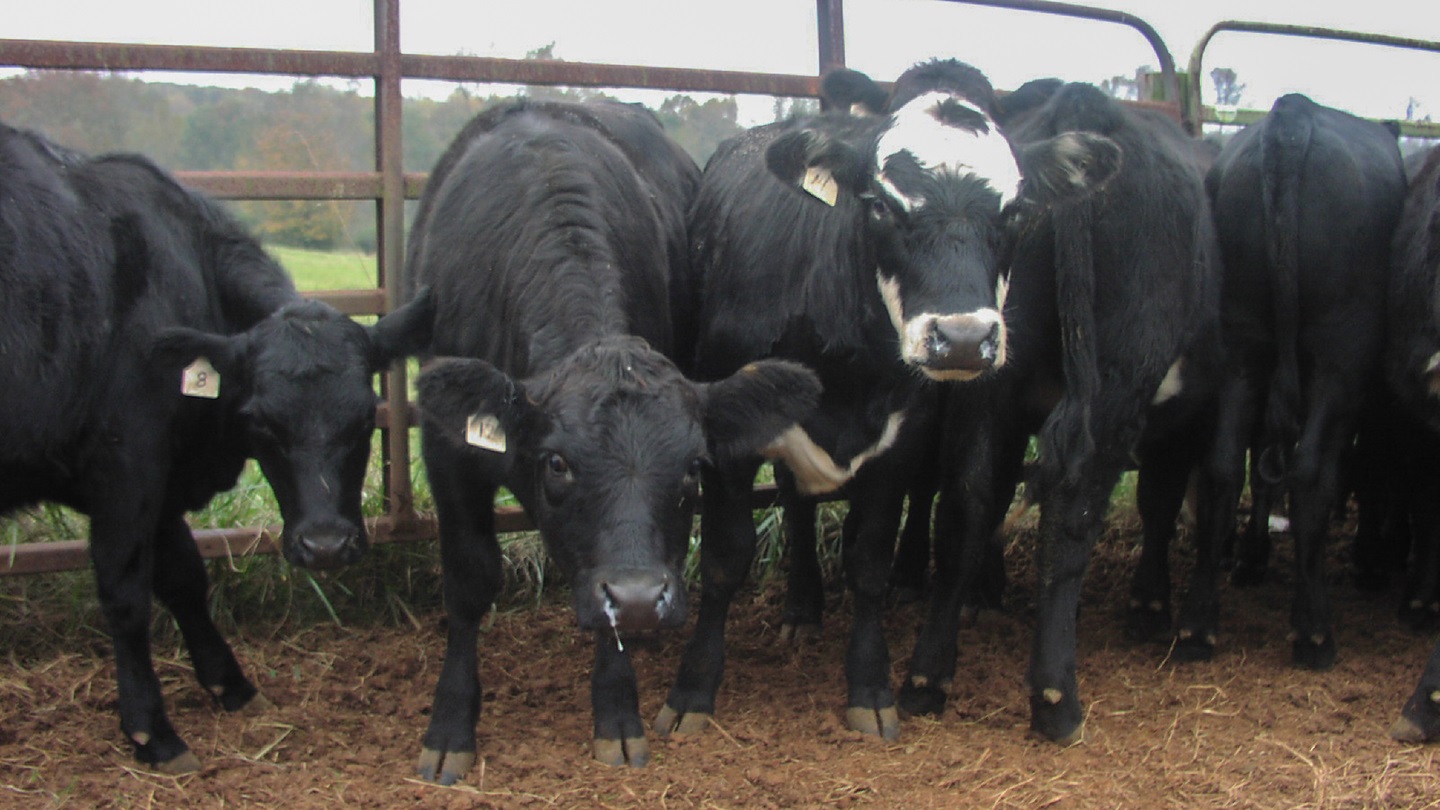

Pneumonia can affect calves of any age. Most of the bacterial pathogens that cause pneumonia are always present in the calf’s upper respiratory tract. They become a problem in the lungs when immune defenses are compromised, such as by viral infections or stress. One of the frustrating respiratory infections in nursing-age calves is called summer pneumonia.
“Preweaning pneumonia in beef calves is a condition we’re still trying to understand,” says Russ Daly, extension veterinarian and professor at South Dakota State University. Identifying risk factors has been frustrating.
Daly was part of a multistate case-control study in 2012-2013, looking at herds that experienced a significant amount of preweaning pneumonia compared with nearby herds that had not experienced problems. He has continued to study this problem.
“There’s not much new knowledge, but we’ve reinforced some of the things we discovered earlier,” he shares. “Different ages of calves probably have different risk factors. Calves only 1 or 2 months old may not have had good enough (or adequate amount of) colostrum to protect them from early infections.”
Older calves on pasture with their mothers have a normal drop in colostral antibodies, he says. “This may make the whole group more susceptible to pneumonia at once, and there may be other factors we are not aware of.”
“Most cases of pneumonia are bacterial by the time we see them. Primary viral infections like BRSV or bovine respiratory coronavirus simply set up those calves for a bacterial infection.” — Russ Daly
What calves have had — or not had — in terms of vaccines can make a difference in when calves break with pneumonia and its severity.
Every ranch is different. Some producers never see calf pneumonia; others see cases sporadically and not every year. It is hard to identify herds that might have problems.
Large groups, when they all lose their maternal antibodies at once, may see more cases — with more possibility for calves to be colonized with pathogens, Daly says. “We sometimes see more preweaning pneumonia in the better-managed herds, on farms and ranches that do a really good job with vaccinating and looking after their calves, detecting and treating the sick ones.”
Daly admits that’s counterintuitive.
“You’d think producers who don’t vaccinate or pay close attention to their cattle on pasture would have more problems; but, that’s not always the case,” he continues. “It may be that in some of the intensively managed herds, the producers are detecting problems because they are examining their animals more often or more closely. In other herds the sick ones might not be detected, possibly to recover on their own without treatment.”
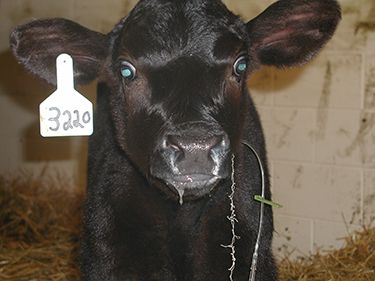
Seromucoid discharge.

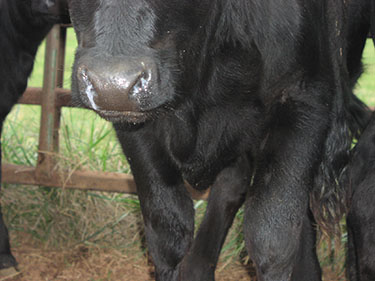
Snotty nose.

There’s generally not much death loss with preweaning pneumonia. Calves often respond well to appropriate antibiotic treatment, and some may recover without treatment.
The fact that antibiotic treatment is helpful indicates the infection is bacterial or an initial viral infection that was complicated by secondary bacterial invaders.
“Most cases of pneumonia (regardless of age of animal) are bacterial by the time we see them. Primary viral infections like BRSV (bovine respiratory syncytial virus) or bovine respiratory coronavirus simply set up those calves for a bacterial infection,” Daly explains. “Just having a good viral vaccine program in place at pasture turnout is not enough to completely protect calves. We still see disease breaks. Protecting against respiratory virus and bacterial infections is not the full picture for every herd.”
Stimulating the calf’s immune system as early as possible makes sense, for example, at pasture turnout. However, this often means vaccinating a very young calf, which may not work well.
The immune system of calves less than a month old is immature, Daly adds. “Their immune system machinery usually isn’t geared up yet to mount good response. Giving vaccine isn’t harmful, but you don’t get the bang for your buck that it gives older calves.”
It is helpful to minimize young calves’ exposure to other populations of cattle, like stockers or feedlot cattle along a fenceline, or neighbors’ herds, Daly says. “If we can limit those interactions and not bring new animals into a herd without keeping them separate for a while, this may be beneficial.”
Herds mingling on rangeland may be a risk. One herd may expose the other to something that doesn’t affect the source cattle, but the naïve cattle are susceptible.
There may be genetic differences in the calves’ ability to mount an immune response. Risk factors may differ from farm to farm and group to group. A year with bad weather or a hot, dry, dusty period in late summer may put calves at risk.
“Dust clogs the natural defenses of windpipe and lungs, making the calf more vulnerable,” Daly explains. “We are still trying to understand weather stresses and how they might play into this.”
Changeable weather, such as multiple hot days and cold nights, coupled with dusty conditions might be a factor, Daly says. “Extreme swings in temperature tend to allow pathogens to thrive in the nasal passages.”
Editor’s note: Heather Smith Thomas is a freelance writer and a cattlewoman from Salmon, Idaho.
Angus Beef Bulletin EXTRA, Vol. 15, No 7-B
Topics: Animal Handling , Equipment / Facilities , Health
Publication: Angus Beef Bulletin
Related Content


Current Angus Beef Bulletin
Our September issue focuses on the females of the herd and the records that validate them.